
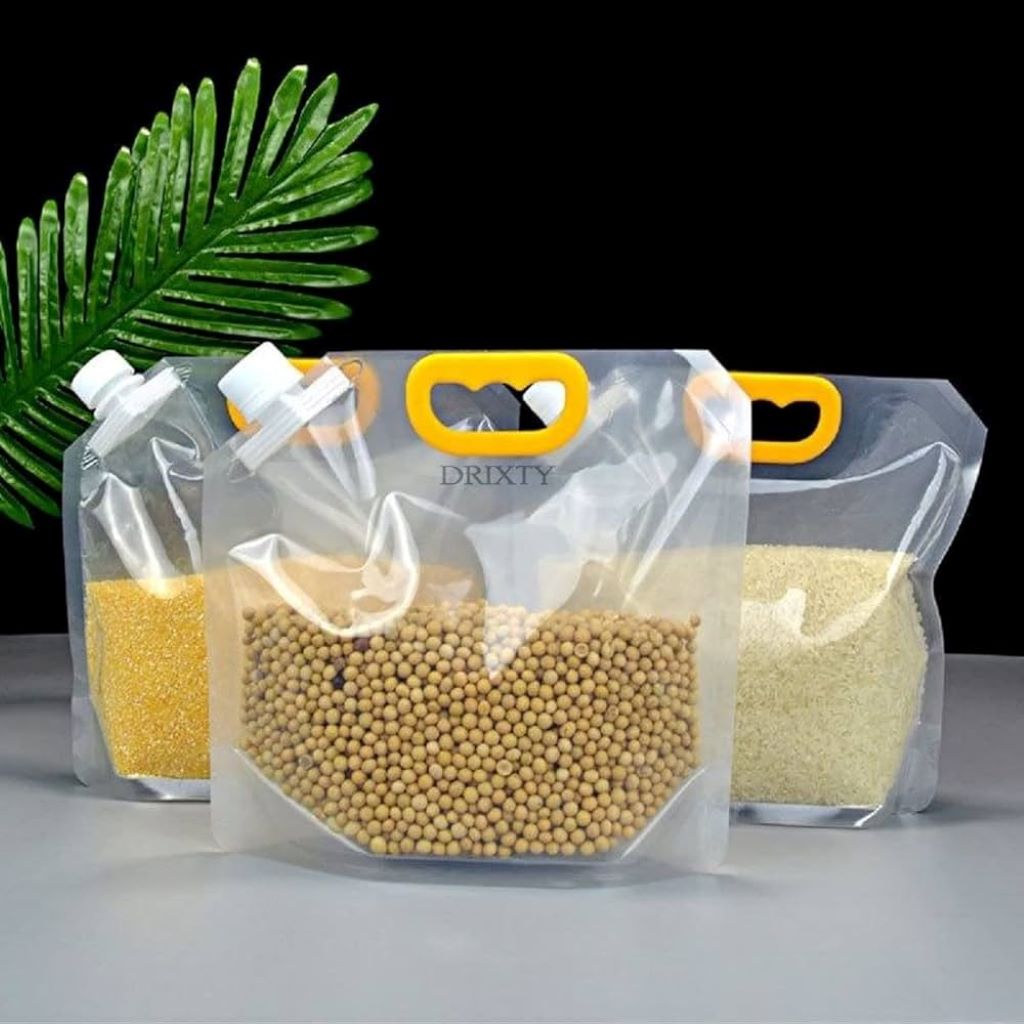
Food preservation is a challenge as old as agriculture itself. Whether you are a farmer trying to protect a harvest or a homeowner trying to make groceries last, the enemies are the same: moisture, pests, oxygen, and time. We spend billions of dollars on storage solutions, yet food waste remains a massive problem. However, a technology perfected for large-scale agriculture is now the answer for modern home kitchens. This technology is hermetic storage. These advanced, airtight bags are changing how we store everything from grains to garden produce. This technology, once reserved for large-scale farms, is now accessible to homeowners, with pioneers like Houston Bamboo House offering solutions that revolutionize home food preservation.
While traditionally known as “grain bags,” the science behind this storage is remarkably versatile. The primary function of a hermetic bag is to create a completely sealed, gas-proof environment. For farmers, this means sealing grain away so that any trapped insects or microorganisms use up the limited oxygen and die, protecting the crop without chemicals. This same principle of total atmospheric control is what makes them revolutionary for other uses. While many associate these bags strictly with crops, a growing number of savvy homeowners are discovering the benefits of using hermetic bags for freezing fruits and vegetables, capitalizing on the same air-tight technology to preserve garden freshness.
What Makes a Storage Bag “Hermetic”?
The word “hermetic” means completely sealed against air or gas. It is a significant step up from standard “airtight” or “zipper” bags. A regular plastic bag, even one for the freezer, is still permeable. Over time, oxygen molecules can pass through the plastic, and the seal itself is rarely perfect. This is why food in the freezer eventually gets freezer burn and dry goods in the pantry can still go stale.
A true hermetic bag, however, is built differently.
- High-Barrier Materials: They are typically made from multiple layers of specialized, non-porous plastics. These materials have a very low Oxygen Transmission Rate (OTR), meaning they form a near-perfect barrier against gasses.
- Gas-Proof Seals: The closure is the second critical component. This might be a heavy-duty, multi-track zipper that locks together, or it may be a bag designed to be heat-sealed.
When you seal a hermetic bag, the environment inside is isolated. For dry goods like grain, any living thing (like weevil eggs or larvae) will consume the available oxygen. Once the oxygen level drops below about 5%, they suffocate and die, effectively sterilizing the contents. This is the ultimate chemical-free fumigation.
The Best-Kept Secret: Hermetic Bags for Freezing Fruits and Vegetables
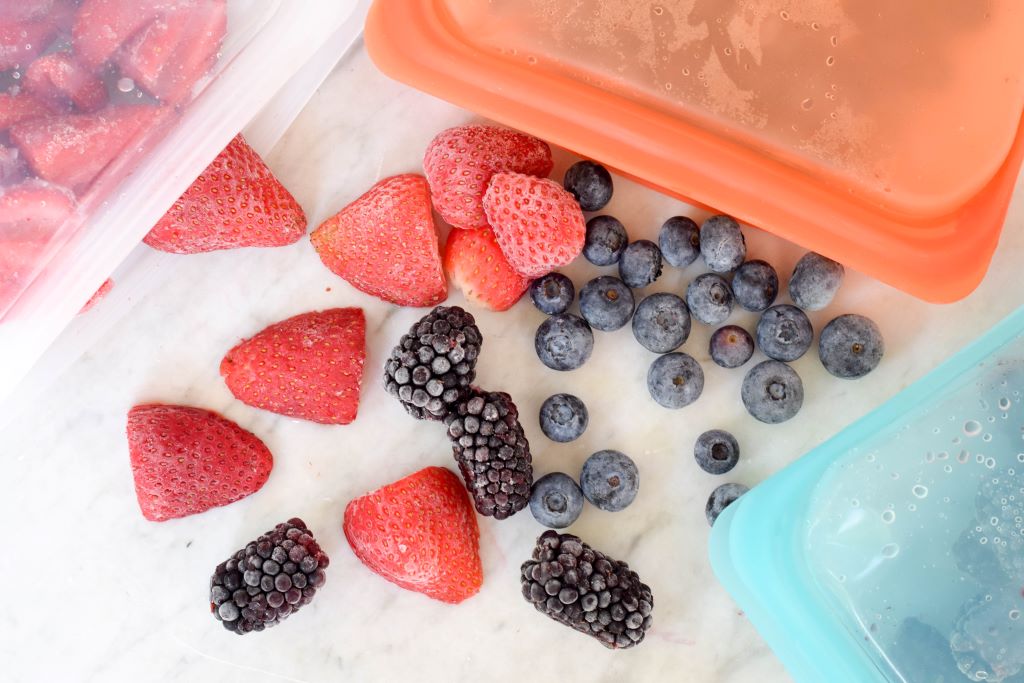
This is where the technology truly shines for the average household. The number one enemy of frozen food quality is freezer burn. Freezer burn is not a “burn” at all; it is dehydration. It happens when air comes into contact with the food’s surface, causing moisture to sublimate (turn from ice directly into gas), leaving the food dry, tough, and covered in ice crystals.
Standard freezer bags fail over time. Their permeable plastic and imperfect seals inevitably let air in. Hermetic bags for freezing fruits and vegetables solve this problem completely.
The End of Freezer Burn
By using a bag with a true gas barrier, you eliminate air exposure. The moisture in your fruits and vegetables has nowhere to go. As a result, food remains hydrated, fresh, and free from the damaging effects of freezer burn. You can store your garden harvest for a year or more, and it will emerge tasting almost as fresh as the day it was picked.
Preserving Nutrients and Flavor
Oxygen is not just a problem for texture; it also degrades quality. This process is called oxidation. Oxidation robs food of its flavor, color, and vital nutrients, particularly vitamins A, C, and E. Because hermetic bags block oxygen, they stop oxidation in its tracks. Your frozen broccoli stays bright green, and your peaches retain their vibrant color and, more importantly, their nutritional value.
Preventing Odor Contamination
A freezer can be a crowded place. Unfortunately, many plastics absorb and transfer odors. This is why ice cubes can sometimes taste like the fish frozen on the shelf below. The high-barrier materials in hermetic bags are non-porous and non-absorbent. They lock odors in, so your frozen garlic puree will not affect your frozen strawberries, and vice-versa.
A Practical Guide to Freezing with Hermetic Bags
Using hermetic bags for freezing fruits and vegetables is simple, but following a few steps will guarantee the best results.
- Prepare Your Produce: Always start with fresh, high-quality produce. Wash and dry it thoroughly. Excess water will turn into ice crystals, which can damage the food’s cellular structure.
- Blanch Your Vegetables: This is a non-negotiable step for most vegetables. Blanching (a quick dip in boiling water followed by an ice bath) stops the enzyme action that causes loss of flavor, color, and texture. The hermetic bag cannot stop these enzymes, so you must do it beforehand.
- Pre-Freeze (Optional but Recommended): For items like berries, sliced peaches, or chopped onions, spread them in a single layer on a baking sheet. Freeze them solid for a few hours. This is called “tray freezing.” It prevents them from clumping into a solid block inside the bag.
- Pack the Bag: Once your produce is prepared and pre-frozen, transfer it to the hermetic bag. Do not overfill it; leave a few inches of headspace at the top.
- Remove Air and Seal: This is the most important part. You must remove as much air as possible before sealing. You can do this by pressing the air out manually. A popular method is water displacement: fill a sink or large pot with water. As you slowly lower the open bag (filled with food) into the water, the water pressure will force the air out. Once the air is out, seal the bag just above the waterline. Ensure the zipper is fully locked, or use a heat sealer if the bag requires it.
- Label and Freeze: Label the bag with the contents and the date, then place it flat in your freezer.
The Original Purpose: Protecting Grains and Dry Goods
Of course, hermetic bags are still the gold standard for their original purpose: long-term dry storage. Anyone who buys rice, beans, pasta, flour, or oats in bulk can benefit.
In the pantry, the enemies are insects and moisture.
- Pest Protection: Weevils and pantry moths are often already present as microscopic eggs in flour or rice when you buy it. In a normal container, they hatch and infest your food. In a hermetic bag, they may hatch, but they will quickly suffocate and die before they can reproduce.
- Moisture Protection: Hermetic bags prevent moisture from getting in, which stops clumping and, more importantly, prevents the growth of molds and fungi. This includes dangerous mycotoxins like aflatoxin, which can grow on damp grains.
For long-term storage, the process is even simpler than freezing. Just fill the bag with your dry goods, press out the excess air, and seal it shut. Stored in a cool, dark place, your grains can last for many years, remaining as fresh and safe as the day you bought them.
Other Smart Uses for Hermetic Storage
The utility of these bags does not end with the pantry and freezer. Any time you need to protect something from oxygen or moisture, a hermetic bag is the perfect tool.
- Coffee and Tea: Oxygen is the number one enemy of fresh roasted coffee. Storing beans in a hermetic bag preserves the volatile oils and complex flavors far longer than the original packaging.
- Garden Seeds: Keep your leftover seeds viable for next season by sealing them away from humidity, which can cause them to sprout or rot.
- Important Documents: Create a 100% waterproof and air-proof vault for birth certificates, passports, photos, and other irreplaceable paper goods.
- Electronics and Ammo: In humid climates, storing sensitive electronics, batteries, or ammunition in hermetic bags prevents corrosion and water damage.
Conclusion: A Single Solution for Total Preservation
Hermetic storage technology represents a fundamental shift in how we think about food preservation. These bags are not just another plastic container. They are individual, controlled-atmosphere chambers that actively protect their contents.
They evolved from a large-scale agricultural necessity into an indispensable tool for the modern home and provide a chemical-free way to protect dry goods from pests and mold. Furthermore, they offer a superior solution for long-term freezing, effectively eliminating freezer burn and locking in the nutrition and flavor of fresh produce. By investing in hermetic bags, you save money, dramatically reduce food waste, and ensure that the food you store is as good, safe, and nutritious as the day you sealed it.
Frequently Asked Questions (FAQs)
-
Can I reuse hermetic bags?
It depends on the type. Bags that use a heavy-duty zipper seal can often be washed carefully and reused, as long as the seal itself is not damaged. Bags that require a heat seal are generally single-use, as you typically have to cut them open.
-
How are hermetic bags different from vacuum-sealer bags?
They work on different principles. A vacuum sealer physically sucks all the air out. A hermetic bag uses a gas-proof barrier to block air from getting in or out. For freezing, both are excellent at preventing freezer burn. For dry goods with potential pests (like grain), a hermetic bag is often better because it uses the pests’ own respiration to deplete the oxygen and kill them, which a vacuum sealer cannot do as effectively.
-
Are hermetic bags safe for food?
Yes, as long as you purchase from a reputable source. Look for bags that are explicitly labeled as “food-grade,” “BPA-free,” and made from materials approved by the FDA or equivalent governing bodies.
-
Do I still need to blanch vegetables before freezing in a hermetic bag?
Yes, you must. Blanching stops the natural enzyme activity within the vegetable. These enzymes can survive freezing and will continue to degrade the food’s texture and flavor over time. The hermetic bag stops external factors (oxygen, moisture loss), but it cannot stop these internal enzymes.
-
How long can I really store grain in a hermetic bag?
If the grain is properly dried (below 12% moisture content) and the bag is sealed correctly in a cool, dark place, the grain can remain protected from pests and moisture for many years. Some tests show rice and wheat can be stored for 10 years or more.
Related Topics:
Eco-Friendly Countertop Materials: Building a Sustainable Kitchen with Style
Can Kitchen Exhaust Be Recirculating? Your Guide to Cleaner Air