
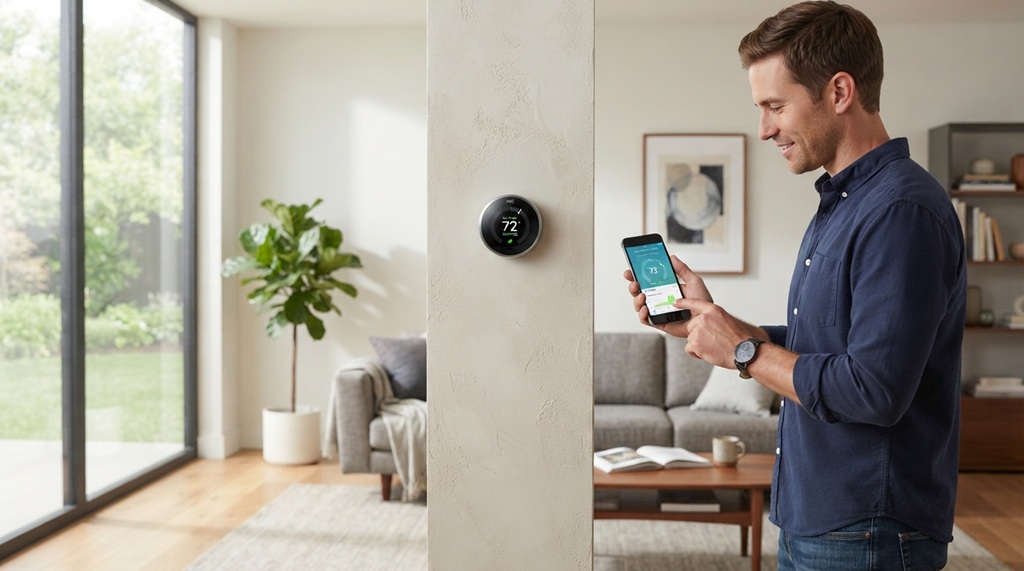
Smart home resources lower your bills by automating the small decisions that waste energy every day. A smart thermostat learns your schedule and stops heating an empty house. Smart plugs cut power to devices that drain electricity even when they’re “off.” Together, these tools turn guesswork into control, and control saves money.
Most households lose money on energy they never actually use. You leave lights on in empty rooms. Your AC runs while you’re at work. Your water heater keeps a full tank hot all night, even though nobody needs it. Smart home devices fix these habits without asking you to think about them constantly.
This guide breaks down exactly which smart home resources save the most money, how much you can realistically expect to save, and how to set everything up without wasting cash on gadgets you don’t need.
Smart Thermostats Cut Heating and Cooling Costs
Smart thermostats save money by adjusting temperature automatically based on your actual schedule, not a fixed timer. Heating and cooling make up a large share of most home energy bills, so even small adjustments add up fast.
A smart thermostat learns when you’re home, when you’re asleep, and when the house sits empty. It lowers the heat in winter and eases off the AC in summer during those empty hours. Many models also use your phone’s location to detect when you’re heading home, so the temperature adjusts before you walk in the door.
According to industry experts, smart thermostats can meaningfully reduce heating and cooling costs when they replace a temperature that was left constant around the clock. The savings come from adjusting temperature during the hours nobody notices anyway.
What to Look For in a Smart Thermostat
- Geofencing: Detects when your phone leaves or enters a set radius around your home
- Learning mode: Builds a schedule from your habits over the first week or two
- Room sensors: Measures temperature in specific rooms instead of just near the thermostat
- Energy reports: Shows you exactly where your heating and cooling dollars go each month
Eliminate Phantom Load with Smart Plugs and Power Strips
Smart plugs significantly reduce utility expenses by severing power to idle electronics that continuously drain electricity a hidden financial leak known as phantom load or vampire power. Devices like gaming consoles, televisions, phone chargers, and coffee makers routinely draw standby power to remain instantly accessible, quietly accumulating charges that noticeably swell your monthly energy bill. By implementing smart plugs, you can establish precise schedules that shut off power completely during inactive hours, leverage timers tailored to your routine, and monitor real-time consumption to identify your home’s highest-energy culprits. While automating your device schedules actively curbs unnecessary draw, protecting your equipment with proactive maintenance ensures peak long-term efficiency learn why property upkeep advice is vital for owners to safeguard your investment and maximize savings.
Best Devices to Put on Smart Plugs
- Entertainment centers and gaming consoles
- Coffee makers and small kitchen appliances
- Phone and laptop chargers
- Space heaters and window AC units
Smart Lighting Reduces Waste Without Sacrificing Comfort
Smart lighting cuts costs mainly by pairing LED bulbs with automation that turns lights off when nobody needs them. LED bulbs alone already use far less energy than older incandescent bulbs. Smart controls push those savings even further.
Motion sensors turn lights off automatically when you leave a room. Scheduling features make sure outdoor lights only run at night instead of staying on by accident. Dimming features reduce energy use during hours when full brightness isn’t necessary, like early evening.
The real value here isn’t just the bulb itself. It’s removing the human error of forgetting to flip a switch. Smart lighting handles that part for you, every single day, without effort on your part.
Smart Water Heaters and Leak Detectors Lower Water and Energy Bills
Smart water heater controls save money by heating water only when you actually need it, instead of keeping a full tank hot all day. Water heating is one of the biggest hidden energy costs in a typical home, often ranking just behind heating and cooling.
A smart water heater controller lets you set schedules around your actual routine, like heating water before your morning shower and easing off overnight. Some systems also track hot water usage and flag unusual spikes that could mean a leak.
Smart leak detectors add a second layer of savings. They alert you the moment they sense water where it shouldn’t be, whether that’s a slow pipe leak or a failing appliance hose. Catching a leak early can prevent a small drip from turning into a costly water bill or repair.
Smart Power Monitors Show You Exactly Where Money Goes
Smart power monitors lower bills indirectly by showing you which appliances and habits cost the most, so you can make informed changes. You can’t fix what you can’t see, and most people genuinely don’t know which appliances drive their bill up.
A whole-home energy monitor connects to your electrical panel and tracks usage in real time, often breaking it down by individual circuit or appliance. Some apps send alerts when usage spikes unexpectedly, which can also flag a malfunctioning appliance before it fails completely.
This visibility changes behavior. Once you see that your old refrigerator uses more electricity than your entire lighting system combined, you have a real reason to consider an upgrade instead of just guessing.
Smart Home Hubs Tie Everything Together for Maximum Savings
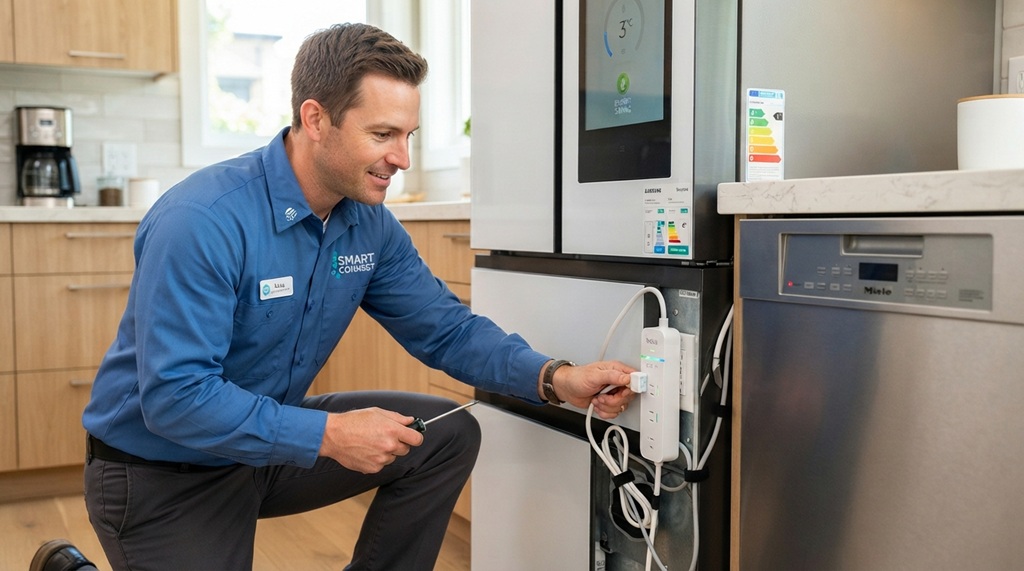
A smart home hub increases savings by letting all your devices work together instead of running as separate, disconnected tools. Individual smart devices help on their own, but a connected system multiplies the effect.
For example, a hub can trigger your thermostat to adjust the moment your smart lock detects you’ve left the house. It can turn off lights and lower the AC at the same time, based on a single automation rule instead of several separate ones you’d have to manage by hand.
This kind of coordination removes the small daily decisions that add up to wasted energy. You set the rules once, and the system keeps applying them without you having to remember anything.
A Tip Most Guides Skip: Audit Before You Automate
Before buying any smart device, spend one week tracking your actual usage with a simple plug-in energy meter or your utility’s online dashboard. Most smart home guides jump straight to recommending gadgets. Few tell you to check your real usage patterns first.
This step matters because it stops you from spending money on devices that won’t actually move the needle. If your biggest cost driver turns out to be an old refrigerator instead of your lighting, a smart bulb won’t fix that problem. A short audit tells you exactly where to spend your smart home budget for the biggest return.
Frequently Asked Questions
How much can smart home devices actually save on monthly bills?
Savings vary by household, climate, and which devices you use, so there’s no single fixed number that applies to everyone. Many households see the biggest impact from a smart thermostat, since heating and cooling usually make up the largest share of a typical bill. Combining a thermostat with smart plugs and lighting tends to produce the strongest overall results.
Do I need a smart home hub to save money?
No, individual devices like a smart thermostat or smart plug can save money entirely on their own. A hub becomes useful once you own several devices and want them to work together automatically. Start with one or two devices and add a hub later if your setup grows.
Are smart home devices worth the upfront cost?
For most households, yes, especially for high-impact devices like smart thermostats that target major energy costs. The upfront cost gets offset over time through lower monthly bills, and many devices pay for themselves within a year or two depending on usage. Cheaper devices like smart plugs tend to pay for themselves the fastest.
Which smart home device should I buy first if I’m on a budget?
A smart thermostat usually offers the best return, since heating and cooling account for a large portion of most home energy bills. If your budget is tighter, a few smart plugs on your highest-use appliances offer a low-cost way to start cutting phantom power waste immediately.
Do smart home devices work with all types of homes?
Most smart home devices work with standard electrical setups, but older homes may need extra wiring checks for certain thermostats or light switches. Renters should check whether devices require permanent installation or offer removable, apartment-friendly options. Always confirm compatibility with your specific heating system, wiring, or Wi-Fi setup before buying.
Final Thoughts
Smart home resources lower bills by removing the daily habits that waste energy without you noticing. Smart thermostats manage heating and cooling automatically. Smart plugs kill phantom power drain. Smart lighting, water heater controls, and power monitors each chip away at costs from a different angle.