
Washing machines are essential household appliances, tirelessly cleaning our clothes week after week. But how long can you expect your washing machine to last in terms of loads? Understanding the lifespan of a washing machine, measured by the number of wash cycles it can handle, is crucial for budgeting, maintenance, and making informed purchasing decisions. In this article, we’ll explore the factors that influence a washing machine’s durability, provide estimates on load capacity, and offer practical tips to maximize its lifespan, all grounded in expertise and reliable data.
Why Load Count Matters
The lifespan of a washing machine is often expressed in years, typically 10–15 years, but this can vary widely based on usage. A more precise measure is the number of wash cycles or “loads” a machine can handle. For households with frequent laundry needs, such as large families, a machine might reach its load limit sooner than its years suggest. By understanding load capacity, you can better assess when to replace your machine or how to maintain it to extend its life.
Factors Affecting Washing Machine Lifespan
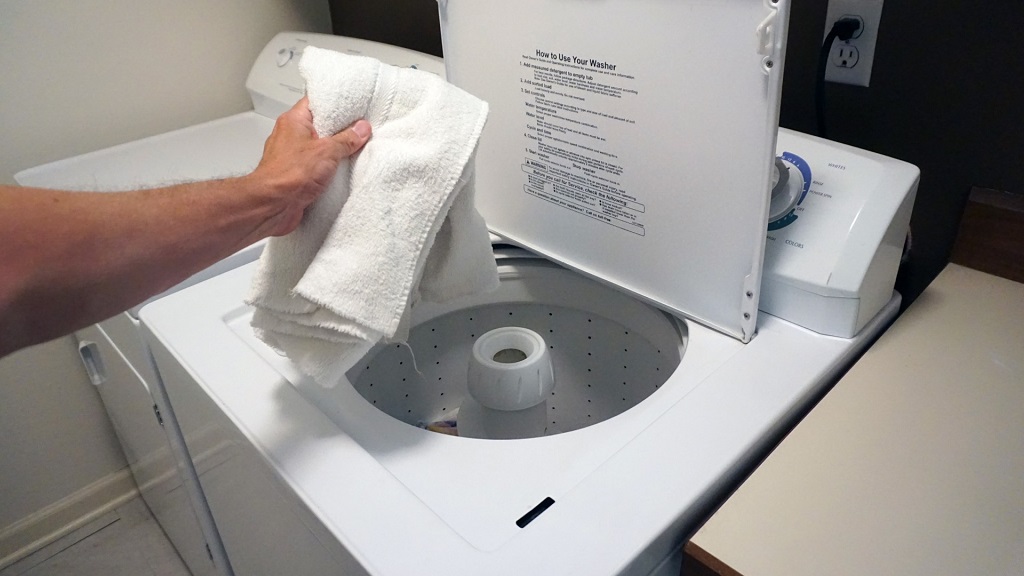
Several factors determine how many loads a washing machine can endure. These range from the machine’s design to how it’s used and maintained. Let’s break them down.
Machine Type and Build Quality
The type and quality of a washing machine play a significant role in its durability. Top-load washing machines are generally simpler in design, with fewer moving parts, which can translate to fewer breakdowns but may wear out faster due to agitator stress. Front-load machines, while often more efficient, have complex components like door seals and bearings that can wear over time. High-end brands, such as Miele or Bosch, often use superior materials, resulting in machines that can handle more loads—sometimes up to 7,000 cycles—compared to budget models, which may last closer to 4,000 cycles.
Usage Patterns
How you use your washing machine significantly impacts its lifespan. Frequent use, such as multiple loads per day, accelerates wear on components like the motor and drum bearings. Overloading the machine strains these parts further, while underloading can lead to inefficient cycles that still count toward the machine’s total load capacity. For example, a household running five loads per week (260 loads annually) will reach a machine’s typical limit faster than one running two loads per week (104 loads annually).
Maintenance Practices
Regular maintenance is key to extending a washing machine’s life. Simple tasks like cleaning the drum, removing lint from filters, and checking hoses can prevent costly repairs. Neglecting these tasks can lead to issues like mold buildup or clogged drains, which strain the machine and reduce its load capacity. Promptly addressing unusual noises or leaks can also prevent minor issues from becoming major failures.
Environmental Factors
External conditions, such as water quality, affect durability. Hard water, rich in minerals like calcium, can cause limescale buildup, which damages internal components. Soft water is gentler on machines but may require specific detergents. Operating conditions, like placing the machine in a humid basement versus a dry laundry room, can also influence wear on electrical and mechanical parts.
Estimating Load Capacity
So, how many loads can a washing machine handle? The answer depends on several variables, but we can provide a general estimate based on industry data and real-world usage.
Manufacturer Specifications
Most manufacturers estimate a washing machine’s lifespan at 10–15 years, which translates to roughly 3,000–7,000 loads, assuming 5–6 loads per week. High-end models, like those from Miele, may be rated for up to 10,000 loads, while budget models might only manage 3,000–4,000. Check your machine’s manual or manufacturer’s website for specific claims, as these vary by model.
Industry Averages
Consumer Reports and other appliance studies suggest an average lifespan of about 5,000 loads for mid-range machines. This estimate assumes typical household use (about 300 loads per year) and proper maintenance. Heavy-duty cycles, which involve higher spin speeds or hotter water, may reduce this number, while gentle cycles can extend it slightly.
Real-World Variables
Real-world usage introduces variability. For instance, a large family running heavy-duty cycles with maximum loads will wear out a machine faster than a single person using delicate cycles. Data from a 2023 Consumer Reports study indicates that front-load machines often outlast top-loaders in terms of load capacity, but only with proper care. Learn more about washing machine longevity from Consumer Reports.
Extending Washing Machine Lifespan
With proper care, you can maximize the number of loads your washing machine can handle. Here are actionable tips to keep your machine running smoothly.
Best Practices for Use
- Avoid Overloading: Follow the manufacturer’s load capacity guidelines to prevent strain on the drum and motor.
- Balance Loads: Uneven loads cause excessive vibration, which can damage bearings and suspension systems.
- Use the Right Detergent: High-efficiency (HE) detergents are essential for front-load machines to prevent excess suds, which can harm components.
- Choose Appropriate Settings: Use gentle or eco cycles for lightly soiled clothes to reduce wear.
Routine Maintenance Tips
- Clean the Drum: Run a monthly cleaning cycle with vinegar or a specialized cleaner to remove detergent residue and mold.
- Check Filters and Hoses: Clean lint filters regularly and inspect hoses for cracks or leaks annually.
- Leave the Door Open: For front-load machines, leave the door ajar between uses to prevent mold and mildew.
When to Seek Professional Help
If your machine makes unusual noises, leaks, or fails to spin properly, don’t delay repairs. Addressing these issues early can prevent further damage. Professional servicing, while an investment, can add hundreds of loads to your machine’s life.
Read More Also: Portable Table Saw Worth It for a Small Workshop
Popular FAQs About Washing Machine Lifespan
| Question | Answer |
|---|---|
| How many years does a washing machine last? | Typically 10–15 years, depending on usage and maintenance, equating to about 3,000–7,000 loads. |
| Does overloading a washing machine reduce its lifespan? | Yes, overloading strains the motor, bearings, and drum, potentially cutting hundreds of loads off its life. |
| Are front-load machines more durable than top-load? | Front-load machines often handle more loads (up to 7,000) but require diligent maintenance to avoid seal or bearing issues. |
| How can I tell if my washing machine is nearing the end of its life? | Signs include frequent breakdowns, loud noises, leaks, or inefficient cleaning after 3,000–5,000 loads. |
| Does hard water affect washing machine durability? | Yes, hard water causes limescale buildup, which can damage components and reduce load capacity. |
Conclusion
A washing machine’s lifespan, measured in loads, depends on its build quality, usage patterns, maintenance, and environmental factors. On average, you can expect 3,000–7,000 loads, with high-end models potentially reaching 10,000. By following best practices—avoiding overloading, using the right detergent, and performing routine maintenance—you can ensure your machine reaches its full potential. When choosing a new washing machine, consider its estimated load capacity and your household’s laundry habits to make a cost-effective, long-lasting investment.