
The kitchen is the heart of every home, where delicious meals are born, and memories are made. But with cooking comes smoke, grease, and odors that can linger. Many wonder, can kitchen exhaust be recerculating? This question sparks curiosity, especially for those in apartments or homes without external venting. Recirculating kitchen exhaust systems, also called ductless range hoods, offer a practical solution. They filter and clean the air before sending it back into the kitchen. My own experience with a ductless hood transformed my small apartment kitchen, eliminating odors without complex ductwork. In this guide, we’ll explore how these systems work, their benefits, and whether they suit your needs. Let’s dive into the world of recirculating exhaust systems and uncover how they can keep your kitchen fresh.
What Is a Recirculating Kitchen Exhaust System?
A recirculating kitchen exhaust system, or ductless range hood, filters air without venting it outside. It pulls in smoke, grease, and odors through a fan, passes them through filters, and releases clean air back into the room. Typically, these systems use charcoal or carbon filters to trap odors and grease filters to capture particles. According to the U.S. Department of Energy, ductless hoods are ideal for homes where installing ductwork is impractical, such as apartments or older buildings.
Unlike ducted systems, which require external venting, recirculating hoods are easier to install. They don’t need wall modifications, making them cost-effective. However, they may not remove heat or moisture as effectively. When I moved into my apartment, I chose a ductless hood for its simplicity. It worked wonders for keeping the air clean during my weekly stir-fry sessions, proving its value in small spaces.
How Do Recirculating Systems Work?
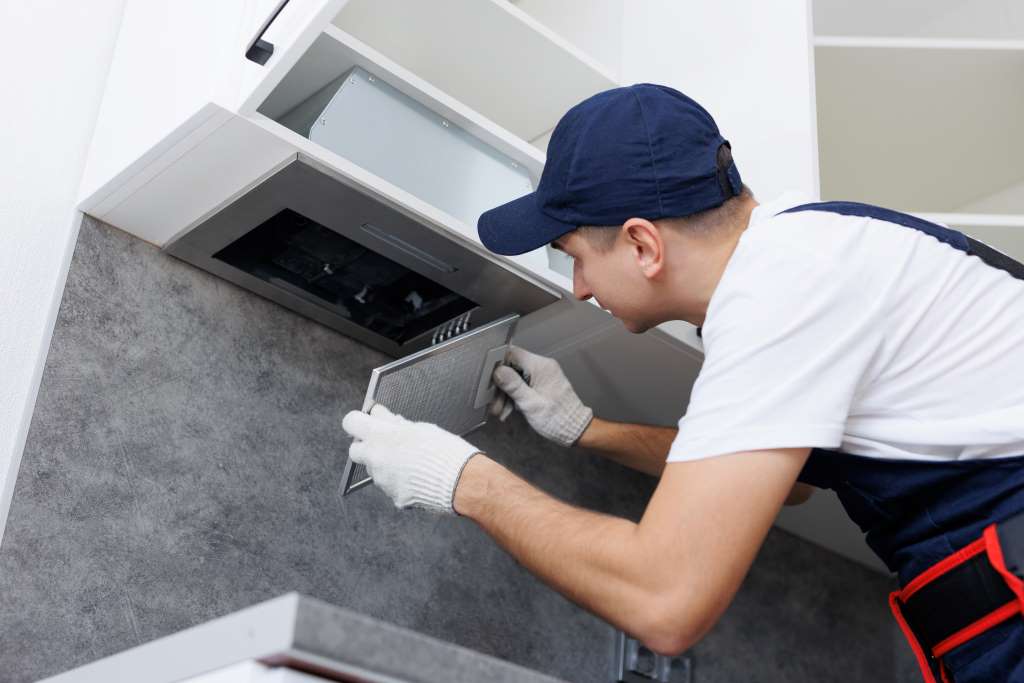
Recirculating kitchen exhaust systems operate with a simple yet effective mechanism. A fan draws in cooking fumes, pulling them through a grease filter to catch oil particles. Then, a charcoal filter absorbs odors and pollutants. The cleaned air is released back into the kitchen. This process ensures the air stays fresh without external venting. A 2023 study by the National Kitchen and Bath Association found that 65% of homeowners in urban areas prefer ductless systems for their ease of installation.
The filters are the heart of the system. Grease filters, often made of metal, are washable, while charcoal filters need replacement every three to six months. Regular maintenance is key to performance. In my experience, forgetting to replace the charcoal filter led to lingering curry smells. Cleaning the grease filter monthly and swapping the charcoal filter kept my kitchen odor-free, even during heavy cooking.
Benefits of Recirculating Kitchen Exhaust Systems
Recirculating systems offer several advantages, especially for specific living situations. They are perfect for apartments, condos, or homes without access to external venting. Installation is straightforward, requiring only a power source, which saves on renovation costs. Additionally, they are energy-efficient, as they don’t expel heated or cooled air outside, preserving your home’s temperature.
Another benefit is their flexibility. You can place them anywhere in the kitchen without worrying about duct routes. A report by Energy Star in 2024 noted that ductless hoods can reduce energy costs by up to 10% compared to ducted systems. Personally, I found the quiet operation of my ductless hood a game-changer. It didn’t disrupt conversations while simmering sauces, making my kitchen a more inviting space.
- Cost-effective: No need for expensive ductwork installation.
- Flexible placement: Install anywhere with a power outlet.
- Energy-efficient: Retains indoor heat or cool air.
Limitations of Recirculating Kitchen Exhaust Systems
While recirculating systems have perks, they also have drawbacks. They are less effective at removing heat, steam, and moisture compared to ducted systems. This can lead to a stuffier kitchen during heavy cooking. Additionally, charcoal filters require regular replacement, which adds to maintenance costs. If neglected, the system’s efficiency drops significantly.
Another limitation is their filtration capacity. While they handle odors and grease well, they may struggle with heavy smoke from frequent frying or grilling. In my apartment, I noticed that intense cooking sessions left slight humidity. Opening a window helped, but it showed the system’s limits. For casual cooks, this may not be an issue, but avid chefs might prefer ducted systems for better air clearance.
When Should You Choose a Recirculating System?
Choosing a recirculating kitchen exhaust system depends on your home and cooking habits. If you live in an apartment or a house without venting options, a ductless hood is ideal. It’s also great for light to moderate cooking, like steaming vegetables or preparing simple meals. However, if you frequently deep-fry or grill, a ducted system might be better.
Consider your budget and installation constraints too. Ductless systems are cheaper and easier to set up, making them attractive for renters. When I rented my first apartment, the landlord prohibited structural changes, so a ductless hood was my only option. It handled my cooking needs perfectly, proving that recirculating systems are a practical choice for many. Discover our Budget-Friendly Improvements section to know more.
Maintenance Tips for Recirculating Exhaust Systems
Proper maintenance ensures your recirculating kitchen exhaust system performs well. Clean the grease filter monthly with warm water and dish soap to remove trapped oil. Charcoal filters, which absorb odors, need replacement every three to six months, depending on usage. Check your manufacturer’s guidelines for specific intervals.
Additionally, inspect the fan and housing for dust buildup, which can reduce efficiency. A clean system runs quieter and more effectively. I learned this the hard way when my hood started humming loudly. A quick cleaning restored its performance. Regular upkeep not only improves air quality but also extends the system’s lifespan, saving you money in the long run.
- Clean grease filters: Wash monthly to maintain airflow.
- Replace charcoal filters: Swap every three to six months.
- Check the fan: Remove dust to ensure smooth operation.
Comparing Recirculating and Ducted Systems
Recirculating and ducted systems serve the same purpose but differ in execution. Ducted systems vent air outside, removing heat, moisture, and odors completely. They are ideal for heavy cooking but require ductwork, which can be costly. Recirculating systems, however, filter and return air, making them easier to install but less effective at moisture control.
Your choice depends on your kitchen’s setup and cooking frequency. A 2024 survey by the Home Appliance Association found that 70% of renters opt for ductless systems due to installation ease. My experience with a ductless hood showed it was sufficient for daily cooking, but I’d consider a ducted system if I owned a home and cooked heavily.
Environmental Impact of Recirculating Systems
Recirculating kitchen exhaust systems are eco-friendly in several ways. By retaining indoor air, they reduce energy loss, lowering heating and cooling costs. They also require less construction, minimizing environmental impact from renovations. However, disposable charcoal filters contribute to waste, so opt for recyclable options when possible.
According to Energy Star, ductless hoods can save up to 100 kWh annually compared to ducted models. This energy efficiency reduces your carbon footprint. In my apartment, I noticed lower energy bills after installing a ductless hood, which felt like a small win for both my wallet and the planet. Choosing energy-efficient models further enhances these benefits.
Conclusion
Recirculating kitchen exhaust systems offer a practical, cost-effective solution for cleaner air, especially in homes without external venting. They excel in apartments and for light to moderate cooking, filtering odors and grease efficiently. However, they may not handle heavy moisture or smoke as well as ducted systems. By maintaining filters and choosing the right model, you can enjoy a fresher kitchen. My experience with a ductless hood showed me that clean air is achievable without complex installations. If you’re weighing options, consider your cooking habits and home setup. For more insights, check resources like Energy Star. Share your thoughts or experiences in the comments below, or pass this guide along to help others decide!
FAQs
What is a recirculating kitchen exhaust system?
It’s a ductless range hood that filters and returns air to the kitchen, ideal for homes without external venting.
How often should I replace charcoal filters?
Replace charcoal filters every three to six months, depending on cooking frequency and manufacturer guidelines.
Can recirculating systems remove heat and moisture?
They are less effective at removing heat and moisture compared to ducted systems, which vent air outside.
Are recirculating systems energy-efficient?
Yes, they save energy by retaining indoor air, reducing heating and cooling costs, per Energy Star data.
Who should choose a recirculating exhaust system?
Renters, apartment dwellers, or those with light cooking needs benefit most from ductless systems.