You finally found the perfect throw pillow cover, only to realize it arrives flat and lifeless. The real magic—the plumpness, the support, the overall polished look—depends entirely on what is inside. If you are tired of sagging cushions that need constant fluffing, you have likely come across the popular options offered by this brand. Many shoppers wonder if these budget-friendly inner cushions are truly built for daily wear and tear or if they are merely a temporary fix. This article examines the construction, filling quality, and real-world durability of MIULEE throw pillow inserts to help you decide if they deserve a spot on your sofa.
Key Takeaways
- MIULEE inserts feature a 100% polyester fill, which offers a soft, cloud-like feel, but they require routine fluffing and are best suited for decorative use rather than heavy lounging.
- The non-slip, velvety cover helps the insert stay securely in place inside a variety of pillow covers, preventing the awkward shifting that plagues many other fillers.
- These inserts are specifically engineered to match the exact size of the cover, so ordering the same dimensions is recommended to achieve that desired “bumper” look.
- While they are machine washable and resistant to odors, they lack the resilience and structural longevity of high-quality down or down-alternative fills.
- They represent excellent value for price-conscious shoppers seeking a full, aesthetically pleasing look for guest rooms or seasonal décor, provided expectations align with their medium-support nature.
Understanding the Materials and Build Quality
To determine if a pillow is suitable for everyday use, you have to look past the outer fabric and examine what is inside. The core construction of this specific brand focuses on a combination of affordability and softness, but how does that translate to daily life?
The Envelope Cover: More Than a Shell
The outer layer of the insert is often overlooked, but it plays a critical role in the longevity of the pillow and the aesthetic of the cover. MIULEE uses a soft, velvety fabric that serves two distinct purposes. First, the material prevents the inner cushion from sliding around inside the decorative cover. If you have ever wrestled with a cover that twists and bunches because the insert keeps moving, you know how frustrating that can be. The second benefit is ease of insertion; the smooth velvet allows you to slide the pillow into a tight cover without tugging or tearing the seams. However, this material is designed to be hidden and is not a substitute for the outer cover’s durability—it doesn’t need to be since it spends its life protected on the inside.
The Polyester Fill: Supporting Structure
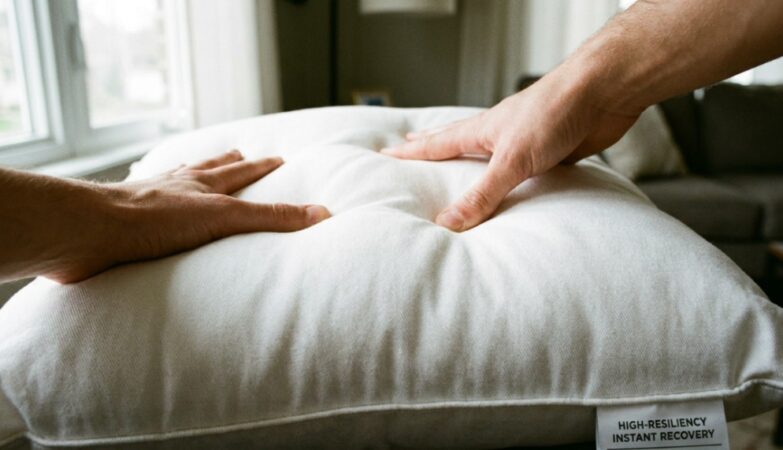
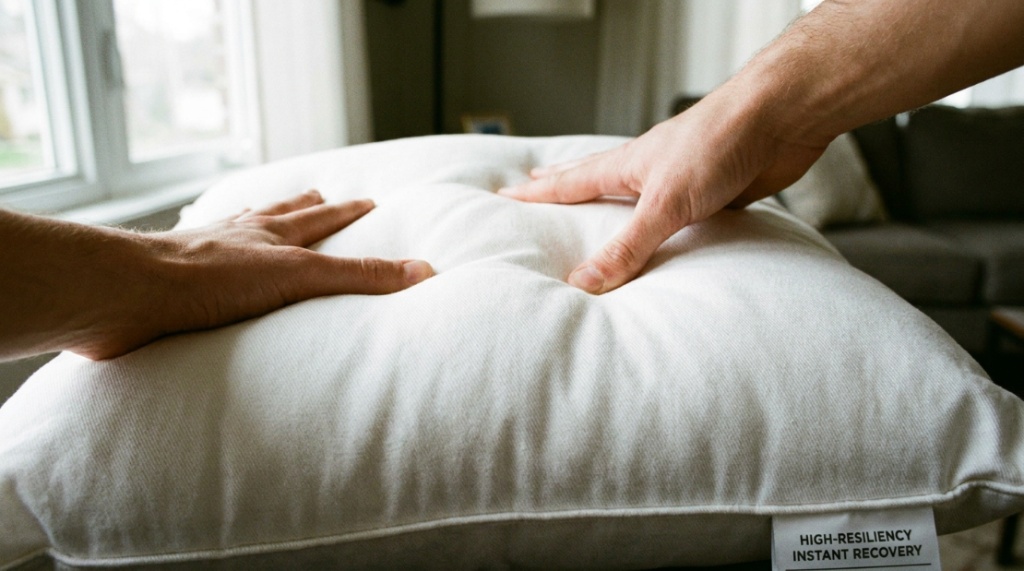
There are different types of polyester fills on the market, ranging from recycled, stiff fibers to soft, blown microfiber. The fill used in these inserts is a high-quality, premium synthetic fiber that mimics the initial fluffiness of down. When you first remove the insert from its vacuum-sealed packaging, it will look extremely flat. This is a critical point for first-time buyers; the pillow requires several hours—or a cycle in the dryer on a no-heat setting—to expand fully. Once fully recovered, the fiberfill offers a soft to medium support level. These inserts are not designed to support a person’s head like a sleeping pillow; they are engineered for aesthetic support, keeping the cover upright and looking inviting for a casual lean.
Comfort and Firmness: Finding the Right Balance

Comfort in a throw pillow is subjective. Some people want a rock-hard cushion for back support while reading, while others prefer a squishy pillow for a quick nap. MIULEE inserts lean heavily toward the “soft and squishy” end of the spectrum.
Most users find that these inserts provide enough structure to look decorative but yield significantly when pressure is applied. They are ideal for:
- Adding a cozy layer to a bedscape.
- Providing light lumbar support when sitting upright against a deep couch cushion.
- Allowing the outer cover to drape without looking stiff or overly manufactured.
If you are looking for a firm pillow to prop yourself up against while working from your couch all day, these may feel too soft and collapse quickly. They are an excellent choice for a living room that sees moderate traffic, but they will not hold a rigid shape against heavy, daily leaning. It is also worth noting that the “down-like” feel that makes them comfortable for resting against means they will compress noticeably. For a visual guide and more specific details on how they hold up in real-life settings, look at how they fit in standard covers before purchasing.
Longevity: Building a Resilient Core
Durability is the biggest question for everyday use. How long will the insert keep its shape before developing a permanent flat spot?
Weight and Fiber Density
A common complaint with budget inserts is that they feel empty. MIULEE uses a specific fill weight to create a “full” look, which balances a luxurious appearance with a soft, light feel. Because the fill is high-loft, it traps air, which is what provides the cushioning. Over time, however, the fibers will break down or compress from repeated use. Unlike a solid foam block that holds structure, fiberfill is dependent on air pockets. Daily use pushes those air pockets out, requiring manual fluffing to redistribute the fibers. While the construction quality is solid—the stitching is tight and the seams are reinforced—the fill will not bounce back overnight by itself.
Fluffing and Maintenance Requirements
There are ways to extend the life of these inserts. Placing them in a dryer on an air-only or low-heat cycle for about ten minutes once a week will help re-expand the fibers. If you skip this step, the pillow will eventually look tired and flat. This is a trade-off; a foam insert might be heavier and stiffer, but it requires zero maintenance. A fiberfill insert offers that classic, lovely “cloud” aesthetic but demands a bit of care. If you are looking for a zero-maintenance solution, this may not be it. If you are willing to spend ten minutes a week reviving the pillow, it will last a long time.
Versatility and Practical Use Cases
The specific design and unique blend of materials used in MIULEE throw pillow inserts make them more versatile than the average generic filler. While they are marketed primarily for decorative use, the design allows them to function in several different rooms of the house without looking out of place.
Bedding vs. Sofa Placement
When placed on a bed, these inserts work exceptionally well. Morning routines often involve heaving the pillows onto the floor to sleep, and then placing them back. Because the insert is pliable and has a slight grip, it does not shift within the cover when you toss it around. On a sofa, they are best used as accent pieces in corners rather than as primary seating cushions. They add texture and a “finished” look to a chair but should not be relied upon for long-term seating comfort.
The “Bumper” Effect and Sizing
One of the most important attributes of a good decorative insert is that it fits the cover perfectly. A crucial piece of advice for this specific product is to size up if you are using a highly textured cover (like corduroy or linen) that tends to shrink slightly in the wash, or if you prefer the “overstuffed” look. If you have a sturdy zipper cover that is exactly 18×18 inches, an 18×18 insert will work well. However, if the cover is made of a stretchy material, it is advisable to buy the same size to avoid stretching the cover out of shape, but for a sharp, crisp look, choosing the exact cover size is the safest route to avoid sagging corners, if you deal with discomfort while reading or relaxing in bed, check out our guide on affordable wedge pillows for neck pain for better ergonomic support.
Care and Maintenance: Why Machine Washability Matters
Everyday use inevitably leads to spills, dust, and allergens. The washability of a pillow insert is a major factor in its usability. One of the standout features here is the ease of cleaning.
These inserts are fully machine washable. This is a significant advantage over memory foam inserts, which cannot absorb water without being ruined. However, there is a caveat: the drying time is substantial. Because the inside is a dense bundle of polyester fibers, they hold onto water. If you wash them, you must ensure they are absolutely bone-dry before using them again to prevent mildew from developing inside the core. It is often more practical to simply wash the outer zipper cover and spot-clean the insert unless there is a major spill. The outer cover of the insert is resistant to odor and dust mites, making them a decent choice for allergy sufferers who require a cleaner environment.
Value for Money: Comparing to Down and Foam Alternatives
Price is often the deciding factor between different types of inserts. There is a wide spectrum of pricing in the pillow market, and understanding where MIULEE falls in that spectrum will help you gauge their worth for your specific needs.
| Feature | MIULEE (Poly-Fiber) | Memory Foam | Down Blends |
|---|---|---|---|
| Initial Cost | Low | Medium | High |
| Support Level | Medium / Soft | Hard / Dense | Soft but Heavy |
| Maintenance | High (needs fluffing) | Low (no fluffing) | Medium (special washing) |
| Shape Retention | Poor (compresses) | Excellent (holds shape) | Good (needs plumping) |
| Best Use Case | Decorative, occasional lean | Back support, seating | Luxury bedscapes |
While the price point is attractive, they are a “consumable” item if used very aggressively. They will not last for five years of daily heavy use the way a solid foam core might. However, they are resilient enough to last several years for the average household. The longevity is highly correlated with use; if you tend to “hug” pillows on the couch, you will fluff these daily. If you just want them to look pretty, they are a nearly perfect choice for the price.
Frequently Asked Questions
Do MIULEE throw pillow inserts have a chemical smell when they arrive?
Generally, no. The polyester fill is usually well-ventilated during production, and most users do not report a lasting off-gassing odor. If you detect a slight scent straight out of the vacuum packaging, allowing the pillow to air out for a few hours usually eliminates it completely.
How long does it take for these inserts to expand after unpacking?
You should expect a minimum of 24 hours for full expansion. The vacuum-sealed packaging compresses the fibers significantly. If you are impatient, placing them in a dryer on the “air fluff” setting (no heat) for 15 minutes with a couple of dryer balls can speed up the expansion process dramatically.
Can I use these inserts for floor seating?
No. The medium-soft support level is not sufficient for supporting body weight on a hard floor. They are designed for furniture use where the sofa or bed provides the primary structural support. Using them on the floor will flatten them permanently due to the concentrated weight.
Do these inserts make noise when you sit on them?
No. The polyester fiberfill is completely silent. They do not have the crinkly, plastic-like sound often associated with cheap, low-budget fillers or inflatable cushions.
Will these inserts bleed through thin pillow covers?
No. The velvety outer fabric is opaque and tightly woven. The white color of the insert does not transfer to the cover, and the texture does not “poke” through. Even light-colored, thin linen covers remain clean in appearance.
Conclusion
So, are these inserts good for everyday use? The answer is nuanced. They are exceptionally good for the everyday use of a decorative pillow—providing structure to covers, a soft place to rest an arm, and an easy-care solution for busy households. However, they are not high-performance support cushions. They are an excellent, accessible choice for those seeking a “hotel-style” puffiness without the high price tag of down. To get the most out of them, you must embrace the routine of fluffing them daily and pair them with high-quality decorative covers. If you prioritize aesthetics, easy cleaning, and softness over firm support, these inserts offer excellent value and will serve you well. If firm, structural support is your primary goal, you would be better served exploring solid foam alternatives.