

Selecting the right garage door material can transform your home’s curb appeal while providing years of reliable service. Whether you’re building a new home or replacing an existing garage door, the choice between glass, wood, and steel materials will impact everything from your property value to maintenance requirements. Each material offers distinct advantages and challenges that deserve careful consideration.
Modern homeowners face an exciting array of options when choosing garage door materials. Glass doors bring contemporary elegance and natural light. Wood provides timeless beauty and customization potential. Steel delivers unmatched durability and security. Understanding these materials helps you make an informed decision that aligns with your budget, climate, and aesthetic preferences.
Understanding the Importance of Garage Door Material Selection
The material you choose for your garage door affects multiple aspects of your home ownership experience. Therefore, understanding each option’s characteristics becomes essential for making the right choice.
Your garage door material influences energy efficiency, maintenance costs, and long-term durability. Additionally, it plays a significant role in your home’s overall aesthetic appeal and market value. Different materials respond differently to weather conditions, requiring varying levels of care and attention.
Climate considerations particularly matter when selecting garage door materials. For instance, coastal areas with salt air may favor certain materials over others. Similarly, regions with extreme temperature fluctuations need materials that can withstand thermal expansion and contraction without compromising structural integrity.
Comprehensive Analysis of Steel Garage Door Materials
Steel garage doors dominate the market due to their exceptional durability and affordability. However, not all steel doors offer the same quality or performance characteristics.
Single-layer steel doors provide basic protection at the lowest cost point. Double-layer options include insulation backing for improved energy efficiency. Triple-layer steel doors feature sandwich construction with foam insulation between steel layers, offering superior thermal performance and noise reduction.
Steel’s strength makes it highly resistant to dents, impacts, and weather damage. Modern steel doors often feature galvanized coatings and paint systems that resist rust and corrosion. Many manufacturers offer warranties extending 10-20 years, reflecting confidence in steel’s longevity.
Nevertheless, steel doors can be prone to rust in certain environments. Coastal areas with salt exposure require more frequent maintenance. Additionally, basic steel doors may dent from impact, though higher-gauge steel reduces this risk significantly.
Exploring Wood Garage Door Material Benefits and Challenges
Wood garage doors offer unmatched natural beauty and customization possibilities. Therefore, many homeowners choose wood for its aesthetic appeal and ability to complement traditional architectural styles.
Cedar, redwood, and mahogany represent popular wood choices for garage doors. Cedar provides natural weather resistance and aromatic properties. Redwood offers excellent durability and dimensional stability. Mahogany delivers superior strength and rich grain patterns that enhance any home’s appearance.
Customization options with wood materials are virtually limitless. Homeowners can choose from various stains, paints, and finishes to match their home’s exterior. Additionally, wood doors can be crafted in unique designs, incorporating windows, decorative hardware, and architectural details.
However, wood requires more maintenance than other materials. Regular staining or painting prevents weather damage and maintains appearance. Wood also expands and contracts with humidity changes, potentially affecting door operation. Furthermore, wood garage doors typically cost more than steel alternatives, both initially and over time due to maintenance requirements.
Glass Garage Door Material Features and Applications
Glass garage doors represent the cutting edge of modern residential design. However, these doors serve specific purposes and work best in particular applications.
Aluminum frames typically support large glass panels in contemporary garage door designs. Tempered safety glass ensures durability and safety if breakage occurs. Some designs incorporate insulated glass units for improved energy efficiency in climate-controlled garage spaces.
Glass doors excel at bringing natural light into garage spaces, creating bright, welcoming environments. They work particularly well for garages converted to living spaces, workshops, or entertainment areas. Additionally, glass doors showcase beautiful cars or create impressive storefronts for home-based businesses.
Nevertheless, glass doors offer limited insulation compared to other materials. Privacy can be a concern unless frosted or tinted glass is selected. Maintenance involves regular cleaning to maintain transparency and appearance. Furthermore, glass doors typically cost more than traditional materials and may require specialized repair services.
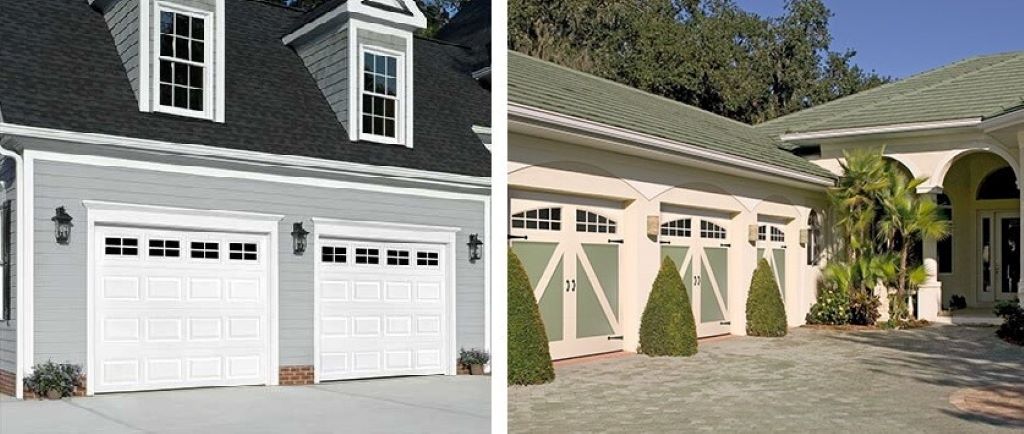
Cost Comparison Analysis Across Different Garage Door Materials
Understanding the financial implications of each material helps homeowners make budget-conscious decisions. Therefore, examining both initial costs and long-term expenses provides valuable insight.
According to the Remodeling 2023 Cost vs. Value Report, garage door replacement projects typically recoup 85-95% of their cost in home value increases. However, material choice significantly impacts both project cost and return on investment.
Steel garage doors generally offer the most affordable option, with basic models starting around $300-800. Mid-range steel doors with insulation cost $800-1,500. Premium steel doors with advanced features range from $1,500-3,000.
Wood garage doors typically cost $1,000-4,000 depending on wood type and design complexity. Custom wood doors can exceed $5,000. Additionally, wood doors require ongoing maintenance costs for staining, sealing, and potential repairs.
Glass garage doors represent the premium option, typically costing $2,500-8,000 or more for custom designs. However, their modern appeal can significantly enhance property value in contemporary home markets.
Maintenance Requirements for Each Garage Door Material Type
Different materials demand varying maintenance approaches to ensure optimal performance and longevity. Therefore, understanding these requirements helps homeowners plan for ongoing care responsibilities.
Steel garage doors require minimal maintenance beyond periodic cleaning and lubrication of moving parts. Annual inspection for rust spots or paint damage prevents minor issues from becoming major problems. Quality steel doors with proper finishes can last 15-30 years with basic care.
Wood garage doors need the most attention, requiring refinishing every 2-4 years depending on climate exposure. Regular inspection for signs of rot, insect damage, or weathering helps maintain structural integrity. Proper maintenance can extend wood door life to 20-30 years, though neglect can lead to premature failure.
Glass garage doors require regular cleaning to maintain their aesthetic appeal. Frame components need lubrication and adjustment similar to other door types. Glass panels should be inspected for chips or cracks that could compromise safety or weather sealing.
Climate Considerations When Choosing Garage Door Materials
Your local climate significantly influences which garage door material will perform best long-term. Therefore, matching material characteristics to environmental conditions ensures optimal durability and performance.
Hot, sunny climates can cause fading and thermal expansion in all materials. Steel doors with quality paint systems resist fading better than basic options. Wood doors may crack or warp without proper sealing and maintenance. Glass doors handle heat well but may increase garage temperatures without proper shading.
Cold climates require materials that resist freezing temperatures and ice formation. Insulated steel doors provide excellent thermal performance. Wood doors can develop gaps from contraction, affecting weather sealing. Glass doors may develop condensation issues without proper thermal breaks.
Humid coastal environments favor corrosion-resistant materials. Galvanized steel with quality coatings performs well with proper maintenance. Naturally weather-resistant woods like cedar handle humidity better than other species. Glass doors resist corrosion but may require more frequent cleaning due to salt air exposure.
Security Features Across Different Garage Door Material Options
Home security considerations influence garage door material selection, as different materials offer varying levels of protection against forced entry attempts. Therefore, understanding security characteristics helps homeowners make informed choices.
Steel garage doors provide excellent security due to their strength and resistance to cutting or breaking. Heavy-gauge steel construction particularly deters forced entry attempts. Many steel doors accommodate advanced locking systems and security hardware without structural modifications.
Wood garage doors offer moderate security depending on thickness and construction quality. Solid wood doors resist impact better than hollow-core alternatives. However, wood can be cut or damaged more easily than steel. Reinforcement with metal hardware improves security performance.
Glass garage doors present unique security challenges and opportunities. While glass can be broken, tempered safety glass requires significant force and creates noise during breaking attempts. Some homeowners prefer glass doors’ visibility for security monitoring, while others prefer privacy that opaque materials provide.
Energy Efficiency Comparison of Garage Door Materials
Energy efficiency affects heating and cooling costs, particularly for attached garages or climate-controlled garage spaces. Therefore, understanding thermal performance helps homeowners optimize energy consumption.
Insulated steel garage doors offer excellent thermal performance with R-values ranging from R-6 to R-18 depending on construction. Triple-layer doors with polyurethane foam insulation provide the best thermal efficiency among steel options.
Wood garage doors provide natural insulation properties, though performance varies by thickness and wood species. Solid wood doors typically achieve R-values between R-2 to R-5. Adding weatherstripping and proper sealing improves overall thermal performance.
Glass garage doors typically offer minimal insulation unless constructed with insulated glass units. Single-pane glass provides virtually no thermal resistance. Double-pane glass with low-E coatings can achieve modest R-values around R-2 to R-3.
Installation Considerations for Different Garage Door Material Types
Installation requirements vary significantly among garage door materials, affecting both project complexity and cost. Therefore, understanding these differences helps homeowners plan appropriate installation approaches.
Steel garage doors generally offer straightforward installation due to standardized dimensions and lightweight construction. Most steel doors can be installed by experienced DIY homeowners or professional installers within a single day.
Wood garage doors often require custom fitting and may need specialized hardware to support their weight. Professional installation is typically recommended due to alignment requirements and potential structural modifications needed for heavier doors.
Glass garage doors almost always require professional installation due to their weight, fragility, and specialized hardware requirements. Proper installation ensures weather sealing and safe operation of these premium door systems.
Aesthetic Appeal and Design Flexibility of Each Material
Visual appeal plays a major role in garage door selection, as these doors significantly impact home curb appeal. Therefore, understanding design possibilities helps homeowners achieve their aesthetic goals.
Steel garage doors offer numerous design options including panel styles, colors, and textures that mimic wood or other materials. Modern manufacturing techniques create realistic wood grain textures and custom color matching capabilities.
Wood garage doors provide unlimited customization potential through staining, painting, and architectural detailing. Custom millwork can create unique designs that perfectly complement any architectural style from traditional to contemporary.
Glass garage doors excel in modern and contemporary settings, offering clean lines and sophisticated appeal. Various glass options including clear, frosted, tinted, or decorative patterns allow customization while maintaining their modern aesthetic.
Common Mistakes to Avoid When Selecting Garage Door Materials
Understanding potential pitfalls helps homeowners make better decisions and avoid costly mistakes. Therefore, recognizing these common errors prevents future regrets and additional expenses.
Key mistakes include: • Choosing materials solely based on initial cost without considering long-term maintenance expenses • Ignoring climate factors that affect material performance and longevity • Selecting materials that don’t complement the home’s architectural style • Underestimating installation complexity and associated costs • Failing to consider local building codes and HOA restrictions • Overlooking energy efficiency impacts on utility costs • Choosing inadequate insulation for climate-controlled garage spaces
Professional Installation versus DIY Approaches for Each Material
Installation method affects both cost and long-term performance, making this decision crucial for project success. Therefore, understanding when professional installation is necessary helps homeowners plan appropriately.
Steel garage doors often accommodate DIY installation for homeowners with mechanical skills and proper tools. However, spring tension adjustment and electrical connections may require professional assistance for safety reasons.
Wood garage doors typically benefit from professional installation due to weight considerations and custom fitting requirements. Proper alignment ensures smooth operation and prevents premature wear on moving components.
Glass garage doors almost always require professional installation due to specialized knowledge needed for safe handling and proper weather sealing. The investment in professional installation protects against costly damage during installation.
Future Trends in Garage Door Material Technology
Emerging technologies and materials continue evolving garage door options, offering homeowners new possibilities for performance and aesthetics. Therefore, understanding these trends helps homeowners make forward-thinking decisions.
Smart home integration increasingly influences garage door design, with materials accommodating sensors, cameras, and automated systems. Steel and glass doors particularly excel at incorporating these technological features.
Sustainable materials gain popularity as environmental consciousness grows. Recycled steel content and sustainably harvested wood options address ecological concerns without compromising performance.
Advanced composites combine benefits of multiple materials while minimizing drawbacks. These hybrid materials promise improved durability, reduced maintenance, and enhanced performance characteristics.
Making Your Final Decision: Key Factors to Consider
Several critical factors should guide your garage door material selection to ensure satisfaction with your choice. Therefore, weighing these considerations helps identify the best option for your specific situation.
Budget considerations include both initial purchase price and long-term maintenance costs. Steel generally offers the best value proposition, while glass provides premium appeal at higher cost. Wood falls between these options with moderate initial cost but higher maintenance requirements.
Climate factors significantly influence material performance and longevity. Choose materials that handle your local weather conditions effectively to minimize maintenance and maximize lifespan.
Aesthetic preferences should align with your home’s architectural style and personal taste. Consider how the garage door will look both now and after several years of exposure to weather and wear.
Conclusion
Choosing between glass, wood, and steel garage door materials requires careful consideration of multiple factors including budget, climate, maintenance preferences, and aesthetic goals. Steel doors offer excellent value with minimal maintenance requirements and strong security features. Wood provides unmatched natural beauty and customization options but demands more ongoing care. Glass doors deliver contemporary sophistication and natural light but at premium prices.
The best garage door material for your home depends on your specific circumstances and priorities. Consider your local climate, budget constraints, maintenance willingness, and design preferences when making this important decision. Remember that your garage door significantly impacts your home’s curb appeal and value, making quality material selection a worthwhile investment.
Take time to research local suppliers, compare warranties, and obtain multiple quotes before making your final decision. A well-chosen garage door material will provide years of reliable service while enhancing your home’s appearance and value.
What factors are most important to you when choosing a garage door material? Share your thoughts in the comments below, and don’t forget to share this article with friends who might be facing the same decision.
Frequently Asked Questions
Which garage door material lasts the longest?
Steel garage doors typically last 15-30 years with proper maintenance, making them the most durable option. Quality steel doors with galvanized coatings and premium paint systems resist rust and weather damage effectively.
Are wood garage doors worth the extra maintenance?
Wood garage doors justify their maintenance requirements for homeowners who prioritize natural beauty and customization options. However, busy homeowners might prefer lower-maintenance steel alternatives.
How much do glass garage doors typically cost?
Glass garage doors generally cost $2,500-8,000 depending on size, glass type, and frame materials. Custom designs with specialized glass can exceed these ranges significantly.
Can I install a garage door myself?
Basic steel garage doors can be DIY projects for mechanically inclined homeowners. However, wood and glass doors typically require professional installation due to weight and complexity considerations.
Which material provides the best insulation?
Insulated steel garage doors offer the best thermal performance with R-values up to R-18. Triple-layer construction with polyurethane foam provides superior energy efficiency compared to other materials.
Read More: