Remodeling your kitchen or bathroom can breathe new life into your home—but are you doing it sustainably? With growing awareness about climate change, homeowners are now shifting toward eco-conscious living. According to a 2024 report by Statista, over 70% of American homeowners consider sustainability a top priority when remodeling. If you’re one of them, you’re in the right place. This guide delivers practical, expert-backed eco-friendly kitchen and bathroom remodeling tips that don’t compromise on style or function.
Why Eco-Friendly Remodeling Matters
Home renovations contribute significantly to landfill waste and carbon emissions. The EPA states that construction and demolition generate over 600 million tons of waste annually in the U.S. alone. By choosing eco-friendly practices, you reduce environmental impact, lower utility bills, and improve indoor air quality.
But it’s not just about saving the planet—it’s also about creating a healthier and smarter home for your family. From choosing non-toxic materials to installing energy-efficient systems, every small choice counts.
1. Choose Sustainable Materials That Last
One of the most effective ways to reduce your environmental impact is by selecting sustainable, durable materials. Recycled glass countertops, bamboo flooring, and reclaimed wood cabinets are excellent alternatives to conventional materials.
-
Bamboo grows rapidly and regenerates without replanting, making it an ideal flooring option.
-
Recycled glass countertops are not only stylish but also divert waste from landfills.
-
Reclaimed wood adds character to your space while reducing demand for virgin timber.
The key is durability. A material that needs replacing every five years is far less eco-friendly than one that lasts two decades.
2. Prioritize Energy-Efficient Appliances and Fixtures
Energy Star-rated appliances use up to 50% less energy than their non-rated counterparts. In the kitchen, consider replacing your old refrigerator, dishwasher, and oven with high-efficiency models. In the bathroom, install low-flow showerheads and dual-flush toilets.
According to the U.S. Department of Energy, switching to energy-efficient appliances can save an average household up to $500 per year.
Pro Tip: Install motion sensor lighting and dimmer switches to reduce unnecessary energy consumption.
3. Reduce Water Waste with Smart Plumbing
The average American household uses nearly 300 gallons of water daily. Bathrooms account for over half of that usage. Opt for water-saving fixtures like:
-
Low-flow toilets and faucets
-
Aerators for taps
-
Tankless water heaters
Additionally, greywater systems can reuse water from sinks and showers for flushing toilets or irrigation, cutting down water waste significantly.
For instance, the city of San Francisco mandates greywater recycling in new constructions. The results have shown a 30% reduction in municipal water consumption.
4. Use Low-VOC and Non-Toxic Materials
Indoor air pollution is a serious concern, especially during remodeling. Many paints, adhesives, and sealants contain volatile organic compounds (VOCs) that release harmful fumes.
Choose low-VOC or zero-VOC paints and adhesives to improve indoor air quality. Brands like Benjamin Moore’s Natura or ECOS Paints are excellent choices that don’t compromise on color or durability.
Also, steer clear of particle boards and fiberboards with formaldehyde-based glues.
5. Maximize Natural Light and Ventilation
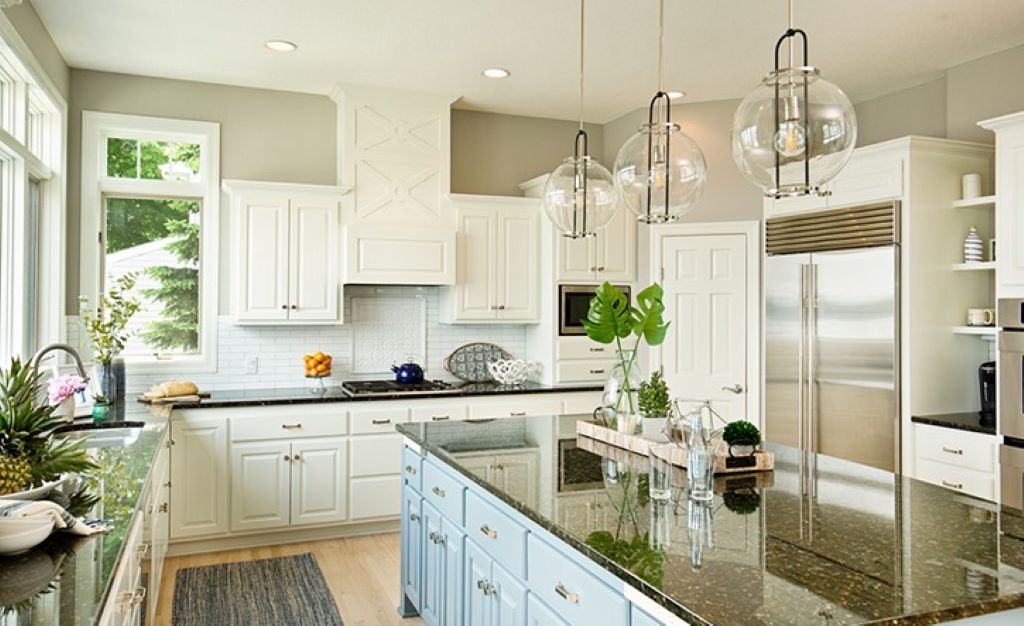
Reducing the need for artificial lighting and climate control is both eco-conscious and cost-effective. Install larger windows, skylights, or sun tunnels in your kitchen or bathroom to boost natural lighting.
Proper ventilation also prevents mold growth—a major issue in humid environments like bathrooms. Use energy-efficient exhaust fans with humidity sensors to maintain air quality without wasting power.
Pro Tip: Reflective backsplashes and light-colored walls can amplify daylight, making the room feel brighter without extra energy usage.
6. Reuse and Upcycle Where Possible
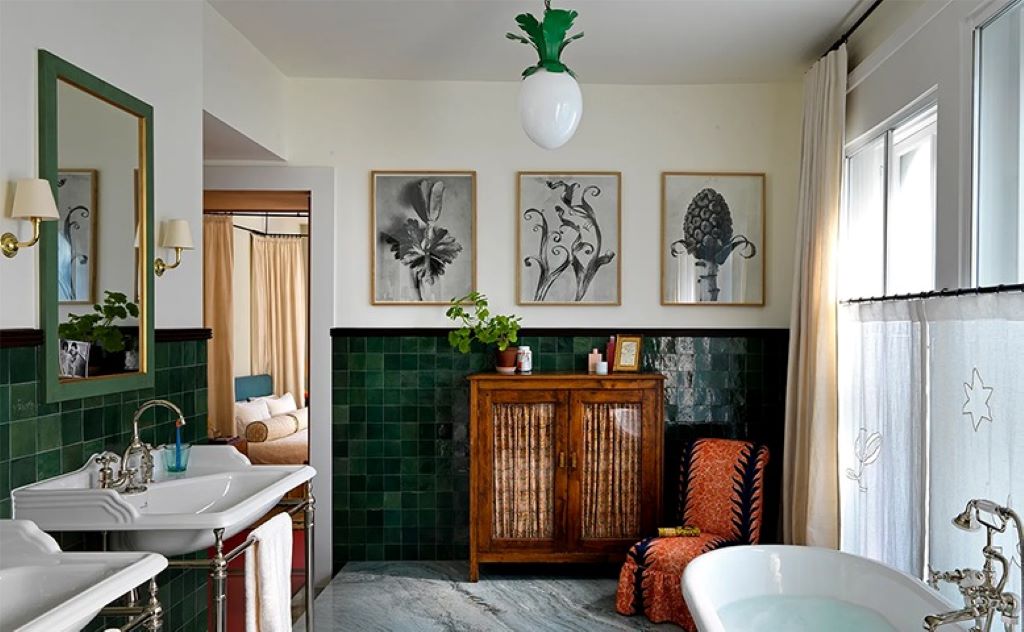
You don’t always need brand-new items to achieve a fresh look. Salvage yards, architectural resale stores, and even online marketplaces like Facebook Marketplace offer gently used materials and fixtures.
Repurpose vintage vanities, sinks, or even cabinet hardware. Not only is this approach more sustainable, but it also adds unique character to your space.
In fact, a 2023 Houzz survey found that 22% of homeowners reused existing fixtures during their remodel, reducing their carbon footprint significantly.
7. Dispose of Old Materials Responsibly
Demolition doesn’t mean destruction. Partner with local recycling centers or donate usable items to Habitat for Humanity or similar organizations.
Also, check with your contractor to see if they practice responsible disposal or participate in recycling programs. Waste management is an often-overlooked part of remodeling, yet it’s crucial to sustainability.
Expert Pro Tips for Eco-Friendly Remodeling
-
Consult a green-certified contractor – Professionals certified by the National Green Building Standard or LEED are more likely to use sustainable practices.
-
Use lifecycle costing – Choose products that may cost more upfront but save money and resources in the long run.
-
Plan for the long term – Design with future upgrades in mind to avoid repetitive remodeling and waste.
Also Read:
The Difference Between Porcelain and Ceramic Tile for Kitchen and Bathroom
Featured Snippet Q&A
What is the most eco-friendly way to remodel a kitchen or bathroom?
The most eco-friendly approach to remodeling involves a mix of strategies: using sustainable materials like bamboo or recycled glass, installing energy-efficient appliances and fixtures, improving natural light and ventilation, and reducing water waste through low-flow systems. Reusing existing components and responsibly disposing of waste also significantly reduces environmental impact. Additionally, opting for non-toxic paints and sealants helps maintain healthy indoor air quality. Hiring a green-certified contractor ensures every aspect of the remodel aligns with eco-conscious standards.
7 FAQs About Eco-Friendly Kitchen & Bathroom Remodeling
1. Is eco-friendly remodeling more expensive?
Initially, it might be slightly costlier, but energy savings and durability make it cheaper in the long run.
2. Can I reuse old cabinets?
Absolutely. Repainting or refinishing old cabinets reduces waste and adds charm.
3. What are some eco-friendly countertop materials?
Recycled glass, reclaimed wood, and recycled paper composites are excellent sustainable options.
4. How do I check if appliances are energy efficient?
Look for the Energy Star label or compare energy usage stats in the appliance’s documentation.
5. Is bamboo really a green choice?
Yes. It grows rapidly and is harvested without killing the plant, making it highly sustainable.
6. What’s the best way to reduce water usage in the bathroom?
Install low-flow faucets, dual-flush toilets, and consider greywater reuse systems.
7. How can I make small spaces eco-friendly?
Use multi-functional fixtures, natural lighting, and compact, energy-efficient appliances.
Final Thought
Remodeling with sustainability in mind isn’t just a trend—it’s a responsibility. By following these eco-friendly kitchen and bathroom remodeling tips, you contribute to a greener planet while crafting a beautiful, efficient space. Every decision, from the materials you choose to how you dispose of waste, holds the power to make a difference. Whether you’re planning a full-scale renovation or simple upgrades, embrace the opportunity to build a smarter, more sustainable home that serves both your family and the Earth for years to come.