Walking into a kitchen with gleaming countertops feels like stepping into the heart of a home. But what if those surfaces could also reflect your commitment to the planet? Eco-friendly countertop materials are transforming sustainable kitchens into stylish, environmentally conscious spaces. My journey to a greener kitchen began when I renovated my home, seeking materials that reduced waste while adding charm. With rising awareness of sustainability, choosing eco-friendly options is more than a trend—it’s a lifestyle. This blog post explores countertop materials that prioritize the environment without compromising aesthetics. From recycled glass to bamboo, we’ll dive into options that make sustainable kitchens shine. Ready to create a kitchen that’s kind to the Earth? Let’s get started.
Why Choose Eco-Friendly Countertop Materials?
Sustainable kitchens are about making choices that benefit both your home and the environment. Eco-friendly countertop materials reduce waste, conserve resources, and often require less energy to produce. For instance, traditional materials like granite involve heavy mining, which harms ecosystems. In contrast, green alternatives use recycled or renewable resources, cutting down environmental impact. According to a 2021 study by the National Kitchen and Bath Association, 65% of homeowners now prioritize sustainability in kitchen renovations, showing a shift toward eco-conscious choices.
My own experience taught me the value of these materials. During my kitchen remodel, I chose recycled glass countertops, which not only looked stunning but also reduced landfill waste. Additionally, eco-friendly options often come with health benefits, like lower volatile organic compound (VOC) emissions, creating safer indoor air quality. By choosing sustainable materials, you’re investing in a healthier planet and home.
Recycled Glass Countertops: Beauty in Repurposed Materials
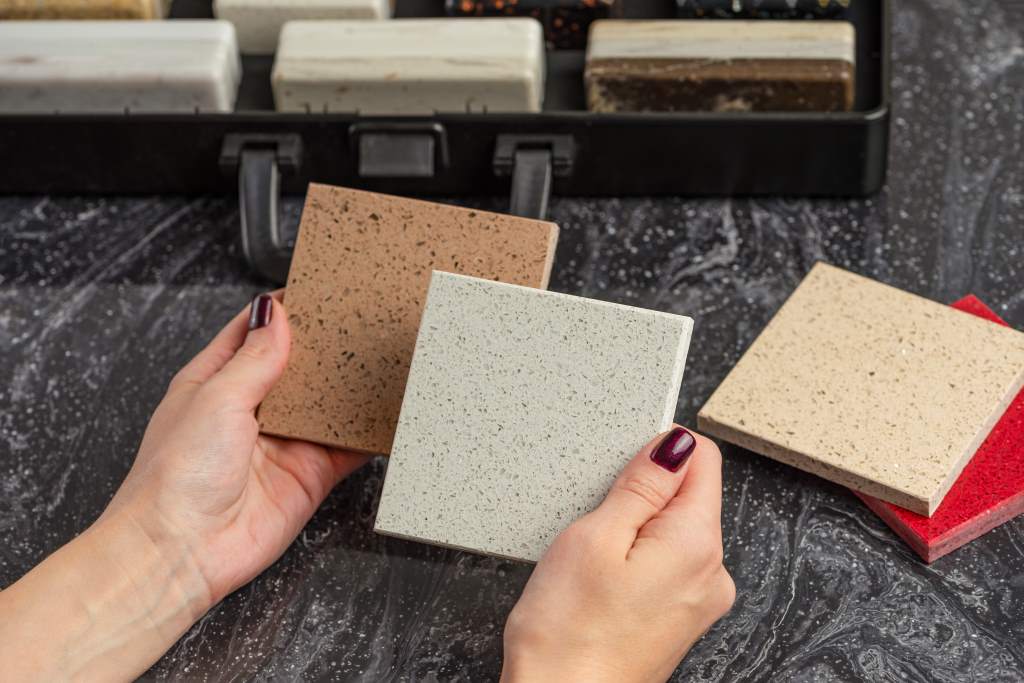
Recycled glass countertops are a dazzling choice for sustainable kitchens. Made from crushed glass mixed with resin, they offer a vibrant, mosaic-like appearance. These countertops divert glass from landfills, reducing waste significantly. A 2022 report by the Environmental Protection Agency noted that recycling glass saves 30% of the energy used in producing new glass. This makes it a win for the environment and your kitchen’s aesthetic.
Installation is straightforward, and maintenance is simple—wipe with a mild cleaner to keep them sparkling. However, they can be prone to scratches, so using cutting boards is a must. I remember hosting a dinner party where guests marveled at my countertops’ colorful flecks, sparking conversations about sustainability. Recycled glass is durable, non-porous, and resistant to stains, making it ideal for busy kitchens. For more on glass recycling, check out EPA’s recycling guidelines.
Bamboo Countertops: Nature’s Renewable Resource

Bamboo is a superstar in sustainable kitchens due to its rapid growth and renewability. Unlike hardwood, bamboo regenerates in three to five years, making it a low-impact choice. Its natural grain adds warmth to any kitchen, blending eco-friendliness with style. According to a 2023 study by the Forest Stewardship Council, bamboo production emits 50% less carbon than traditional wood harvesting.
Bamboo countertops are durable but require regular sealing to prevent water damage. My neighbor, a chef, swears by her bamboo counters for their smooth surface and easy upkeep. However, they can dent under heavy pressure, so caution with heavy appliances is key. Their versatility suits modern and rustic kitchens alike. Transitioning to bamboo means embracing nature’s efficiency without sacrificing beauty.
Reclaimed Wood: Rustic Charm with a Green Heart
Reclaimed wood countertops bring history and sustainability into your kitchen. Sourced from old barns, factories, or even wine barrels, this material reduces the need for new timber. Each piece tells a story, adding character to sustainable kitchens. The charm of reclaimed wood lies in its imperfections—knots and weathered grains create a unique aesthetic.
These countertops require regular maintenance, like sealing, to protect against moisture. My cousin’s reclaimed wood counter, salvaged from a 100-year-old barn, became the centerpiece of her kitchen, sparking admiration from guests. However, wood can scratch or stain if not cared for properly. A 2020 study by the U.S. Green Building Council found that reclaimed materials reduce construction waste by up to 40%. Choosing reclaimed wood supports a circular economy, making it a heartfelt choice for eco-conscious homeowners.
Concrete Countertops: Durable and Customizable
Concrete countertops are gaining popularity in sustainable kitchens for their durability and versatility. Made with locally sourced materials, they reduce transportation emissions. You can customize them with pigments or embedded recycled materials like glass or shells. A 2022 report by the Concrete Sustainability Council highlighted that concrete production can be eco-friendly when using recycled aggregates, cutting carbon footprints by 20%.
While concrete is heat- and scratch-resistant, it requires sealing to prevent stains. My friend’s concrete countertop, infused with recycled blue glass, became a conversation starter at every gathering. However, improper sealing can lead to cracks, so professional installation is recommended. Concrete’s industrial look suits modern kitchens, and its eco-friendly potential makes it a smart choice. With proper care, it’s a long-lasting addition to any sustainable kitchen.
Paper Composite: Innovative and Eco-Conscious
Paper composite countertops, made from recycled paper and resin, are a surprising yet effective choice for sustainable kitchens. They’re lightweight, durable, and have a warm, stone-like texture. These surfaces are made from post-consumer paper, reducing landfill waste. A 2021 study by the Sustainable Building Association found that paper composites use 60% less energy than traditional stone countertops during production.
Maintenance is minimal, but they’re sensitive to heat, so trivets are essential. I recall visiting a café with paper composite counters—guests were amazed to learn they were made from recycled paper. Additionally, they’re non-porous and resist bacteria, making them hygienic. Their unique look adds a modern touch, proving that sustainability can be innovative. Choosing paper composite supports a greener future while keeping your kitchen stylish.
Conclusion
Eco-friendly countertop materials are more than a design choice—they’re a step toward sustainable kitchens that nurture the planet. From recycled glass to bamboo, reclaimed wood, concrete, and paper composite, these options blend style with environmental responsibility. My journey to a greener kitchen showed me that small choices, like selecting sustainable materials, create lasting impact. With benefits like reduced waste and lower carbon footprints, these countertops make sustainability accessible. According to the U.S. Green Building Council, eco-friendly renovations can cut household emissions by up to 30%. By choosing these materials, you’re crafting a kitchen that’s both beautiful and kind to the Earth. Share your thoughts or favorite eco-friendly countertop ideas in the comments below, or spread the word by sharing this article with friends!
FAQs
What are eco-friendly countertop materials?
Eco-friendly countertop materials include recycled glass, bamboo, reclaimed wood, concrete, and paper composite, designed to reduce environmental impact.
Are sustainable countertops durable?
Yes, materials like recycled glass and concrete are highly durable, though proper maintenance, such as sealing, ensures longevity.
How do eco-friendly countertops benefit the environment?
They reduce waste, use renewable resources, and lower carbon emissions, supporting sustainable kitchens and a healthier planet.
Can eco-friendly countertops fit any kitchen style?
Absolutely, options like bamboo suit rustic designs, while concrete and recycled glass complement modern aesthetics.
Where can I find eco-friendly countertop materials?
Check local suppliers or online retailers specializing in sustainable building materials, ensuring they meet eco-certifications.