
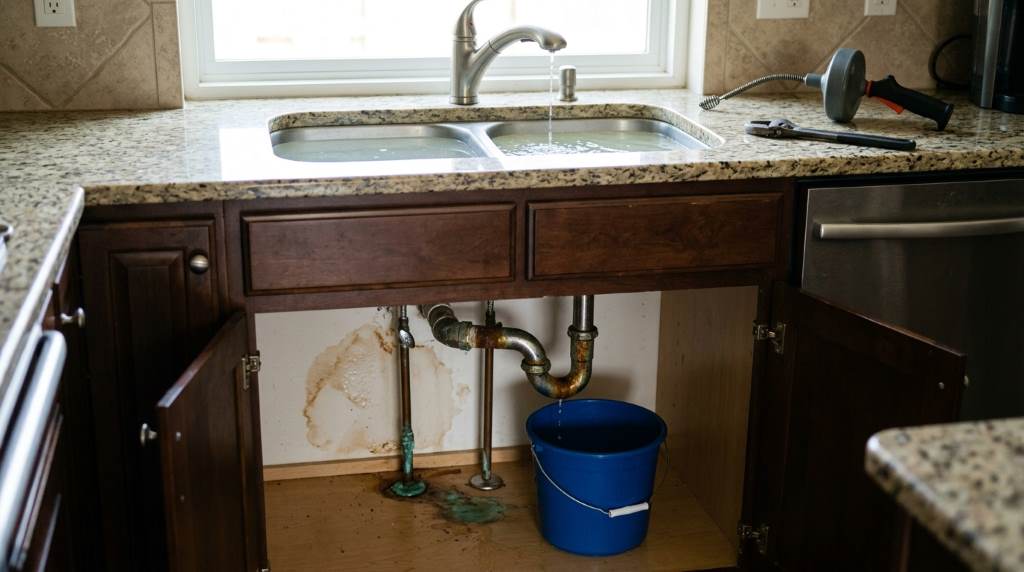
Dallas homeowners often deal with unique plumbing challenges due to shifting soil, extreme heat, and occasional cold snaps. In fact, studies show that nearly 15% of homeowners experience hidden leaks each year, while fluctuating temperatures can increase pipe stress by up to 30%. Because of this, spotting issues early can save thousands in repair costs. Many problems begin quietly, including subtle pressure changes or unusual sounds. Homeowners who understand the signs of trapped air in pipes can prevent major damage. This guide explains what to watch for and how to act before small issues become expensive repairs.
Why Early Detection Matters in Dallas Homes
Dallas sits on expansive clay soil, which expands when wet and shrinks during dry spells. As a result, plumbing lines often shift, causing stress on joints and connections. Over time, this movement can lead to leaks or pipe misalignment. Early detection allows homeowners to fix minor issues before they escalate into structural damage. Additionally, water waste from unnoticed leaks can significantly increase utility bills. Taking early action protects both your home and your finances.
Extreme temperature swings in Dallas also play a key role in plumbing problems. During hot summers, pipes can expand and weaken, especially if they are older. Then, sudden cold snaps can cause rapid contraction, leading to cracks or bursts. Because of these conditions, even newer homes are not immune to plumbing issues. Recognizing early warning signs helps reduce the risk of sudden emergencies. This awareness gives homeowners more control over maintenance and repair timing.
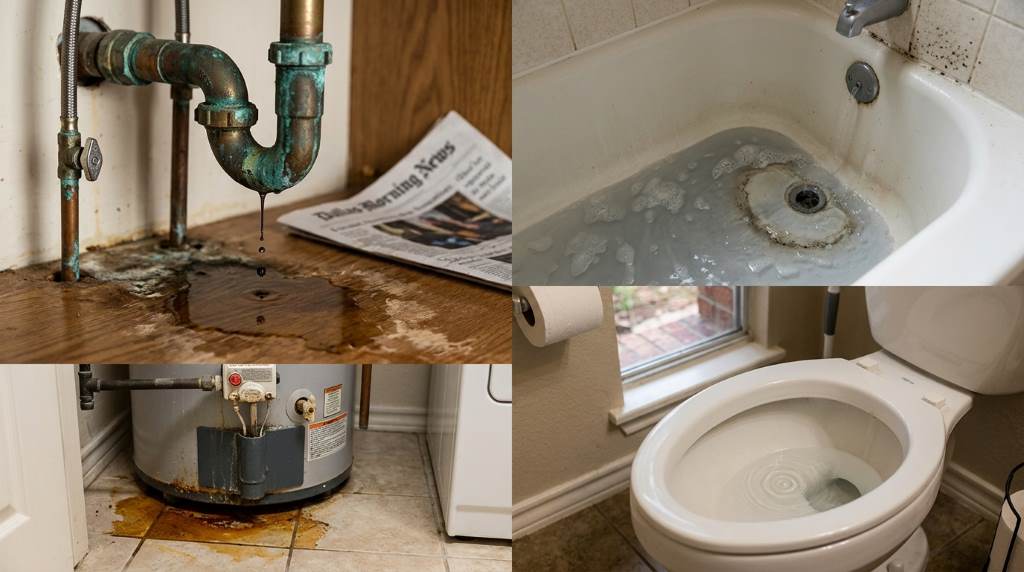
Ignoring small plumbing problems often leads to bigger complications. For example, a slow leak can weaken foundations over time, especially in clay-rich soil. Additionally, moisture buildup encourages mold growth, which affects indoor air quality. These issues not only cost more to fix but can also impact health. Therefore, early detection plays a critical role in maintaining a safe living environment. Staying proactive helps avoid stress and unexpected repair costs.
Common Early Warning Signs of Plumbing Trouble
Unusual Noises in Pipes
Strange sounds in pipes often indicate underlying issues that should not be ignored. Homeowners may hear banging, whistling, or gurgling when using water fixtures. These noises usually signal pressure imbalances or air trapped inside the system. In Dallas homes, shifting foundations can worsen these conditions over time. Addressing these sounds early prevents further damage to pipes and fixtures. Regular inspection helps identify the source quickly.
Banging noises, often called water hammer, occur when water flow suddenly stops or changes direction. This pressure surge can damage pipe joints and valves if left unchecked. Meanwhile, whistling sounds may suggest restricted flow due to mineral buildup or partial blockages. Gurgling noises usually point to drainage issues or venting problems. Each of these sounds serves as a warning sign that requires attention. Ignoring them often leads to costly repairs later.
Low Water Pressure
Low water pressure is one of the most noticeable signs of plumbing trouble. It can affect daily activities such as showering, washing dishes, and doing laundry. In many cases, mineral deposits or hidden leaks cause this issue. Dallas water often contains minerals that can build up inside pipes over time. This buildup restricts flow and reduces efficiency. Addressing the problem early restores proper water pressure and prevents further complications.
Sometimes, low pressure may indicate a more serious issue like a slab leak. These leaks occur beneath the foundation and can remain undetected for long periods. As water escapes, pressure throughout the system decreases. Additionally, shifting soil can damage underground pipes, worsening the problem. Regular monitoring helps detect these issues before they become severe. Prompt action can save both water and money.
Slow Drains
Slow drains often signal blockages forming within pipes. These blockages may consist of grease, hair, soap residue, or debris. Over time, they restrict water flow and cause backups. In Dallas homes, older plumbing systems are especially vulnerable to this issue. Addressing slow drains early prevents complete clogs and potential pipe damage. Routine cleaning helps maintain proper drainage.
Ignoring slow drains can lead to more serious problems. For instance, pressure buildup behind a blockage can weaken pipes. Eventually, this may result in leaks or bursts. Additionally, stagnant water creates unpleasant odors and encourages bacterial growth. These conditions affect both comfort and hygiene. Taking early action ensures a healthier and more efficient plumbing system.
Water Discoloration
Discolored water often indicates corrosion or contamination within pipes. Homeowners may notice brown, yellow, or cloudy water coming from taps. This issue commonly occurs in older homes with aging pipes. In Dallas, mineral-rich water can accelerate corrosion over time. Addressing discoloration early helps prevent pipe failure and ensures safe water quality. Regular inspections are essential for identifying the cause.
Sometimes, discoloration may result from sediment buildup in water heaters. This buildup affects water clarity and efficiency. Flushing the system regularly helps remove sediment and restore performance. Additionally, replacing old pipes may be necessary in severe cases. Early detection allows homeowners to take appropriate action. Maintaining clean water is essential for health and safety.
Environmental Factors Affecting Dallas Plumbing
Soil Movement and Foundation Shifts
Dallas soil expands and contracts with moisture changes, creating pressure on underground pipes. This movement can cause pipes to bend, crack, or disconnect over time. As a result, leaks may develop beneath the foundation. These issues often go unnoticed until significant damage occurs. Early detection helps prevent costly repairs and structural problems. Regular inspections are key to identifying risks.
Foundation shifts can also affect indoor plumbing systems. Pipes connected to fixtures may become misaligned, causing leaks or reduced efficiency. Homeowners may notice uneven floors or cracks in walls as warning signs. These indicators often accompany plumbing issues. Addressing both structural and plumbing concerns ensures long-term stability. Ignoring them can lead to extensive damage.
Temperature Fluctuations
Dallas experiences extreme temperature changes that impact plumbing systems. During hot summers, pipes expand and weaken over time. Then, sudden cold weather can cause contraction and potential cracking. This cycle increases the risk of leaks and bursts. Homeowners should monitor pipes for signs of stress or damage. Preventive measures help reduce the impact of temperature changes.
Insulating pipes is one effective way to protect against temperature extremes. This step helps maintain consistent conditions within the plumbing system. Additionally, sealing gaps around pipes prevents exposure to cold air. Regular maintenance ensures pipes remain in good condition year-round. These actions reduce the likelihood of unexpected failures. Taking preventive steps saves time and money.
Hidden Signs That Often Go Unnoticed
Unexpected Increase in Water Bills
A sudden rise in water bills often signals hidden leaks. Even small leaks can waste significant amounts of water over time. In Dallas, where water costs can fluctuate, this issue becomes more noticeable. Monitoring monthly usage helps identify unusual patterns. Early detection allows for quick repairs and cost savings. Ignoring this sign can lead to larger problems.
Hidden leaks may occur in walls, floors, or underground pipes. These leaks often remain undetected until damage becomes visible. Moisture buildup can weaken structures and encourage mold growth. This creates additional repair costs and health concerns. Regular inspections help uncover hidden issues early. Staying vigilant protects both your home and your budget.
Damp Spots and Mold Growth
Damp spots on walls, ceilings, or floors indicate potential leaks. These areas may feel soft or show discoloration over time. In Dallas humidity, moisture can quickly lead to mold growth. Mold not only damages surfaces but also affects indoor air quality. Addressing damp spots early prevents further damage. Proper ventilation and repairs help maintain a healthy environment.
Mold growth often appears as dark patches or musty odors. These signs should never be ignored. They usually indicate ongoing moisture issues within the plumbing system. Removing mold without fixing the source only provides temporary relief. Identifying and repairing leaks is essential for long-term solutions. Regular checks help keep your home safe.
Practical Steps to Prevent Plumbing Problems
Regular Maintenance Checklist
Keeping a consistent maintenance routine helps prevent plumbing issues before they start. Homeowners should inspect pipes, fixtures, and appliances regularly. This proactive approach reduces the risk of unexpected failures. Additionally, routine maintenance extends the lifespan of plumbing systems. Small efforts can lead to significant savings over time.
Here are simple maintenance steps to follow:
- Check for leaks under sinks and around fixtures
- Inspect visible pipes for corrosion or damage
- Clean drains to prevent buildup
- Monitor water pressure regularly
- Flush water heaters annually
Following these steps ensures your plumbing system remains in good condition. Consistency is key to avoiding costly repairs.
Related:
How to Find an Affordable Stair Vacuum Cleaner That Actually Works
How to Use Painter’s Tape Like a Pro for Clean Paint Jobs
When to Call a Professional
Some plumbing issues require expert attention. While minor problems can be handled at home, complex issues need professional tools and knowledge. For example, slab leaks or major blockages should be addressed by licensed plumbers. Attempting DIY fixes may worsen the situation. Knowing when to call a professional prevents further damage.
Professional plumbers can diagnose issues accurately and provide effective solutions. They use advanced equipment to detect hidden problems. Additionally, they ensure repairs meet local building codes. This level of expertise provides peace of mind. Investing in professional services often saves money in the long run.
Conclusion
Recognizing early warning signs of plumbing trouble in Dallas homes can prevent major damage and costly repairs. From unusual noises to rising water bills, each sign offers valuable insight into your system’s condition. By staying proactive and addressing issues early, homeowners can maintain efficient and reliable plumbing. Regular maintenance and timely professional help play a crucial role in long-term performance. Do not wait for small problems to become emergencies. Take action today to protect your home and ensure a safe, comfortable living environment.
FAQs
What are the most common plumbing issues in Dallas homes?
Common issues include leaks, low water pressure, and pipe damage caused by soil movement and temperature changes.
How can I detect a hidden water leak?
Look for signs such as increased water bills, damp spots, or mold growth in unexpected areas.
Why do my pipes make noise?
Noisy pipes often indicate pressure issues, trapped air, or blockages within the system.
How often should I inspect my plumbing system?
It is best to inspect your plumbing system at least twice a year and after extreme weather changes.
When should I replace old pipes?
Replace pipes if you notice frequent leaks, corrosion, or discolored water, especially in older homes.