Imagine a scorching summer day, the sun blazing down on your mobile home, turning it into an oven. You’re worried about leaks, rising energy costs, and the wear and tear on your roof. I’ve been there, living in a mobile home in Arizona, where the relentless heat tested every roofing material we tried. That’s when I discovered cool seal for mobile home roof—a solution that transformed my home’s comfort and durability. In this post, I’ll share how cool seal coatings, like Kool Seal RV™ and Henry 887 Tropi-Cool, protect mobile homes, save energy, and extend roof life. Whether you’re battling UV rays or ponding water, this guide will educate, demonstrate, and fascinate you with practical insights. Let’s dive into why cool seal is a must-have for mobile home owners.
What Is Cool Seal for Mobile Home Roof?
Cool seal for mobile home roof refers to specialized coatings, like elastomeric roof coating or silicone roof coating, designed to protect and enhance mobile home roofs. These products, such as Kool Seal® Tundra™ Rubberized Roof Coating, create a rubber-like blanket of protection that seals and protects against harsh weather. They’re formulated to reflect sunlight, resist UV rays, and prevent leaks, making them ideal for mobile homes with flat or low-slope roofs.
Unlike traditional roofing materials like asphalt shingles or modified bitumen, cool seal coatings are applied as a liquid, forming a seamless, waterproof coating. My first experience with cool seal was a game-changer—after applying Henry 887 Tropi-Cool, my home stayed cooler, and I noticed a drop in energy costs. These coatings are versatile, working on metal roofs, rubber roofs, and even spray polyurethane foam surfaces. They’re a go-to for mobile home owners seeking durability and energy efficiency.
Why Mobile Homes Need Cool Seal Protection
Mobile home roofs face unique challenges—flat designs lead to ponding water, and exposure to UV rays accelerates wear. Without proper protection, roofs can develop leaks or peeling roof coating, costing thousands in repairs. Cool seal products, like Mobile Home Roof Coatings, address these issues by offering UV resistance and a water-tight seal. They’re engineered to handle the specific needs of mobile home siding and roof substrates.
In my case, ponding water was a constant headache until I applied a liquid rubber roof coating. The result? No more leaks and a roof that looked brand new. According to a 2023 study by the National Renewable Energy Laboratory, reflective roof coatings can reduce cooling costs by up to 20% in warm climates (source: https://www.nrel.gov/docs/fy23osti/84967.pdf). Cool seal’s ability to reflect sunlight makes it a smart choice for energy savings and long-term roof health.
Benefits of Using Cool Seal for Mobile Home Roofs
Cool seal coatings offer a range of advantages that make them stand out for mobile home owners. Here’s why they’re worth considering:
- Energy Efficiency: Reflects sunlight, reducing cooling costs.
- UV Resistance: Protects against UV rays, extending roof life.
- Waterproofing Capabilities: Prevents leaks and ponding water damage.
- Easy Application: Can be applied with a paint roller or airless paint sprayer.
- Versatility: Works on metal roofs, rubber roofs, and more.
These benefits translate to real savings. After applying Kool Seal® White Elastomeric Roof Coating, my energy bills dropped noticeably during summer. Additionally, the soap and water cleanup made the process hassle-free. Whether you’re dealing with roof seams or damaged building materials, cool seal provides a reliable, energy-saving formula that seals and protects.
How to Apply Cool Seal for Optimal Results
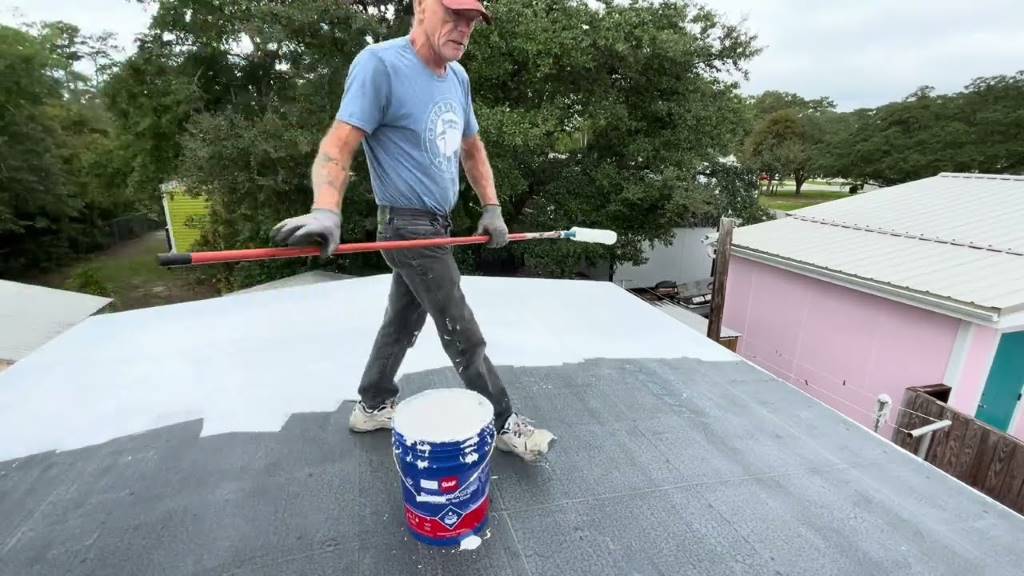
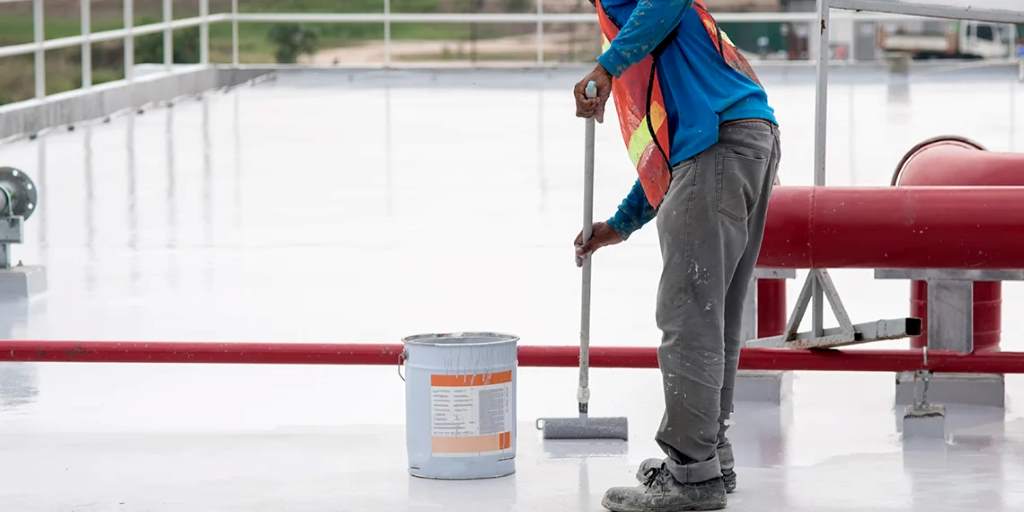
Applying cool seal for mobile home roof is straightforward but requires preparation. Start by cleaning the roof with a pressure cleaner to remove dirt and debris. Use a wire brush or putty knife to scrape off any peeling roof coating. If needed, apply a primer coat to ensure adhesion, especially on metal surfaces or asphalt shingles.
Next, use a paint roller or airless paint sprayer to apply the coating evenly. For example, JETCOAT All-Weather Roof Cement requires a dry film thickness of about 1/16 inch for optimal performance. Allow the coating to dry to recoat—typically 4-6 hours—before applying a second layer. My first attempt took a weekend, but the result was a durable, rain-safe roof. Always check the product page for specific instructions, like approximate coverage per gallon, to avoid waste.
Top Cool Seal Products for Mobile Home Roofs
Several cool seal products stand out for mobile home roofs. Here are the top picks based on performance and popularity:
- Kool Seal RV™: A premium RV elastomeric roof coating with excellent UV resistance.
- Henry 887 Tropi-Cool: A silicone white roof coating offering 3-year protection.
- Kool Seal® Tundra™ Rubberized Roof Coating: Ideal for rubber roofs and energy savings.
- JETCOAT All-Weather Roof Cement: Great for patching cement and roof seams.
Each product has unique strengths. For instance, Henry 887 Tropi-Cool’s moisture-cure coating ensures a water-tight seal, perfect for areas prone to heavy rain. I used Kool Seal® White Elastomeric Roof Coating for its dirt pick-up resistance, keeping my roof pristine. Check local store prices or inventory levels on platforms like Amazon’s Choice for availability.
Common Mistakes to Avoid When Using Cool Seal
Applying cool seal can be simple, but mistakes can reduce its effectiveness. Here are pitfalls to avoid:
- Skipping Surface Prep: Failing to clean or prime the roof leads to poor adhesion.
- Ignoring Weather Conditions: Applying in wet or humid conditions prevents proper curing.
- Over- or Under-Applying: Incorrect coverage per gallon affects durability.
- Using Wrong Tools: A roof brush works better than a standard paint roller for textured surfaces.
I learned this the hard way when I rushed application during a humid week, resulting in uneven drying. Always check the product page for details like dry to recoat time or full cure duration. Following these tips ensures a long-lasting, energy-saving aluminum sealant or rubber roof coating.
Cool Seal vs. Traditional Roofing Materials
Cool seal coatings differ significantly from traditional options like modified bitumen or built-up roofing. While asphalt shingles or metal single ply require complex installation, cool seal is a liquid-applied coating system that’s easier to use. It’s also more cost-effective, with products like Tundra™ Silicone Rubberized Gray Roof Coating offering solar reflective sealant properties.
Traditional materials often lack the flexibility of elastomeric white roof coating, which adapts to roof movement. In my experience, cool seal outperformed patching cement for sealing leaks on my mobile home’s EPDM RV roof. Its ability to handle ponding water resistance and UV rays makes it a superior choice for mobile homes compared to heavier, less adaptable materials.
How Cool Seal Boosts Energy Efficiency
Cool seal’s energy-saving formula is a major draw for mobile home owners. By reflecting sunlight, coatings like Kool Seal® White Elastomeric Roof Coating reduce heat absorption, keeping interiors cooler. This can lower energy costs significantly, especially in hot climates. The National Renewable Energy Laboratory notes that reflective coatings can cut cooling energy use by 10-20% (source: https://www.nrel.gov/docs/fy23osti/84967.pdf).
In my mobile home, the difference was clear—after applying an energy-saving aluminum sealant, my AC ran less frequently. Products like Henry 887 Tropi-Cool also offer dirt pick-up resistance, maintaining reflectivity over time. For commercial buildings or residential buildings, this translates to long-term savings and a more comfortable living space.
Where to Buy Cool Seal for Mobile Home Roofs
Cool seal products are widely available, both online and in-store. Platforms like Amazon offer UPS Ground or LTL Freight shipping for products like Kool Seal RV™. Local home improvement stores often stock Henry201 Fibered Black Asphalt Roof Coating or similar options—check inventory levels before visiting.
I found great deals online, with some products marked as Amazon’s Choice for fast delivery. For special orders or specific colors like aluminum color, check the product page for details. Many retailers also offer apps to track local store prices or download special values, making it easy to find cost-effective options for your mobile home roof.
Why Cool Seal Is a Smart Investment
Cool seal for mobile home roof is more than just a coating—it’s a shield against UV rays, leaks, and high energy costs. Products like Kool Seal® Tundra™ Rubberized Roof Coating and Henry 887 Tropi-Cool deliver durability, energy efficiency, and easy application. My experience in Arizona proved their worth, turning a leaky, heat-trapping roof into a cool, protected surface. Whether you’re a DIY enthusiast or a mobile home owner seeking long-term savings, cool seal is a game-changer. Ready to protect your roof? Share your thoughts or experiences in the comments below, or spread the word by sharing this guide!
FAQs
What is the best cool seal product for mobile home roofs?
Kool Seal RV™ and Henry 887 Tropi-Cool are top choices for their UV resistance and waterproofing capabilities.
How long does cool seal last on a mobile home roof?
Most cool seal coatings, like Henry 887 Tropi-Cool, offer 3-year protection with proper application.
Can I apply cool seal myself?
Yes, with tools like a paint roller or airless paint sprayer, DIY application is straightforward after proper surface prep.
Does cool seal really save energy?
Yes, reflective coatings can reduce cooling costs by up to 20%, per the National Renewable Energy Laboratory.
Is cool seal suitable for all mobile home roof types?
It works on metal roofs, rubber roofs, and EPDM RV roofs, but always check product compatibility.