Smart thermostats revolutionize home heating, offering tailored comfort and energy savings. The benefits of a smart thermostat for zoned heating include precise temperature control, reduced energy bills, and enhanced convenience. Imagine warming your bedroom while keeping the living room cooler, all managed from your phone. According to the U.S. Department of Energy, smart thermostats can save up to 10% on heating costs annually. This post explores how these devices optimize zoned heating, sharing practical insights and personal experiences to help you decide if they’re right for your home. Read on to learn how they transform comfort and efficiency.
What Is a Smart Thermostat for Zoned Heating?
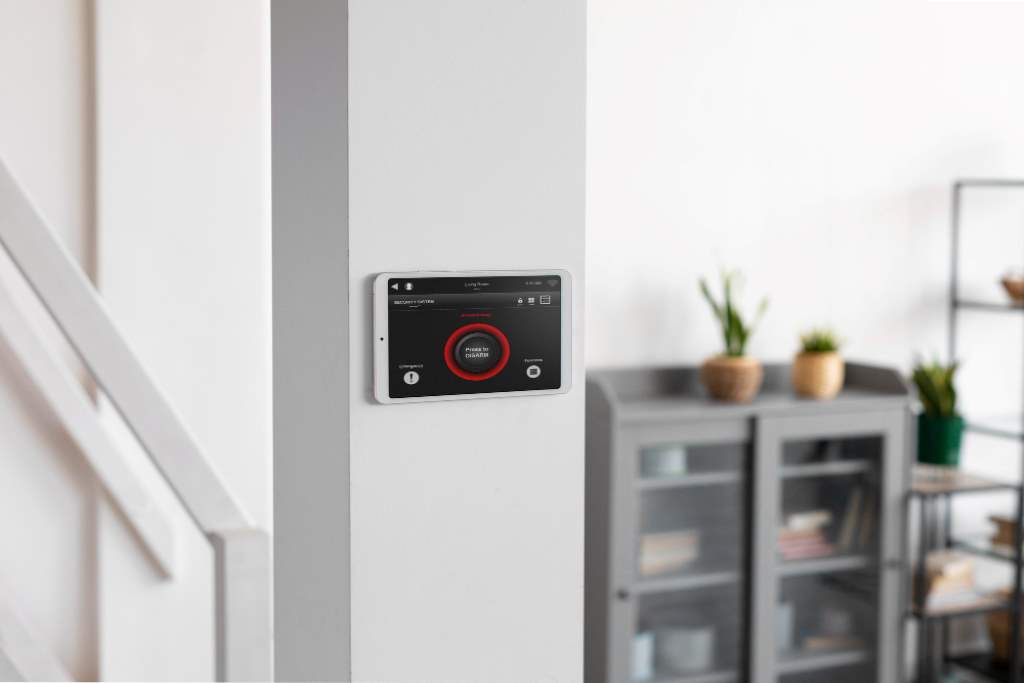
A smart thermostat for zoned heating controls different areas of your home independently. Unlike traditional thermostats, these devices connect to Wi-Fi, allowing remote management via apps. Zoned heating divides your home into sections, each with customized temperature settings. For example, you can heat only occupied rooms, saving energy elsewhere.
This technology integrates with HVAC systems and uses sensors to monitor temperatures. Some models learn your habits, adjusting settings automatically. According to Energy Star, homes with zoned heating systems can reduce energy use by 20–30%. My family installed a smart thermostat last winter, and we noticed immediate comfort improvements. Bedrooms stayed cozy while unused spaces remained cooler, cutting our energy bill noticeably.
Energy Efficiency and Cost Savings
One major benefit of a smart thermostat for zoned heating is energy efficiency. By heating only specific zones, you avoid wasting energy on empty rooms. For instance, you can lower the temperature in guest rooms while keeping the kitchen warm. The U.S. Environmental Protection Agency states that smart thermostats can save $50–$100 annually on energy bills.
Additionally, these devices provide usage reports, helping you track and optimize consumption. In my home, we reduced our heating costs by 15% after installing a zoned system. Transitioning to precise control feels empowering, as you actively cut waste. Moreover, many utility companies offer rebates for smart thermostat installations, further boosting savings. Regularly updating your settings ensures maximum efficiency.
Key Energy-Saving Features
- Learning Algorithms: Adjusts temperatures based on your routine.
- Remote Access: Control settings from anywhere using a smartphone.
- Usage Reports: Track energy consumption to identify savings opportunities.
Enhanced Comfort and Customization
Smart thermostats excel at delivering personalized comfort. With zoned heating, you can set different temperatures for each room. For example, keep your home office warm during work hours while cooling the bedrooms. This flexibility eliminates the one-size-fits-all approach of traditional systems.
Moreover, smart thermostats adapt to your schedule. If you prefer a warmer bathroom in the morning, the system adjusts automatically. In my experience, our smart thermostat transformed chilly evenings. We set the living room to 72°F while keeping upstairs cooler, creating a cozy atmosphere. A 2023 study by the National Renewable Energy Laboratory found that zoned heating improves comfort satisfaction by 25%. Therefore, you enjoy a tailored environment without constant adjustments.
Convenience and Smart Home Integration
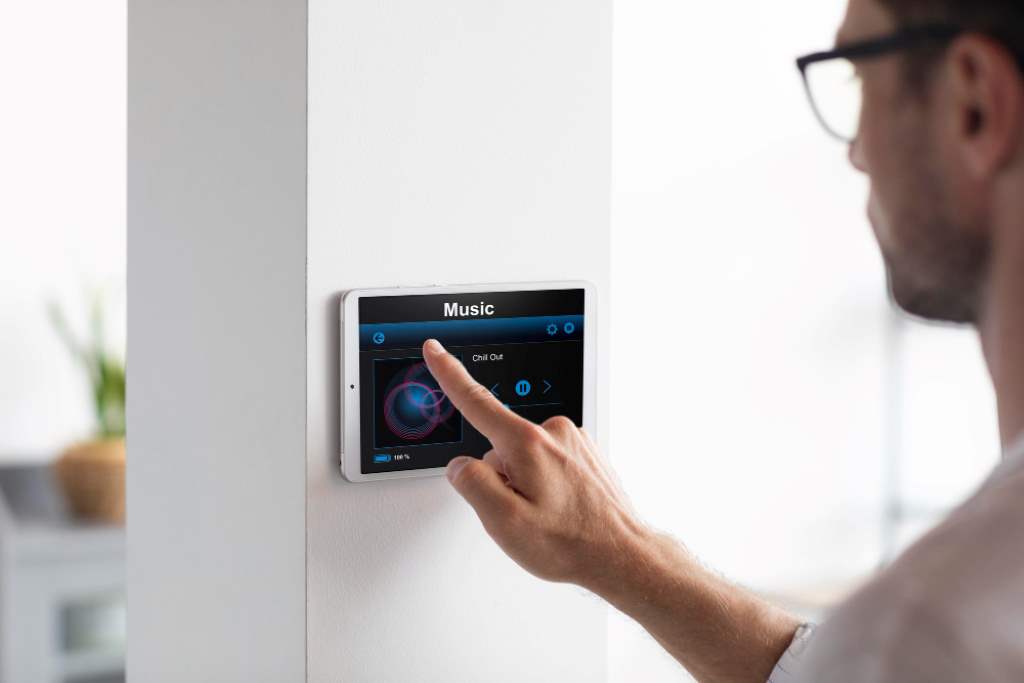
Another benefit of a smart thermostat for zoned heating is seamless integration with smart home ecosystems. These devices connect with platforms like Amazon Alexa or Google Home, allowing voice control. You can say, “Set the bedroom to 68°F,” and it’s done. Additionally, smartphone apps let you adjust settings remotely, perfect for unexpected schedule changes.
For instance, I once forgot to lower the heat before a weekend trip. Using the app, I adjusted it from miles away, saving energy. Many models also sync with weather forecasts, optimizing heating based on external conditions. This convenience simplifies life, especially for busy households. Transitioning to a connected system feels effortless and modern.
Top Smart Home Integrations
- Voice Assistants: Control with Alexa, Google Assistant, or Siri.
- Smart Sensors: Detect occupancy for automatic adjustments.
- App Control: Manage settings from anywhere, anytime.
Environmental Impact and Sustainability
Using a smart thermostat for zoned heating supports eco-friendly living. By reducing energy waste, you lower your carbon footprint. Heating accounts for 29% of household energy use, per the U.S. Energy Information Administration. Zoned systems cut unnecessary consumption, aligning with sustainable practices.
Furthermore, optimizing energy use reduces strain on power grids, especially during peak winter months. In my home, we felt good knowing our smart thermostat helped the environment. Pairing it with renewable energy sources, like solar, amplifies the impact. Consequently, adopting this technology contributes to a greener planet while maintaining comfort.
Installation and Maintenance Considerations
Installing a smart thermostat for zoned heating requires planning but is straightforward. Most systems need professional installation to integrate with existing HVAC setups. Costs vary, typically ranging from $200 to $1,000, depending on complexity. However, the long-term savings justify the investment.
Maintenance is minimal, involving occasional software updates and sensor checks. I learned to clean our thermostat’s sensors monthly to ensure accuracy. If you’re tech-savvy, DIY installation is possible for some models, but always follow manufacturer guidelines. Regular updates keep the system running smoothly, ensuring consistent performance.
Potential Drawbacks and Solutions
While the benefits of a smart thermostat for zoned heating are significant, there are challenges. Initial costs can be high, especially for multi-zone setups. However, rebates and long-term savings offset this. Another issue is compatibility with older HVAC systems, which may require upgrades.
Additionally, learning to use the app or settings can feel overwhelming initially. In my case, it took a week to master our thermostat’s features, but the effort paid off. To address compatibility, consult a professional before purchasing. Most brands, like Nest or Ecobee, offer support resources. Therefore, with proper planning, these drawbacks become manageable.
Conclusion
The benefits of a smart thermostat for zoned heating transform how you manage home comfort. From energy savings to personalized temperature control, these devices offer unmatched convenience and efficiency. My family’s experience shows how they enhance daily life while cutting costs. By integrating with smart home systems and reducing environmental impact, they align with modern, sustainable living. Whether you’re upgrading your home or seeking lower bills, a smart thermostat is a wise choice. Explore options at xAI’s energy-saving tips to start your journey. Share your thoughts or experiences in the comments below, or spread the word by sharing this article!
FAQs
Why should I choose a smart thermostat for zoned heating?
It saves energy, customizes comfort, and reduces bills by heating only occupied areas.
How much can I save with a smart thermostat?
You can save $50–$100 annually, depending on usage and system efficiency.
Are smart thermostats hard to install?
Professional installation is recommended, but some models support DIY with proper guidance.
Can a smart thermostat work with older HVAC systems?
Compatibility varies; consult a professional to ensure your system supports zoned heating.
Do smart thermostats require frequent maintenance?
They need minimal maintenance, like software updates and occasional sensor cleaning.