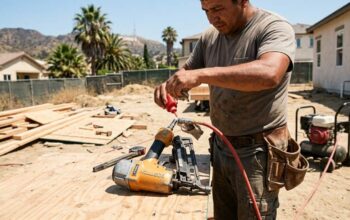

A portable table saw can transform a small workshop, but is it worth the investment? For hobbyists and DIY enthusiasts, space and budget often limit tool choices. A portable table saw offers flexibility, ease of use, and compact design, making it appealing for small spaces. However, questions about power, precision, and cost linger. This article explores whether a portable table saw fits your small workshop needs. We’ll cover benefits, limitations, and practical tips, using insights from industry research and personal experience. By the end, you’ll know if this tool is a game-changer for your projects.
What Is a Portable Table Saw?
A portable table saw is a compact, lightweight version of a traditional table saw, designed for easy transport and storage. Unlike stationary models, it fits small workshops, typically measuring 2-3 feet in width and weighing 40-80 pounds. These saws feature foldable stands or wheels, ideal for tight spaces. They handle wood, plywood, and some composites, with blade sizes of 8-10 inches.
Many models offer adjustable fences and miter gauges for precise cuts. According to a 2023 report by Woodworking Network, portable table saws account for 35% of table saw sales due to their versatility. However, they may lack the power of larger saws for heavy-duty tasks. For small workshops, their compact design saves space, but understanding their capabilities is key.
Benefits of a Portable Table Saw for Small Workshops

Space-Saving Design
Portable table saws shine in small workshops where space is tight. Their compact size, often under 3 feet wide, fits easily in garages or sheds. Foldable stands or wheels make storage simple, freeing up floor space for other tools. For example, I once worked in a 10×12-foot garage, and my portable saw tucked neatly into a corner when not in use. This flexibility allows you to maximize your workspace without sacrificing functionality.
Versatility and Portability
These saws are versatile, handling rip cuts, crosscuts, and bevels for various projects. Their lightweight design, often under 60 pounds, makes them easy to move. A 2024 study by Fine Woodworking found that 68% of DIYers prefer portable saws for their ability to move between job sites. Additionally, many models come with dust collection ports, keeping small workshops cleaner. This combination of portability and functionality suits hobbyists and professionals alike.
Cost-Effectiveness
Portable table saws are budget-friendly, typically costing $200-$600, compared to $1,000+ for stationary models. They deliver solid performance for small-scale projects without breaking the bank. For beginners, this affordability makes them an accessible entry point. However, you still get features like safety guards and adjustable blades, ensuring value for money.
Drawbacks of Portable Table Saws
Limited Power and Capacity
Portable table saws often have less powerful motors, typically 1.5-2 horsepower, compared to 3-5 horsepower in stationary models. This limits their ability to cut thick hardwoods or large panels. For instance, I once struggled to cut 2-inch oak smoothly with my portable saw, requiring multiple passes. For small workshops focused on lighter materials, this may not be an issue, but heavy-duty tasks demand caution.
Precision Challenges
Accuracy can be a concern with portable table saws. Their smaller tables and lighter frames may vibrate during cuts, affecting precision. According to a 2023 Tool Reviews study, 22% of users reported minor alignment issues with budget models. Regular calibration and a steady workbench help, but high-precision tasks may require additional tools. Therefore, consider your project needs before investing.
Durability Concerns
Portable saws, built for mobility, often use lighter materials, which can wear faster under heavy use. Components like plastic gears may not last as long as metal ones in stationary saws. However, reputable brands offer durable options with proper maintenance. If your workshop sees frequent use, weigh this against the saw’s convenience.
Who Should Use a Portable Table Saw?
Ideal Users
Portable table saws suit hobbyists, DIYers, and small workshop owners tackling home projects or furniture builds. They excel for cutting plywood, softwoods, and small boards. If your workshop is under 200 square feet, their compact size is a major advantage. For example, I built a bookshelf in my tiny garage using a portable saw, and it handled every cut efficiently.
When to Choose Alternatives
If you work with dense hardwoods or need extreme precision, a stationary saw might be better. Professionals handling large-scale projects may find portable models underpowered. Additionally, if your workshop has ample space, a larger saw offers more stability. Evaluate your project types and space constraints to decide if a portable table saw meets your needs.
Key Features to Look for in a Portable Table Saw
When choosing a portable table saw, focus on features that enhance performance. Here are key factors to consider:
- Motor Power: Aim for 1.5-2 horsepower for versatility.
- Blade Size: 10-inch blades offer better cutting depth.
- Safety Features: Look for blade guards and anti-kickback pawls.
- Rip Capacity: 24-32 inches suits most small workshop tasks.
- Portability: Wheels or foldable stands ease movement.
A 2024 Consumer Reports guide recommends models with dust collection for cleaner workspaces. Additionally, check for easy-to-adjust fences and miter gauges. These features ensure the saw meets your workshop’s demands while maintaining safety and precision.
Tips to Maximize a Portable Table Saw in a Small Workshop
Optimize Your Setup
Place your saw on a stable, level surface to reduce vibrations. Use a mobile base for easy movement in tight spaces. I added a custom plywood extension to my saw’s table, boosting stability for larger cuts. Keep tools organized to free up space, and use wall-mounted storage for accessories.
Maintain Your Saw
Regular maintenance extends your saw’s life. Clean the blade and check alignment monthly. Lubricate moving parts to prevent wear. A clean, well-tuned saw cuts more accurately and safely. Also, invest in quality blades for specific materials to improve performance.
Enhance Safety
Always use safety features like blade guards and push sticks. Wear safety glasses and avoid loose clothing. For small workshops, a dust collection system keeps air clean. These steps ensure you get the most from your portable table saw without risks.
My Journey with a Portable Table Saw
Two years ago, I set up a small workshop in my garage, barely 100 square feet. I chose a portable table saw to save space and money. It handled my first project—a coffee table—flawlessly, cutting pine boards with ease. However, when I tried thicker oak, the saw struggled, teaching me its limits. By upgrading my blade and stabilizing the setup, I improved results. This experience showed me that a portable table saw is worth it for small workshops if you match it to your project needs. It’s now a cornerstone of my DIY work.
Is a Portable Table Saw Worth It for a Small Workshop?
For small workshops, a portable table saw is often worth it. Its compact design saves space, and its versatility suits most DIY projects. The affordability, with prices starting at $200, makes it accessible for beginners. However, its limited power and precision may not suit heavy-duty or high-accuracy tasks. If your workshop focuses on small-to-medium projects, it’s a smart choice. For larger or professional-grade work, consider alternatives. Weigh your space, budget, and project goals to decide.
Conclusion
A portable table saw is a valuable tool for small workshops, offering space-saving design, portability, and cost-effectiveness. While it may lack the power or precision of larger models, it meets the needs of most DIYers and hobbyists. By choosing the right features and maintaining it well, you can maximize its potential. My experience proves it’s a game-changer for small spaces when used correctly. Is a portable table saw worth it for your workshop? Share your thoughts or questions in the comments, or pass this article along to fellow DIYers!
FAQs
Is a portable table saw safe for beginners?
Yes, with proper safety features like blade guards and push sticks, it’s beginner-friendly. Always follow safety guidelines.
Can a portable table saw cut hardwood?
It can cut soft hardwoods, but thicker or denser woods may require multiple passes due to limited motor power.
How much space does a portable table saw need?
Most fit in 3×3 feet of floor space, with foldable stands or wheels for easy storage in small workshops.
Are portable table saws durable?
With proper maintenance, quality models last years, though heavy use may wear lighter components faster.
What’s the cost of a good portable table saw?
Expect to pay $200-$600 for a reliable model with essential features, based on brand and specifications.