
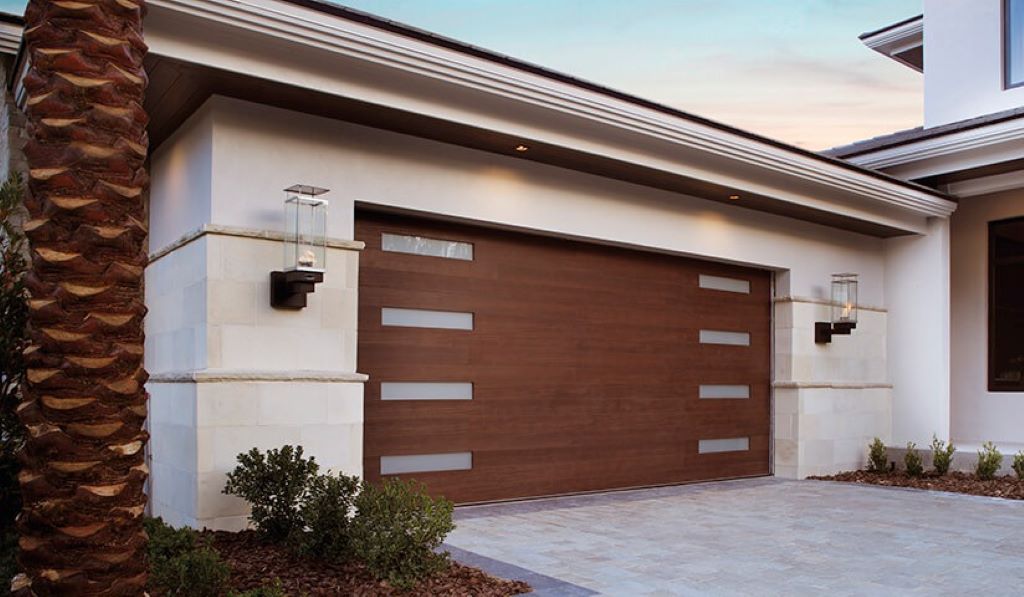
Selecting the perfect garage door for your Canadian home blends functionality with aesthetic appeal. Canadian weather, from harsh winters to humid summers, demands durable, insulated doors that withstand extreme conditions while enhancing curb appeal. Style matters too—your garage door should reflect your home’s character, whether modern or traditional. This guide educates you on key factors, demonstrates practical steps, and fascinates with design possibilities. With insights from industry research and personal experience, you’ll learn to balance weather resistance, insulation, and style. Ready to transform your home? Let’s explore how to choose a garage door that thrives in Canada’s climate and elevates your property’s look.
Understanding Canadian Weather Challenges for Garage Doors
Canada’s climate varies dramatically, from Alberta’s freezing winters to British Columbia’s wet coastal conditions. These extremes test garage doors, requiring materials that resist rust, warping, and energy loss. For example, temperatures in Winnipeg can drop to -30°C, while summers in Toronto hit 30°C with high humidity. According to a 2021 study by Natural Resources Canada, poorly insulated garage doors can increase home energy costs by up to 15%.
Steel and aluminum doors are popular for their durability against snow and rain, but they need proper insulation to prevent heat loss. Wooden doors, while stylish, may warp in humid regions like Ontario unless treated. My own experience replacing a warped wooden door in Vancouver taught me to prioritize weather-resistant coatings. Consider your region’s specific conditions—coastal areas need corrosion-resistant materials, while prairie homes require high insulation for temperature swings. Choose a door that matches your climate’s demands for long-term performance.
Evaluating Insulation for Energy Efficiency in Harsh Winters
Insulation is critical for garage doors in Canada, where winters can be brutal. A well-insulated door reduces heat loss, lowers energy bills, and keeps attached garages comfortable. The R-value measures insulation effectiveness—higher values indicate better thermal resistance. For Canadian homes, experts recommend an R-value of at least 12 for attached garages. A 2023 report from the Canadian Home Builders’ Association notes that insulated garage doors can reduce energy consumption by 10-20% in cold climates.
Polyurethane-insulated steel doors offer high R-values (up to 20) and resist denting, making them ideal for snowy regions. Polystyrene insulation is cheaper but less effective, with R-values around 6-10. When I installed a polyurethane-insulated door in Calgary, my garage stayed noticeably warmer, even during -25°C nights. Additionally, consider weatherstripping and seals to block drafts. Prioritize insulation if your garage connects to living spaces, as it directly impacts home comfort and energy costs.
Balancing Style with Architectural Harmony
Your garage door is a focal point, often covering 30% of your home’s facade. Choosing a style that complements your home’s architecture enhances curb appeal and property value. Modern homes suit sleek aluminum or glass-panel doors, while traditional homes pair well with carriage-style or wooden designs. In Canada, 60% of homeowners prefer steel doors for their versatility and low maintenance, per a 2022 survey by the Canadian Home Builders’ Association.
Consider color and texture to match your home’s exterior. Darker tones like charcoal suit contemporary designs, while wood-grain finishes add warmth to rustic homes. In my Ottawa neighborhood, switching to a carriage-style steel door transformed my home’s look, earning compliments from neighbors. However, avoid overly trendy designs that may date quickly. Visit showrooms or use online visualizer tools to preview styles. Ensure the door’s aesthetic aligns with your home’s character while meeting practical needs for durability and insulation.
Material Choices for Durability and Maintenance
Garage door materials impact longevity, maintenance, and cost. Steel is the most popular in Canada due to its strength and resistance to extreme weather. Galvanized steel with a powder-coated finish resists rust, ideal for coastal areas. Aluminum is lightweight and corrosion-resistant but less durable against impacts. Wood offers unmatched beauty but requires regular sealing to prevent warping in humid climates.
Fiberglass doors mimic wood’s look with less maintenance, though they’re pricier. Vinyl doors resist dents and rust but offer limited style options. My experience with a steel door in Edmonton proved its worth—five years later, it still looks new with minimal upkeep. According to Natural Resources Canada, steel doors last 20-30 years with proper care. Evaluate your budget and maintenance willingness. For low-maintenance needs, prioritize steel or fiberglass; for a classic look, invest in treated wood.
Key Features to Enhance Functionality and Security
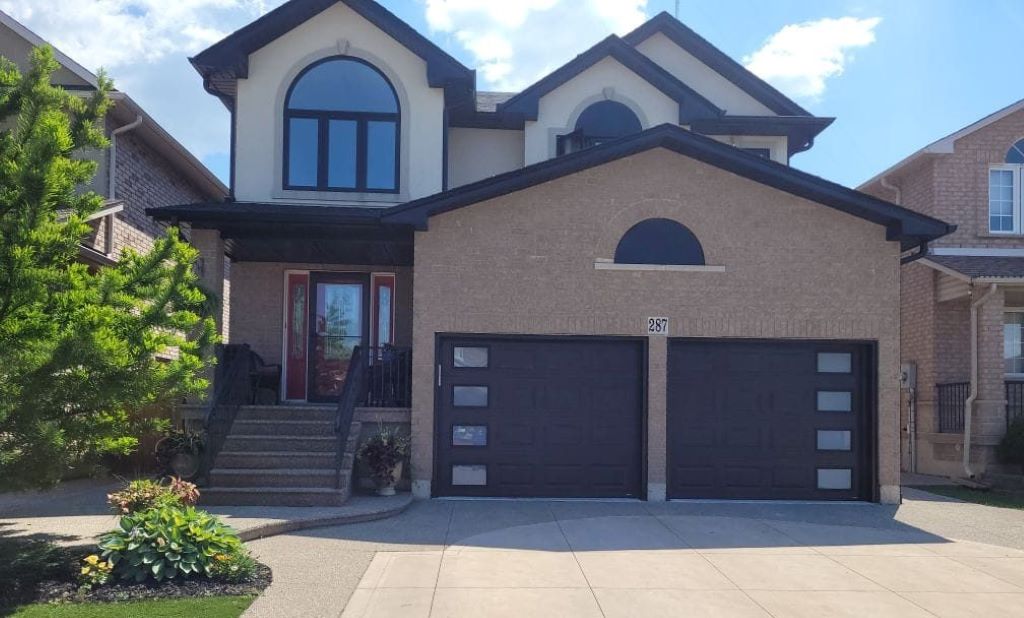
Modern garage doors offer features that boost convenience and safety. Insulated glass windows allow natural light while maintaining energy efficiency. Smart openers, compatible with apps like MyQ, let you control your door remotely—a game-changer during snowy commutes. Security features like rolling code technology prevent unauthorized access. In 2022, 25% of Canadian homeowners upgraded to smart garage systems, per the Canadian Home Builders’ Association.
Consider durability features like reinforced struts for high-wind areas or impact-resistant panels for hail-prone regions like Alberta. My smart opener in Toronto saved me from trudging through snow to open the garage manually. Additionally, look for warranties—reputable brands offer 5-15 years on parts. Compare features against your lifestyle needs. For example, families with kids may prioritize safety sensors. Choose features that balance convenience, security, and your region’s weather challenges.
Tips for Choosing the Perfect Garage Door
Selecting a garage door requires careful planning. Here are practical tips to guide your decision:
- Assess climate needs: Choose high R-value doors for cold regions like Manitoba.
- Match home style: Select designs that complement your home’s architecture.
- Prioritize durability: Opt for rust-resistant materials in coastal or humid areas.
- Check insulation: Aim for R-12 or higher for energy efficiency.
- Budget wisely: Balance upfront costs with long-term maintenance savings.
- Research brands: Look for warranties and customer reviews online.
- Test functionality: Ensure smart features suit your lifestyle.
These steps simplify the process, ensuring your door meets both practical and aesthetic needs. Avoid rushing—consult professionals or visit showrooms for hands-on insights.
Common Mistakes to Avoid When Selecting a Garage Door
Mistakes can lead to costly repairs or replacements. Here are pitfalls to steer clear of:
- Ignoring insulation: Low R-value doors increase energy bills in winter.
- Choosing style over function: Trendy designs may not suit harsh weather.
- Skipping maintenance checks: Wood doors need regular sealing to avoid warping.
- Overlooking warranties: Short warranties may signal lower quality.
- Neglecting local climate: Coastal homes need rust-resistant materials.
When I chose a cheap, uninsulated door for my first home, my heating costs spiked. Learn from my mistake—prioritize quality and climate compatibility to avoid regrets.
Conclusion
Choosing the right garage door for Canadian weather and style blends practicality with aesthetics. From battling harsh winters with insulated steel to enhancing curb appeal with carriage-style designs, your decision impacts energy efficiency, durability, and home value. By understanding your region’s climate, prioritizing insulation, and aligning style with architecture, you’ll find a door that excels in performance and beauty. My journey replacing doors across Canada taught me the value of research and quality investment. Use this guide to make a smart choice that withstands Canada’s elements while elevating your home’s look. Share your thoughts or questions in the comments below, or spread this article to help others choose wisely!
FAQs
What is the best material for garage doors in Canadian winters?
Steel with polyurethane insulation is ideal for durability and high R-values, keeping garages warm.
How does insulation affect garage door performance?
Higher R-value insulation reduces heat loss, lowers energy bills, and maintains comfort in attached garages.
Can I match a garage door to my home’s style?
Yes, choose modern aluminum or traditional carriage-style doors to complement your home’s architecture.
What features improve garage door security?
Smart openers with rolling code technology and safety sensors enhance security and convenience.
How long do garage doors last in Canada?
Quality steel doors last 20-30 years with proper maintenance, per Natural Resources Canada.
Read More:
Seasonal Upkeep for Thatched or Slate Roofs