
Want to grow fresh veggies year-round without spending a fortune? Building a DIY greenhouse from recycled materials is a budget-friendly, eco-conscious solution. With rising food prices, home gardening is booming—greenhouses extend growing seasons, even in colder climates. Using recycled items like old windows or plastic bottles reduces waste while keeping costs low. This guide walks you through creating a sustainable greenhouse, sharing practical tips and personal insights. Whether you’re a beginner or seasoned gardener, you’ll find clear steps to craft your own. Let’s dive into how to build a DIY greenhouse from recycled materials and start growing today!
Why Choose a DIY Greenhouse from Recycled Materials?
Building a DIY greenhouse from recycled materials saves money and helps the planet. Commercial greenhouses can cost thousands, but recycled materials cut expenses significantly. According to a 2023 study by the EPA, reusing materials reduces landfill waste by up to 30%. Plus, greenhouses let you grow food year-round, lowering grocery bills.
Additionally, this project fosters creativity. My first greenhouse used old patio doors, costing me just $50 in extra supplies. It wasn’t perfect, but it grew tomatoes all winter! Using items like scrap wood or discarded plastic gives your greenhouse character while promoting sustainability. Start small, and you’ll see the rewards quickly.
Materials You’ll Need
Gathering the right materials is key to success. Recycled items are everywhere if you know where to look. Check local salvage yards, online marketplaces, or neighbors’ curbs for usable goods. Here’s a list to get started:
- Old windows or glass doors: For walls and light.
- Plastic bottles or sheeting: For insulation or roofing.
- Scrap wood or pallets: For the frame.
- Screws, nails, or hinges: To secure parts.
- Caulk or sealant: For weatherproofing.
Therefore, plan your design based on available materials. For example, I found free windows at a renovation site, shaping my greenhouse’s size. According to a 2024 report by Habitat for Humanity, salvage yards divert 1.2 million tons of materials annually. Be resourceful, and you’ll save big.
Step-by-Step Guide to Building Your Greenhouse
Step 1: Plan Your Design
First, sketch your greenhouse layout. Consider size, location, and sunlight. A south-facing spot maximizes light. Measure available materials to avoid waste. My 8×10-foot greenhouse fit perfectly in my yard’s sunny corner, using salvaged windows.
Moreover, check local regulations. Some areas require permits for structures over 100 square feet. Planning prevents costly mistakes. Use graph paper or apps like SketchUp for precision. This step ensures your DIY greenhouse from recycled materials is functional and sturdy.
Step 2: Build the Frame
Next, construct the frame using scrap wood or pallets. Start with a level base—use bricks or cinder blocks if needed. Assemble the frame with screws for durability. I used pallet wood, which was free but required sanding for safety.
Furthermore, reinforce corners with braces. A strong frame withstands wind and snow. According to Fine Gardening, well-built greenhouses last 10–15 years. Test the frame’s stability before adding walls. This step is critical for a long-lasting DIY greenhouse from recycled materials.
Step 3: Add Walls and Roof
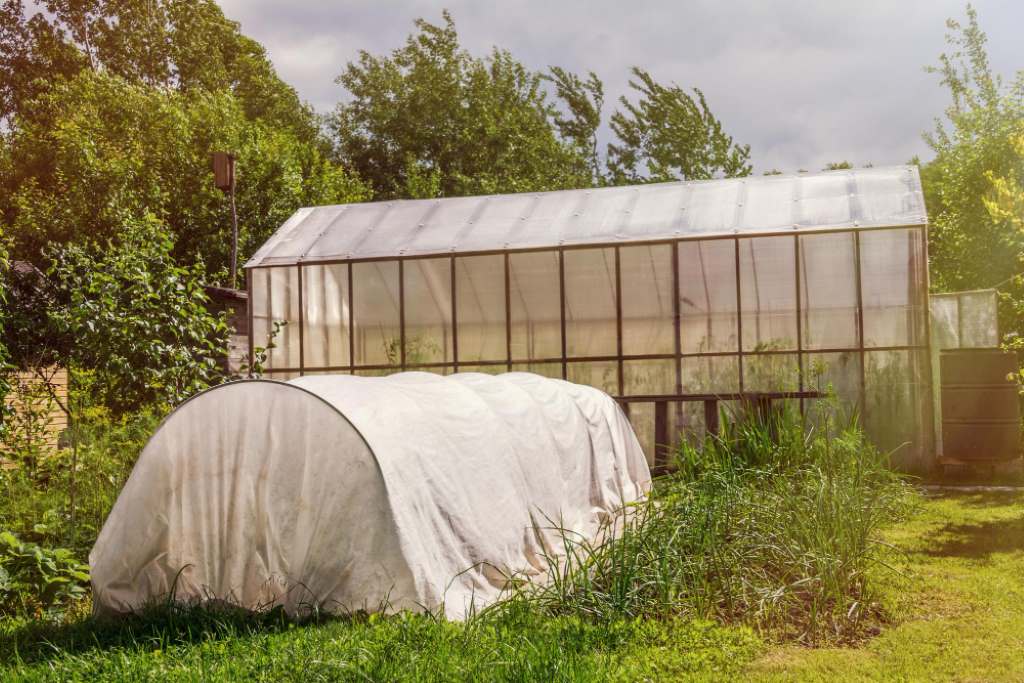
Now, attach recycled windows or plastic sheeting for walls. Secure glass with caulk to prevent leaks. For the roof, use clear plastic or polycarbonate panels for light. My greenhouse used old sliding doors, sealed tightly against rain.
Additionally, insulate gaps with foam or silicone. Proper sealing maintains warmth, extending your growing season. Ventilation is crucial—add a small window or vent. This step transforms your frame into a functional DIY greenhouse from recycled materials, ready for plants.
Step 4: Set Up the Interior
Finally, organize the interior. Add shelves or benches using scrap wood for plants. Gravel or tiles make a durable floor, easy to sweep. I installed drip irrigation from old hoses, saving water and time.
Moreover, consider heating options. A small compost pile generates natural heat, or use bubble wrap for insulation. These tweaks keep costs low while boosting efficiency. Your greenhouse is now ready to grow crops year-round, all from recycled materials.
Tips for Maintaining Your Greenhouse
Regular care keeps your greenhouse productive. Check seals monthly to prevent drafts. Clean windows to maximize sunlight. Pests can invade; inspect plants weekly and use natural sprays like vinegar. My first season taught me to act fast—aphids nearly ruined my peppers!
Additionally, monitor temperature. Fans or shade cloth help in summer, while blankets protect in winter. According to the University of California, proper maintenance boosts yields by 20%. With minimal effort, your DIY greenhouse from recycled materials will thrive for years.
Conclusion
Building a DIY greenhouse from recycled materials is a smart, sustainable way to grow fresh food. It’s affordable, eco-friendly, and rewarding. By reusing items like windows or pallets, you save money and reduce waste. This guide provides clear steps to create your own, inspired by my journey from scrap to success. Start small, plan carefully, and enjoy year-round harvests. Ready to grow your own food? Share your DIY greenhouse story in the comments or spread the word on social media. Let’s inspire others to build a DIY greenhouse from recycled materials!
FAQs
Can I Use Any Type of Recycled Plastic for My Greenhouse?
Yes, but choose clear or translucent plastics like bottles or sheeting for light transmission. Avoid colored plastics, as they block sunlight.
How Much Does a DIY Greenhouse from Recycled Materials Cost?
Costs vary, but using free materials, expect $50–$200 for extras like screws or sealant, far less than commercial kits.
Do I Need a Permit to Build a Greenhouse?
Check local laws. Structures under 250 square feet typically don’t need permits, but regulations differ by area.
How Do I Heat My Greenhouse in Winter?
Use compost piles for natural heat or insulate with bubble wrap. Small electric heaters work but raise costs.
What Plants Grow Best in a DIY Greenhouse?
Tomatoes, peppers, herbs, and leafy greens thrive. Choose varieties suited to your climate for best results.