
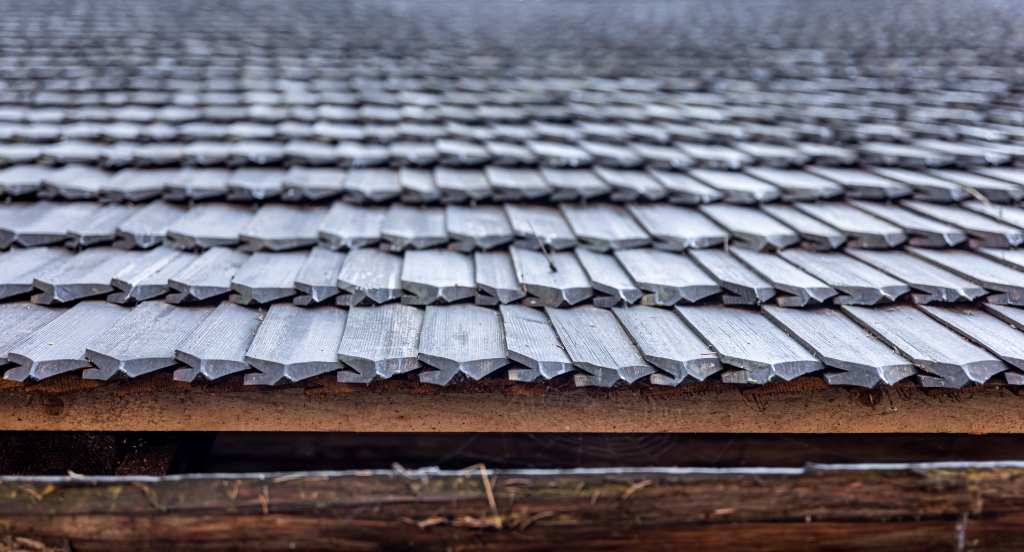
Imagine sipping tea in your cozy home, rain pattering on your thatched or slate roof, knowing it’s ready for any season. Seasonal upkeep for thatched or slate roofs is vital to protect your home’s charm and durability. These roofs, steeped in history, demand care to withstand weather changes. Whether it’s the rustic allure of thatch or the sleek elegance of slate, proper maintenance ensures longevity. This blog post shares a storytelling journey through seasonal upkeep, blending practical tips with my own experiences as a homeowner. From spring cleaning to winter prep, you’ll learn how to keep your roof strong. Ready to dive into the world of thatched and slate roof care?
Why Seasonal Upkeep Matters
Seasonal upkeep for thatched or slate roofs is more than a chore; it’s a commitment to your home’s legacy. Thatched roofs, woven from natural materials like straw, can last 15–25 years with care, while slate roofs, made of durable stone, can endure over a century. However, neglecting maintenance invites leaks, moss, or structural damage. According to a 2022 study by the National Roofing Contractors Association, 70% of roof failures stem from poor upkeep. Regular care prevents costly repairs and preserves aesthetic appeal.
My own thatched cottage taught me this lesson. One stormy autumn, I noticed damp patches after skipping inspections. A quick fix saved the day, but it was a wake-up call. Seasonal checks catch issues early, ensuring your roof weathers storms. By dedicating time each season, you protect your investment and maintain your home’s unique character.
Spring: Refresh and Inspect
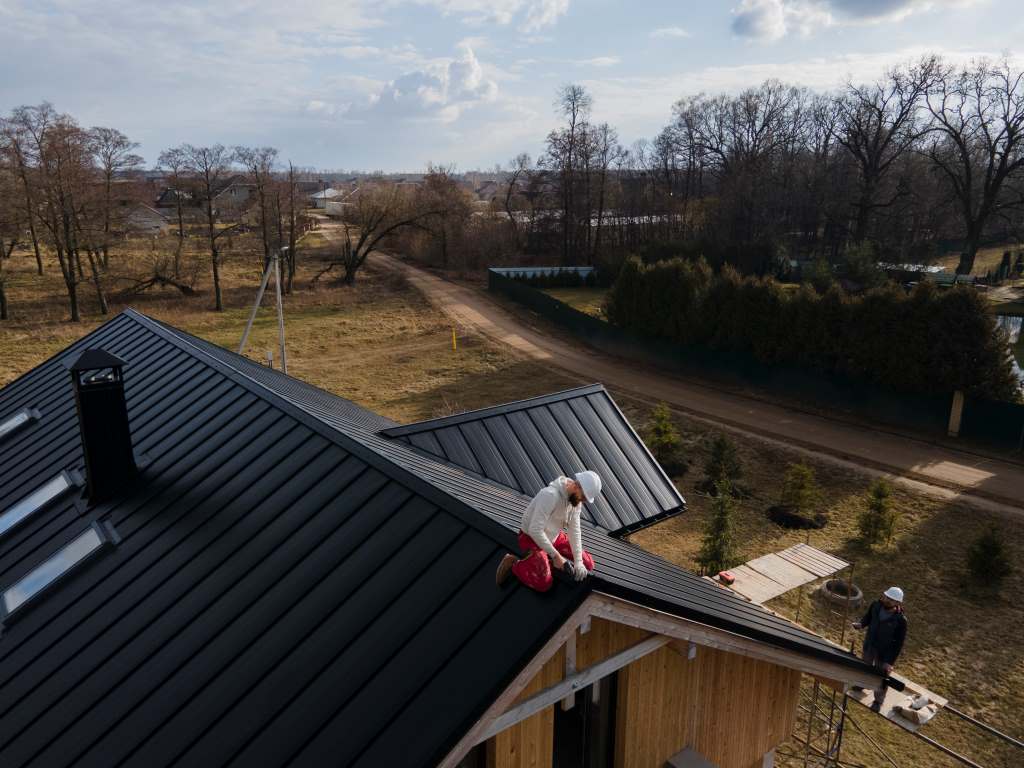
Spring is the perfect time to revive your thatched or slate roof after winter’s toll. For thatched roofs, check for thinning patches or animal nesting, which can weaken the structure. Slate roofs need inspection for cracked or missing tiles. Clear debris like leaves or twigs to prevent water pooling. According to a 2023 report by the Slate Roofing Contractors Association, 60% of slate roof damage occurs due to unaddressed debris.
Start with a visual check from the ground, using binoculars for safety. For thatch, hire a professional to re-ridge or patch weak spots. For slate, replace damaged tiles promptly. My spring routine includes clearing moss from my slate roof, which once saved me from a costly leak. Regular cleaning and minor repairs in spring set the stage for a robust roof year-round.
Tips for Spring Upkeep:
- Inspect for damage or wear.
- Clear debris to prevent blockages.
- Schedule professional checks for thatch.
Summer: Protect and Strengthen
Summer’s warmth offers a chance to fortify your thatched or slate roof. For thatched roofs, apply fire-retardant coatings to combat dry-season risks. Slate roofs benefit from sealing cracks to prevent water seepage. Ensure proper ventilation to avoid heat buildup, which can degrade materials. A 2021 study by the Building Research Establishment found that well-ventilated thatched roofs last 20% longer.
I learned this the hard way when summer heat warped a section of my thatch. A quick ventilation fix restored balance. Additionally, check for algae or lichen growth, which thrives in summer humidity. Use eco-friendly cleaners to maintain appearance without harming materials. Summer is also ideal for scheduling professional inspections, as dry weather simplifies repairs. Proactive care now ensures your roof shines through the season.
Summer Maintenance Checklist:
- Apply protective coatings for thatch.
- Seal slate cracks with appropriate materials.
- Ensure ventilation to reduce heat stress.
Autumn: Prepare for Storms
Autumn brings falling leaves and stormy weather, demanding robust roof prep. For thatched roofs, secure loose thatch and clear gutters to prevent water buildup. Slate roofs need checks for loose tiles or flashing damage. Debris accumulation can trap moisture, leading to rot or leaks. The National Trust for Historic Preservation notes that 80% of autumn roof damage is preventable with timely upkeep.
My autumn ritual includes raking leaves off my slate roof to avoid drainage issues. One year, a clogged gutter caused a minor leak, but quick action saved further damage. Trim overhanging branches to reduce debris and wind-related risks. For thatch, consider netting to deter birds. These steps ensure your roof withstands autumn’s challenges, keeping your home safe and dry as winter approaches.
Autumn Prep Steps:
- Clear gutters and remove debris.
- Secure loose thatch or slate tiles.
- Trim nearby trees to minimize risks.
Winter: Monitor and Maintain
Winter tests your thatched or slate roof with snow, ice, and wind. Thatched roofs require snow removal to prevent excess weight, which can strain the structure. Slate roofs must be checked for ice dams, which can crack tiles. Insulate attics to prevent heat loss, which can cause melting snow to refreeze. A 2024 report by the Roofing Industry Committee on Weather Issues found that proper insulation reduces winter roof damage by 50%.
I recall a harsh winter when snow piled on my thatch, prompting a careful sweep to avoid collapse. For slate, inspect flashing around chimneys to prevent leaks. Avoid walking on icy roofs; hire professionals for safety. Regular monitoring during winter ensures minor issues don’t escalate, preserving your roof’s integrity until spring.
Winter Care Tips:
- Remove snow carefully from thatch.
- Check slate for ice-related damage.
- Insulate attics to maintain stability.
Professional vs. DIY Maintenance
Deciding between professional help and DIY upkeep depends on your roof’s needs. Thatched roofs often require skilled thatchers for tasks like re-ridging, as improper handling can worsen damage. Slate roofs, while durable, need precise tile replacement to avoid leaks. Professionals bring expertise, especially for complex repairs. However, simple tasks like clearing debris or minor cleaning can be DIY-friendly.
My first attempt at cleaning my slate roof was rewarding but risky without proper gear. I now leave major repairs to experts. According to the National Roofing Contractors Association, professional maintenance extends roof life by 15–20 years. For safety and quality, hire certified contractors for thatch or slate work. Combine DIY for small tasks with professional checks for optimal care.
When to Hire Professionals:
- Complex repairs like re-ridging thatch.
- Replacing multiple slate tiles.
- Annual inspections for thorough assessment.
Conclusion
Seasonal upkeep for thatched or slate roofs is a labor of love, preserving your home’s beauty and strength. From spring’s fresh start to winter’s vigilant monitoring, each season demands specific care to combat weather challenges. My journey with my thatched cottage taught me that regular maintenance prevents costly surprises. By following these tips, you ensure your roof remains a sturdy shield for years. Embrace the rhythm of seasonal care to keep your thatched or slate roof thriving. Share your roofing stories in the comments or spread this guide to help others protect their homes!
FAQs
Why is seasonal upkeep for thatched or slate roofs important?
It prevents damage, extends roof life, and maintains aesthetic appeal through targeted seasonal care.
How often should I inspect my thatched or slate roof?
Inspect at least twice yearly, ideally in spring and autumn, to catch issues early.
Can I perform all maintenance tasks myself?
Simple tasks like cleaning are DIY-friendly, but complex repairs require professional expertise.
What are common issues with thatched roofs in winter?
Snow accumulation and moisture buildup”Can damage thatch if not addressed promptly.
How long do slate roofs last with proper upkeep?
With regular maintenance, slate roofs can last over 100 years, per industry standards.