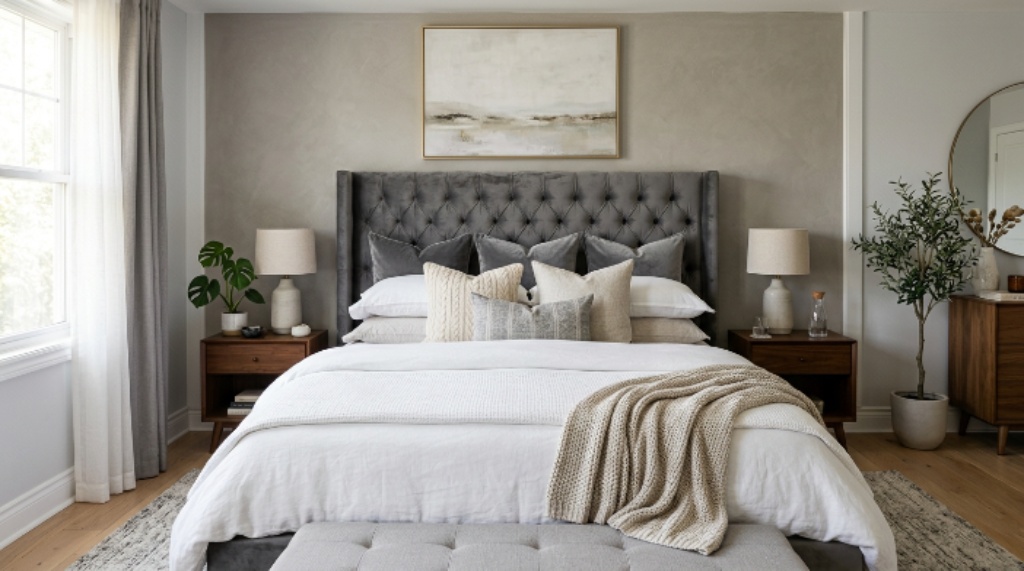
Your bedroom should feel like a retreat. It is the first thing you see in the morning and the last thing you see at night. However, many people overlook one of the easiest ways to transform that space: the headboard. A tufted pillow headboard is a simple addition that can completely change the mood of a room. It adds texture, warmth, and a sense of luxury without requiring a full renovation.
This style of headboard has become increasingly popular in recent years. It suits a wide range of bedroom aesthetics, from modern minimalist to classic glam. Additionally, it does not have to cost a fortune. With the right knowledge, you can achieve a designer look on a practical budget.
What Is a Tufted Pillow Headboard?
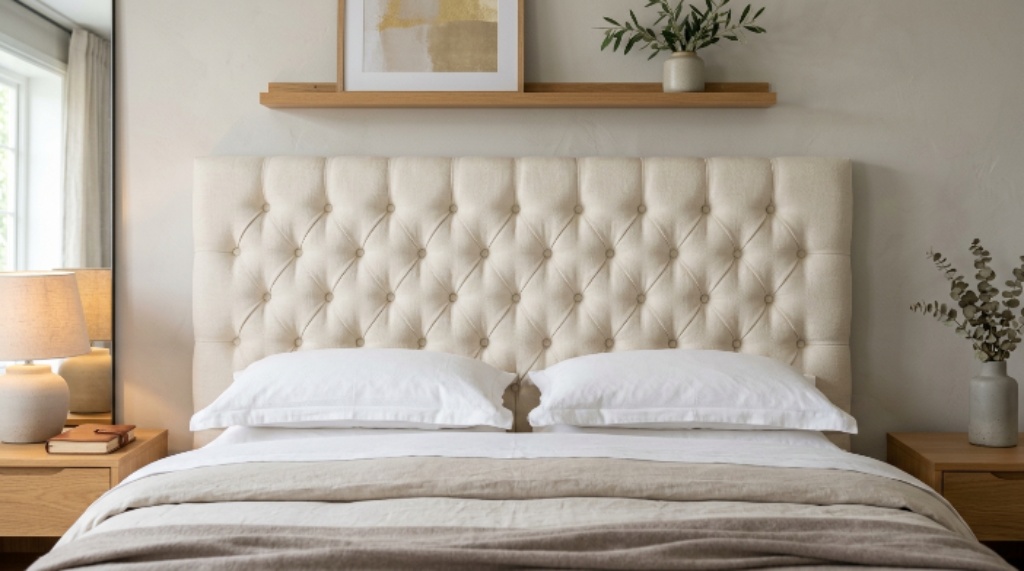
A tufted pillow headboard is a padded headboard featuring fabric panels pulled together with buttons or stitching. This technique creates the signature diamond or square pattern you often see in upscale hotel rooms. The look is plush, structured, and immediately eye-catching.
Unlike hard wooden headboards, this style uses thick cushioning covered in fabric. Common materials include velvet, linen, faux leather, and boucle. Each material gives a slightly different feel. Velvet reads as rich and dramatic. Linen feels casual and airy. Faux leather works well in contemporary or industrial spaces.
Therefore, the first step is deciding which fabric suits your room. Think about your existing color palette and the overall atmosphere you want to create.
Why a Tufted Headboard Transforms a Room
Headboards do more than support your back while you read in bed. They serve as the visual anchor of the entire bedroom. A tufted design adds instant depth and dimension to what is often a flat, plain wall.
The cushioned texture also softens the room acoustically. It absorbs sound, which can make your space feel quieter and more peaceful. Additionally, the padding offers practical comfort. You can sit up against it without feeling the hard wall behind you.
Furthermore, a tufted headboard elevates the perception of the entire room. Guests will immediately notice the difference. It signals intention and care in your design choices, which is something any bedroom benefits from.
Choosing the Right Size and Shape
Size matters a great deal with headboards. A headboard that is too small will look awkward against a large wall. On the other hand, one that is too large can overwhelm the space.
Matching Width to Your Bed
The headboard should be at least as wide as your mattress. For a queen bed, aim for something between 60 and 70 inches wide. For a king, look for 76 to 90 inches. Going slightly wider than the mattress creates a layered, intentional look that many interior designers favor.
Thinking About Height
Height is where you can make a real statement. A tall headboard draws the eye upward and makes ceilings feel higher. In smaller rooms or dorms, however, a lower profile headboard keeps things feeling open. Additionally, the height should feel proportional to how high your mattress sits off the floor.
Shape Options to Consider
The most common shapes are rectangular, curved at the top, and arch-shaped. Rectangular headboards suit modern and contemporary rooms. Curved tops add a softer, romantic feel. Arch shapes are trending right now and work particularly well in rooms with a Scandinavian or bohemian influence.
Picking the Perfect Color
Color is one of the most powerful tools in interior design. Your headboard color should either complement your bedding and walls or create a deliberate contrast.
Neutral tones like cream, ivory, warm gray, and taupe are safe and versatile. They work in almost any room and allow you to change your bedding easily without redesigning everything around the headboard. However, do not be afraid to go bold. A deep emerald, dusty rose, or navy headboard can become the focal point of the entire room.
Therefore, consider what mood you want to set. Cool tones feel calm and serene. Warm tones feel cozy and inviting. Dark tones add drama and sophistication.
How to Style Your Bed Around a Tufted Headboard
Once your headboard is in place, the styling begins. The goal is to create a layered, cohesive look that feels put-together without being stiff or overdone.
Bedding Choices
Start with a high-quality duvet or comforter in a solid color or subtle pattern. Avoid very busy prints near a tufted headboard since the headboard itself already has texture. Let the bedding be the calm to the headboard’s character.
Layer in throw pillows of different sizes. Use two large Euro shams at the back, two standard pillows in the middle, and one or two smaller accent pillows at the front. This creates depth and dimension that photographs beautifully.
Working in Soft Wall Cushions
One way to extend the plush look beyond the headboard is by adding soft wall cushions to the surrounding wall space. These can frame the headboard or create a gallery-style arrangement on a side wall. They add another layer of softness and texture that pulls the whole room together.
This approach is especially effective in smaller rooms where every design choice needs to work harder. Soft wall cushions are also a practical touch since they protect the wall from scuffs and marks while adding visual appeal.
Lighting as an Accent
Bedside lighting plays a huge role in how your headboard looks at night. Wall-mounted sconces placed on either side of the headboard create a symmetrical, elegant effect. Additionally, a warm bulb temperature will highlight the texture of the tufting and make the fabric glow softly.
Tufted Headboards in Small Spaces and Dorm Rooms
You do not need a large bedroom to enjoy the benefits of a tufted headboard. In fact, it can be one of the most impactful upgrades in a compact space. Small rooms benefit greatly from a single strong focal point. A tufted headboard provides exactly that.
For college students aiming for luxury dorm decor, a tufted headboard is a game changer. Most dorm rooms are plain and impersonal. However, a stylish headboard instantly personalizes the space and makes it feel like a real bedroom rather than a temporary sleeping area.
Look for freestanding or wall-leaning options that do not require drilling or permanent installation. These are ideal for rental spaces and dorms where you cannot modify the walls. Additionally, choose a lighter fabric color to keep the room feeling open and bright.
DIY vs. Ready-Made: Which Should You Choose?
This is a common question for budget-conscious decorators. Both options have clear advantages depending on your time, skill level, and goals.
Ready-made tufted headboards are convenient and come in a wide range of styles, sizes, and price points. You can find excellent options from furniture retailers and online marketplaces. Additionally, many are designed to attach easily to a standard bed frame.
On the other hand, a DIY headboard gives you complete control over size, fabric, and tufting pattern. The materials are widely available, and beginner-friendly tutorials are easy to find. Therefore, if you enjoy crafts and want something truly unique, the DIY route is worth considering.
However, DIY does require more time and patience. If you prefer a quick transformation, a ready-made option is the smarter choice.
Caring for Your Tufted Headboard
Maintenance is simple as long as you stay on top of it. Here are a few tips to keep your headboard looking its best:
- Vacuum the fabric surface regularly using a soft brush attachment to remove dust and pet hair.
- Spot clean stains immediately with a damp cloth and mild upholstery cleaner.
- Avoid placing the headboard in direct sunlight, as UV rays can fade fabric over time.
- Check button fastenings periodically and re-tighten any that have come loose.
Additionally, consider using a fabric protector spray after purchase. This creates an invisible barrier against spills and staining, which is especially useful in households with children or pets.
Conclusion
A tufted pillow headboard is one of the most effective upgrades you can make to your bedroom. It adds texture, comfort, and a refined sense of style without requiring major investment or renovation. From choosing the right fabric and color to styling your bed and maintaining the piece, every decision builds toward a room that feels intentional and inviting.
Whether you live in a spacious master bedroom or a compact dorm room, this type of headboard delivers results. Pair it with layered bedding, soft wall cushions, and warm lighting to create a space that truly feels like yours. The upgrade is simpler than you think, and the result is well worth it.
Frequently Asked Questions
1. Can I attach a tufted headboard to any bed frame?
Most tufted headboards are designed to fit standard bed frames with adjustable legs. However, always check the mounting specifications before purchasing. Some headboards are freestanding or wall-mounted, which makes them compatible with nearly any setup, including beds without a dedicated frame.
2. What fabric is easiest to clean on a tufted headboard?
Faux leather is the easiest to wipe clean and is ideal for households with children or pets. Velvet and linen require more careful maintenance but can be kept in great condition with regular vacuuming and prompt spot cleaning. Additionally, look for fabrics labeled as stain-resistant for extra peace of mind.
3. How do I choose the right headboard height for my room?
A good rule of thumb is to leave at least 12 inches between the top of the headboard and the ceiling. In rooms with low ceilings, a lower profile headboard will prevent the room from feeling cramped. In rooms with high ceilings, a tall headboard fills the vertical space beautifully and adds grandeur.
4. Are tufted headboards suitable for luxury dorm decor?
Yes, absolutely. Tufted headboards are one of the easiest ways to achieve luxury dorm decor on a student budget. Look for wall-leaning or freestanding models that do not require drilling. A compact headboard in a neutral velvet or linen fabric can transform a plain dorm room into a stylish, comfortable personal space.
5. How can I use soft wall cushions to complement my headboard?
Soft wall cushions can be mounted on either side of the headboard to extend the upholstered look across a wider section of wall. You can also use them as standalone art pieces on a side wall. Choose cushions in a complementary color or texture to your headboard for a cohesive result. They add warmth, sound absorption, and an extra design layer to the room.
Related Topics:
Coop Adjustable Pillow Review: Real Comfort or Hype?
Supportive Baby Carriers for Newborns: Comfort Without Compromise