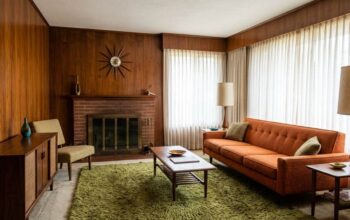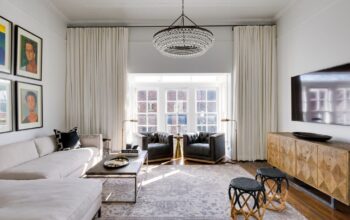

Eclectic interior design offers endless possibilities for self-expression. This style mixes different periods, textures, and colors to create unique spaces. However, the key to success lies in balance. Bold artwork needs breathing room, and neutral backdrops provide that essential foundation.
Many homeowners struggle with this balance. They either play it too safe or create visual chaos. This guide will show you how to master eclectic design through careful planning and thoughtful execution.
Understanding Eclectic Interior Design
Eclectic design breaks traditional rules. It combines vintage finds with modern pieces. Furthermore, it blends various cultural influences seamlessly. The style celebrates individuality while maintaining cohesion.
The foundation of eclectic design rests on controlled variety. You need a unifying element to tie different pieces together. Therefore, neutral backdrops serve as the perfect canvas for your bold choices.
This approach allows your statement pieces to shine. Moreover, it prevents your space from feeling cluttered or overwhelming. The neutral base creates visual rest points throughout the room.
The Role of Neutral Backdrops
Neutral backgrounds work as visual anchors. They include whites, beiges, grays, and soft tans. These colors recede into the background naturally. Consequently, they let your artwork and furniture take center stage.
Walls painted in neutral tones offer flexibility. You can change artwork and accessories without repainting. Additionally, neutral floors and large furniture pieces provide stability to your design scheme.
Think of neutrals as the silent supporting cast. They enhance the stars of your room without competing for attention. This creates a sophisticated and intentional look.
Choosing Bold Art for Maximum Impact
Bold artwork defines eclectic spaces. Select pieces that speak to your personality. Large-scale paintings or photographs create focal points instantly. However, size alone does not make art bold.
Color intensity matters just as much. Vibrant hues pop against neutral walls beautifully. Consider abstract pieces, modern prints, or cultural artifacts. Mix different art styles for authentic eclectic appeal.
Gallery walls work wonderfully in eclectic design. Combine various frame styles and artwork sizes. Nevertheless, maintain some connection between pieces. This could be a shared color palette or complementary themes.
Creating Balance Through Scale and Proportion
Scale determines how pieces relate to each other. A massive painting needs adequate wall space around it. Therefore, avoid crowding large artworks with too many accessories.
Proportion refers to how elements fit within the room. A small room cannot handle oversized furniture and giant art simultaneously. Instead, choose one statement element per area.
Balance also means distributing visual weight evenly. If one wall features bold art, balance it with interesting furniture across the room. Additionally, vary heights throughout the space for dynamic interest.
Color Strategy for Eclectic Spaces
Start with a neutral base palette. Choose two or three neutral shades for walls, floors, and major furniture. Then, introduce bold colors through art and accessories.
The 60-30-10 rule helps maintain balance. Use neutrals for 60 percent of the room. Allocate 30 percent to your secondary color. Reserve 10 percent for bold accent colors from artwork.
Pull accent colors from your artwork into other elements. Throw pillows, rugs, or decorative objects can echo these hues. This creates cohesion without overwhelming the space.
According to Architectural Digest’s guide on mixing art styles, repeating colors from your artwork throughout the room strengthens the overall design narrative.
Layering Textures and Patterns
Texture adds depth to neutral backdrops. Consider linen curtains, wool rugs, and velvet cushions. These tactile elements prevent neutral spaces from feeling flat.
Patterns introduce another dimension to eclectic design. Mix geometric prints with organic patterns carefully. However, maintain your neutral backdrop to avoid visual overload.
Layer patterns in varying scales. Pair large-scale prints with smaller, delicate patterns. This creates interest without chaos. Furthermore, stick to a cohesive color story across patterns.

Furniture Selection and Placement
Eclectic spaces thrive on furniture variety. Mix modern pieces with vintage finds. Combine different wood tones and materials freely. Nevertheless, maintain similar style intensity throughout.
Arrange furniture to highlight your artwork. Create conversation areas that draw the eye toward focal points. Additionally, leave negative space around statement pieces.
Choose neutral upholstery for major furniture items. Sofas and chairs in beige, gray, or cream provide flexibility. You can easily update the look with colorful throws and pillows.
Lighting as a Design Element
Lighting dramatically affects how colors and art appear. Natural light enhances neutral backdrops beautifully. However, artificial lighting requires careful planning.
Use picture lights to highlight important artwork. Track lighting offers flexibility for changing displays. Meanwhile, ambient lighting should remain warm and inviting.
Layer different light sources throughout the room. Combine overhead fixtures with table lamps and floor lamps. This creates depth and allows you to adjust the mood easily.
Accessorizing Without Overwhelming
Accessories personalize eclectic spaces. Display collected items that tell your story. However, edit ruthlessly to avoid clutter.
Group smaller items in odd numbers. This creates visual interest naturally. Furthermore, vary heights within groupings for dynamic displays.
Rotate accessories seasonally to keep the space fresh. Store some items and bring out others periodically. This prevents your home from feeling stagnant.
Common Mistakes to Avoid
Many people add too much too quickly. Build your eclectic space gradually instead. Live with pieces before adding more. This prevents buyer’s remorse and overcrowding.
Ignoring scale leads to awkward spaces. Measure carefully before purchasing large items. Additionally, consider how new pieces interact with existing elements.
Forgetting about functionality creates beautiful but unusable rooms. Ensure your design serves your lifestyle needs. Beauty and practicality should coexist harmoniously.
House Beautiful’s article on eclectic design tips emphasizes the importance of creating a cohesive vision before shopping for new pieces.
Maintaining Cohesion in Eclectic Design
Cohesion does not mean matching everything. Instead, find subtle connections between disparate elements. Repeated materials, colors, or shapes create unity.
Establish a dominant style direction. Your space might lean more bohemian, modern, or traditional. This guideline helps filter future purchases.
Trust your instincts about what belongs together. If something feels wrong, it probably is. Therefore, do not force pieces that do not naturally complement each other.
Evolving Your Eclectic Space
Eclectic design allows continuous evolution. Swap artwork seasonally or as your taste changes. The neutral backdrop accommodates these shifts easily.
Invest in quality neutral pieces first. These form your permanent foundation. Then, experiment with bolder, less expensive accent items.
Document your space through photos regularly. This helps you see what works and what needs adjustment. Moreover, it tracks your design journey over time.
Conclusion
Balancing bold art with neutral backdrops creates stunning eclectic interiors. The neutral foundation provides stability while allowing personal expression through vibrant artwork and unique pieces. Start with quality neutral elements for walls and major furniture. Then, layer in bold art, varied textures, and carefully chosen accessories. Remember that eclectic design develops gradually through thoughtful curation. Avoid common pitfalls like overcrowding and ignoring scale. Instead, create breathing room around statement pieces and maintain subtle connections between diverse elements. Your eclectic space should reflect your personality while remaining cohesive and functional. With patience and attention to balance, you can create a home that feels both collected and intentional.
Frequently Asked Questions
What percentage of my room should be neutral versus bold?
Aim for approximately 60 percent neutral elements, including walls, floors, and major furniture. Reserve 30 percent for secondary colors and 10 percent for bold accent pieces. This ratio prevents overwhelming the space while allowing personality to shine through.
Can I mix different art styles in one room?
Absolutely. Mixing art styles defines eclectic design. Combine abstract paintings with photography, traditional portraits, or modern prints. However, find a unifying element like a shared color palette, similar frame styles, or complementary themes to maintain cohesion.
What neutral colors work best for eclectic spaces?
Warm whites, greiges, soft tans, and medium grays provide excellent foundations. These shades complement most bold colors without competing for attention. Choose undertones that work with your lighting conditions and existing elements.
How do I prevent my eclectic room from looking cluttered?
Edit ruthlessly and embrace negative space. Not every surface needs decoration. Group smaller items together rather than scattering them throughout. Additionally, ensure each piece serves a purpose or brings genuine joy.
Should I choose art first or paint colors first?
Start with your boldest artwork if you already own pieces you love. Pull your neutral palette from these artworks. However, if building from scratch, establish your neutral backdrop first. This provides flexibility for future art acquisitions.
Related Topics:
Embracing the Minimalist Japanese Aesthetic for Studio Apartments