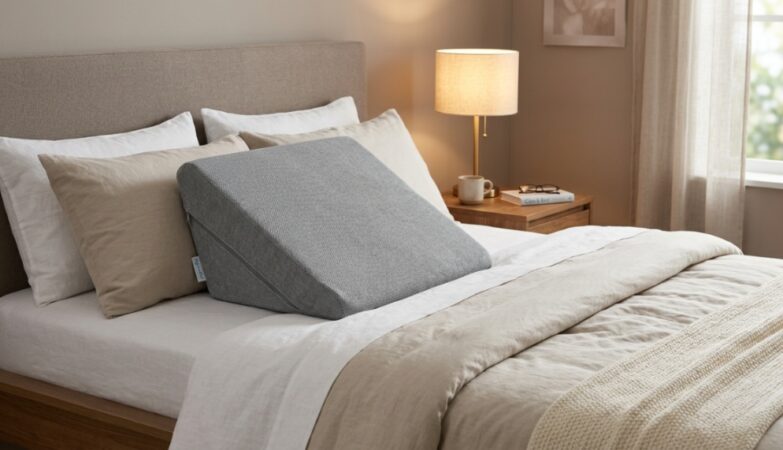
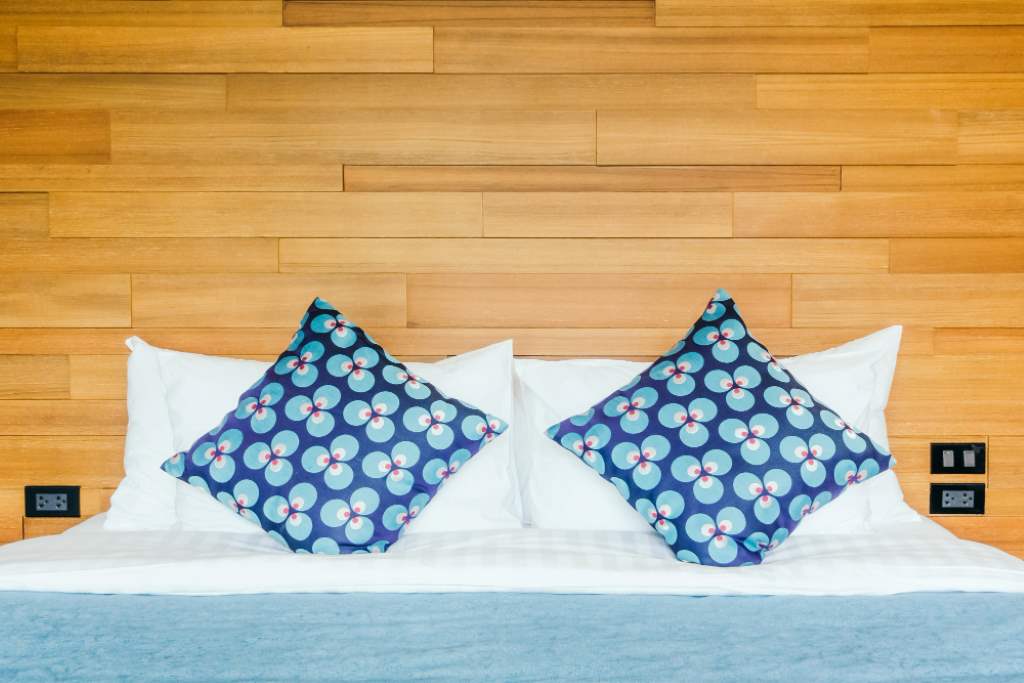
Creating a cozy and inviting bedroom starts with mastering the art of layering textures. This design approach blends materials like soft linens, plush rugs, and sleek metals to add depth and warmth. By combining different textures, you create a space that feels both stylish and comfortable. The art of layering textures in a bedroom transforms a plain room into a personal sanctuary. In this guide, we’ll explore practical tips to achieve this look. From choosing the right fabrics to balancing visual elements, you’ll learn how to craft a bedroom that reflects your style while staying functional and cozy.
Why Layering Textures Matters
Layering textures in a bedroom enhances both aesthetics and comfort. Different materials create visual interest, making the space feel dynamic. For example, a smooth cotton duvet paired with a chunky knit throw adds contrast. According to a 2023 study by the National Sleep Foundation, a well-designed bedroom improves sleep quality for 68% of adults. Textures play a key role in this.
Moreover, layering textures in a bedroom invites touch, making the space feel welcoming. Think of sinking into a bed with silky sheets and a fluffy blanket. This tactile experience calms the mind. Start with a base layer, like smooth bedding, and build up with tactile elements like wool or velvet. Transitioning between textures keeps the design cohesive yet exciting.

Choosing the Right Textures
Selecting textures requires balance. The art of layering textures in a bedroom begins with understanding materials. Soft fabrics like cotton and linen work well for bedding, while wool or faux fur adds warmth. For contrast, incorporate smooth surfaces like wood or metal in furniture.
Consider your room’s vibe. A bohemian bedroom might use woven textiles and macramé, while a modern space leans toward sleek leather or glass. According to a 2024 Houzz report, 72% of homeowners prefer natural textures for a calming effect. Experiment with combinations, like a silk pillow on a wool throw. Always test textures together to ensure they complement each other. This approach creates a harmonious and inviting bedroom.
How to Start Layering Textures
Begin layering textures in a bedroom with bedding as the foundation. Choose a neutral base, like crisp white sheets, to anchor the design. Add a textured duvet, such as quilted cotton or velvet, for depth. Next, toss on a chunky knit blanket or a faux fur throw for warmth and contrast.
Incorporate pillows with varied textures, like linen, silk, or embroidered fabrics. This adds visual interest without overwhelming the space. For example, I once redesigned my bedroom by mixing a linen duvet with a wool throw, and the result felt cozy yet sophisticated. Additionally, layer a plush rug under the bed to ground the room. Transitioning between soft and hard textures, like a wooden headboard with fluffy pillows, creates balance.
Practical Tips for Layering
- Start small: Add one textured item, like a throw, to test the look.
- Mix materials: Combine soft fabrics with hard surfaces for contrast.
- Limit patterns: Stick to solid textures to avoid a cluttered feel.
- Use odd numbers: Group pillows or throws in threes or fives for balance.
Balancing Colors and Textures
Color plays a vital role in the art of layering textures in a bedroom. Neutral tones, like beige or gray, let textures shine without clashing. For example, a cream linen duvet paired with a charcoal wool throw creates a soothing palette. Add pops of color through small items, like a mustard velvet pillow.
However, avoid overloading with bold hues, as they can distract from textures. A 2024 study by the Color Marketing Group found that 65% of people prefer muted tones for relaxation. Stick to two or three complementary colors. For instance, my friend paired a navy rug with ivory bedding, and the textures stood out beautifully. Therefore, balance colors carefully to enhance the tactile appeal of your bedroom.
Incorporating Rugs and Curtains
Rugs and curtains add significant texture to a bedroom. A plush shag rug underfoot feels luxurious and grounds the space. Alternatively, a woven jute rug adds rustic charm. Place the rug partially under the bed to tie the room together. Curtains, like linen or velvet, soften hard surfaces like windows.
For example, I added linen curtains to my bedroom, and they diffused light beautifully, creating a cozy glow. Layer curtains with sheer panels for extra depth. Additionally, choose fabrics that complement your bedding. According to Houzz, 58% of homeowners use rugs to define bedroom spaces. Therefore, select rugs and curtains that enhance the art of layering textures in a bedroom.
Adding Accessories for Depth
Accessories like pillows, throws, and wall art elevate texture layering. Scatter pillows with different fabrics, such as cotton, velvet, or wool, across the bed. A knitted throw draped over a chair adds warmth. Wall hangings, like woven tapestries, introduce texture without taking up floor space.
For instance, I hung a macramé piece above my bed, and it became a focal point. Small touches, like a ceramic lamp or a wooden tray, add contrast. However, avoid over-accessorizing to keep the room airy. Transitioning between accessories and larger elements, like bedding, creates a cohesive look. Experiment with placement to find what feels right.
Common Mistakes to Avoid
Layering textures in a bedroom can go wrong without balance. One mistake is using too many patterns, which creates visual chaos. Stick to solid textures or subtle patterns. Another error is ignoring scale—pairing a tiny throw with a large bed looks unbalanced.
Additionally, don’t mix too many bold textures, like faux fur and sequins, as they compete. I once overdid it with a glittery pillow and a shaggy rug, and the room felt cluttered. Instead, blend soft and smooth textures for harmony. Finally, ensure textures match your room’s style. A sleek modern bedroom doesn’t suit heavy rustic fabrics. Therefore, plan carefully to avoid these pitfalls.
Conclusion
Mastering the art of layering textures in a bedroom transforms your space into a cozy, stylish retreat. By blending soft fabrics, plush rugs, and smooth surfaces, you create a tactile and visually appealing room. Start with a neutral base, add varied textures, and balance colors for a harmonious look. Avoid common mistakes like overusing patterns or bold textures. With these tips, you can craft a bedroom that feels personal and inviting. Share your texture-layering ideas in the comments or try these tips and let us know how it goes!
FAQs
How do I choose textures for a small bedroom?
Focus on light, soft textures like linen or cotton to avoid overwhelming the space. Use a plush rug and a few textured pillows for depth.
Can I layer textures on a budget?
Yes, shop for affordable throws or pillows at thrift stores. Mix natural textures like jute or cotton for a high-end look without breaking the bank.
How many textures should I use in a bedroom?
Aim for three to five textures, like cotton bedding, a wool throw, and a wooden headboard, to keep the design balanced and cohesive.
What textures work best for a modern bedroom?
Opt for sleek textures like leather, silk, or smooth wood. Pair them with minimal patterns for a clean, contemporary vibe.
How do I clean textured bedding?
Check care labels. Most cotton or linen bedding is machine-washable, while wool or velvet may need dry cleaning to maintain texture.