Is your kitchen air stuffy? Does a greasy film coat everything? Your extractor fan needs a clean! This kitchen hero works hard above your stove, but grease and dust can build up. A dirty fan lowers air quality and may cause fires. Cleaning it is simple and quick. Follow this guide to make your fan shine, improve your kitchen, and breathe easy!
Why Your Extractor Fan Needs a Deep Clean
Your extractor fan pulls out steam, smoke, odors, and grease. This stops mold and smells from sticking to walls and cabinets. But grease and dust collect on filters and parts, making the fan less effective. A dirty fan uses more energy and can be a fire risk. Cleaning it keeps your kitchen safe, clean, and fresh. It’s a smart move for your home!
Getting Started: Your Cleaning Tools
Be ready before you start. Gather these items for an easy clean:
- Safety Gear:
- Rubber gloves to protect hands from grease.
- Safety glasses to shield eyes from splashes.
- Old newspapers or towels to catch drips.
- A step stool to reach the fan safely.
- Cleaning Supplies:
- Heavy-duty degreaser or dish soap to cut grease.
- Warm water for rinsing.
- White vinegar to break down grease naturally.
- Baking soda for tough spots.
- Tools:
- Screwdriver to remove fan parts.
- Soft cloths or sponges for wiping.
- Microfiber cloths for a shiny finish.
- Old toothbrush for small areas.
- Bucket for soaking filters.
- Paper towels for greasy spots.
Step-by-Step: Clean Your Extractor Fan
Follow these steps to clean your fan like a pro:
Step 1: Turn Off Power
Stay safe! Turn off the fan’s power at the circuit breaker. Don’t just use the fan’s switch. Lay newspapers or towels under the fan to catch drips.
Step 2: Take Out Filters
Most fans have metal grease filters held by clips or screws. Unclip or unscrew them carefully. These filters catch the most grease. Check your manual for carbon filters; they’re usually replaced, not cleaned.

Step 3: Clean the Filters
Filters are the greasiest part. Try these methods:
- Soaking:
- Fill a sink with hot water.
- Add degreaser, dish soap, or vinegar and baking soda.
- Soak filters for 30 minutes or more.
- Scrub with a brush or sponge, then rinse well.
- Let filters air dry fully.
- Dishwasher (check manual first):
Some filters can go in the dishwasher on a hot cycle. Be careful, as some may discolor.
Step 4: Clean the Fan’s Body
While filters soak, clean the fan:
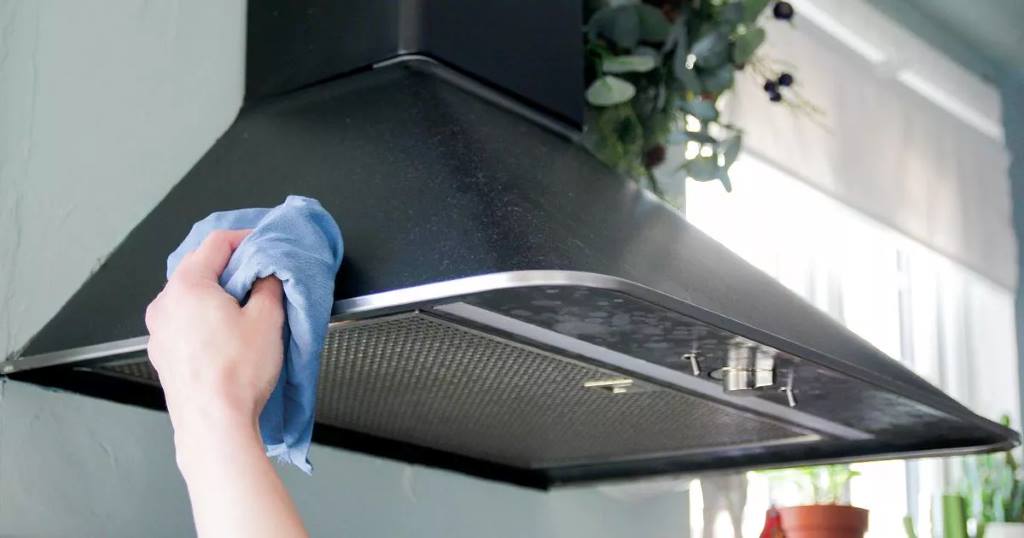
- Outside: Wipe with a cloth dipped in soapy water or degreaser. For tough grease, apply degreaser, wait, then wipe.
- Inside: Gently wipe inside surfaces. Avoid water on electrical parts. Use a toothbrush for tight spots.
- Fan Blades (if removable): Check your manual. Soak and clean blades like filters or wipe them carefully.
Step 5: Rinse and Dry
Rinse all surfaces with a damp cloth to remove soap. Use a dry microfiber cloth for a shiny finish. Make sure everything is dry before reassembling.
Step 6: Put It Back Together
When filters are dry, clip or screw them back in. Reattach any removed parts securely.
Step 7: Test It
Turn the power back on. Run the fan to check it works. Enjoy better airflow and a fresher kitchen!
Read Also:
- Trends in Geometric Floor Designs 2025
- Eco‑friendly Kitchen And Bathroom Remodeling Tips That Actually Make a Difference
- Repair Jammed Pocket Door Rollers in Wall: A Step-by-Step Guide
Maintenance Tips for a Clean Fan
Keep your fan shining with these tips:
- Clean filters every 2-4 weeks if you cook often.
- Wipe the fan’s outside weekly with soapy water.
- Replace carbon filters every 3-6 months.
- Check ducts for blockages like debris or nests.
- Use the fan every time you cook, starting before and running after.
Common Questions About Extractor Fan Cleaning
How often should I clean my extractor fan?
Clean metal filters every 2-4 weeks. Wipe the outside weekly. Deep clean inside every 3-6 months.
Can I put my fan filters in the dishwasher?
Some metal filters are dishwasher safe; check your manual. Carbon filters must be replaced.
What’s the best degreaser for fans?
Use kitchen degreaser, dish soap, or vinegar with baking soda. Diluted oven cleaner works for tough grease but needs care.
Why is my fan noisy after cleaning?
Check for loose parts. If noise continues, the motor or blades may need a technician.
Can I use bleach on my fan?
Avoid bleach; it may damage metal. Use degreasers, soap, or vinegar instead.
Breathe Easy: A Clean Fan’s Benefits
Cleaning your fan takes effort, but it pays off. Your kitchen stays fresh, safe, and efficient. Better air quality and lower fire risk make it worth it. Don’t wait—clean your fan today for a sparkling kitchen!