
Imagine stumbling upon a dusty old table at a thrift store, its potential hidden beneath years of wear. With a can of Rustoleum Chalked Paint in hand, I embarked on a furniture makeover that turned that neglected piece into a stunning centerpiece. Chalk paint, particularly Rustoleum’s version, is a game-changer for DIY enthusiasts. Its matte finish and easy application make it a go-to for transforming furniture, walls, and decor. In this review, I’ll share my experience with Rustoleum chalk paint, exploring its features, pros, cons, and tips for success. Whether you’re a seasoned painter or a beginner, this guide will educate, demonstrate, and fascinate you with the possibilities of chalk style paint. Ready to dive into the world of chalk painting? Let’s get started!
Why Choose Rustoleum Chalked Paint for Your Projects?
Rustoleum Chalked Paint, also known as Rust-Oleum Chalked Ultra Matte Paint, offers a budget-friendly alternative to premium brands like Annie Sloan. Its ultra-matte finish gives furniture a vintage or farmhouse charm, perfect for DIY furniture makeovers. I chose it for my thrifted table because it promised no sanding or priming, a claim I was eager to test. The paint’s affordability—around $17 per quart—makes it accessible for beginners and pros alike.
What sets Rustoleum apart is its versatility. It adheres to wood, metal, glass, and even ceramic with minimal prep. However, for glossy surfaces, a light sanding with a sanding block ensures better adhesion. The paint’s smooth application and quick drying time fascinated me, as I watched my table transform in hours. Available in stores like Home Depot or Amazon, it’s easy to find, unlike some boutique chalk paints.
Exploring the Features of Rustoleum Chalked Paint
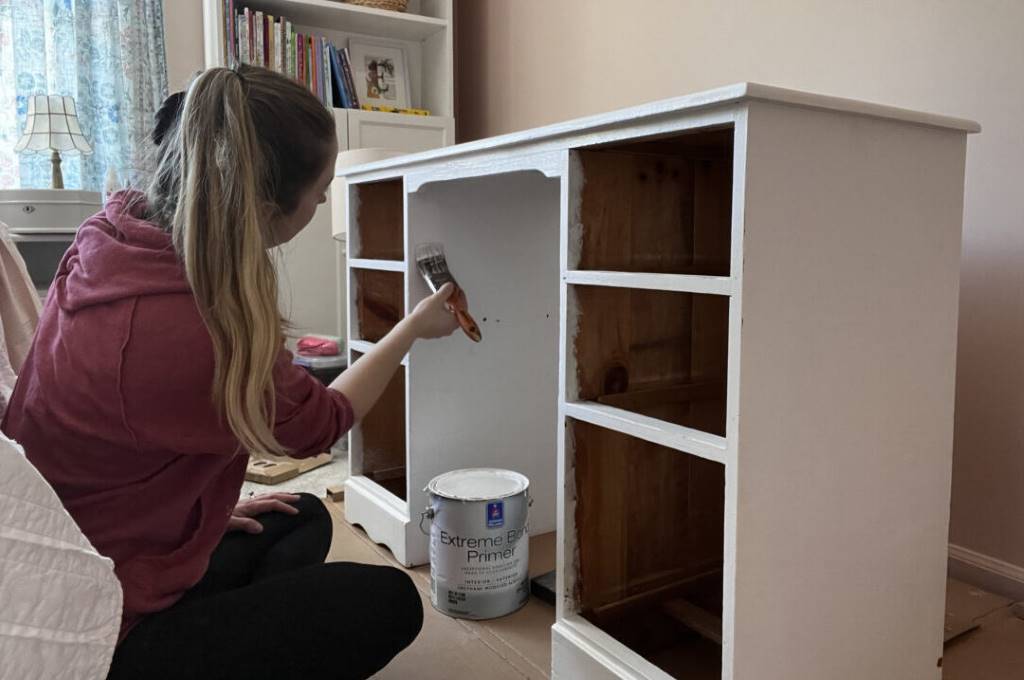
Rustoleum Chalked Paint boasts a range of features that make it a standout choice. Its low-odor, water-based formula ensures easy cleanup with soap and water, a relief for messy painters like me. The paint delivers a chalky finish that’s ideal for achieving that coveted matte look. I used Linen White Chalked Paint on my table, and the coverage was impressive, though two coats were necessary for a flawless finish.
The paint comes in 11 pre-mixed colors, with tintable bases offering up to 26 additional shades, like Sensible Sage or Charcoal Gray. For intricate projects, Rustoleum offers chalk spray paints, which I found perfect for detailed chair spindles. Additionally, their protective top coat and aging glazes add durability and depth. While not as thick as Annie Sloan paints, Rustoleum’s consistency still provides excellent results with proper technique.
Pros and Cons of Using Rustoleum Chalk Paint
Every product has strengths and weaknesses, and Rustoleum Chalked Paint is no exception. Here’s a breakdown based on my experience:
- Pros:
- Budget-friendly: Costs less than $20 per quart, much cheaper than Annie Sloan.
- Easy to distress: Perfect for shabby chic or vintage looks with a sanding sponge.
- Good coverage: Two coats typically suffice, even on dark surfaces.
- Wide availability: Found at Home Depot, Walmart, and Amazon.
- Smooth finish: Dries without gritty texture, unlike some chalk paints.
- Cons:
- Limited colors: Only 11 pre-mixed shades, with tintable options hard to find.
- Thin consistency: Requires careful application to avoid streaks.
- Needs sealing: A top coat is essential for durability, especially on high-traffic pieces.
Despite these drawbacks, the paint’s affordability and ease of use make it a solid choice for most projects.
Step-by-Step Guide to Painting with Rustoleum Chalked Paint
Transforming furniture with Rustoleum chalk paint is straightforward, but technique matters. Here’s how I painted my table:
- Clean the Surface: Wipe down with a damp rag to remove dust or grease.
- Sand if Needed: For glossy finishes, lightly sand with 220 grit sandpaper.
- Apply First Coat: Use a Purdy paint brush for smooth strokes. Paint in thin, even layers.
- Let Dry: Wait 2-4 hours between coats for best results.
- Apply Second Coat: Cover any streaks or thin spots.
- Distress (Optional): Use a sanding block for a worn look.
- Seal: Apply Rustoleum’s protective top coat or wax for durability.
I found that using a brush-on paint method worked best for even coverage, though spray paint is great for small items. Always seal high-traffic pieces like kitchen cabinets to prevent scuffs.
Tips for Achieving a Flawless Chalky Finish
To get the best results with Rustoleum Chalked Paint, follow these tips:
- Use Quality Brushes: A chalk paint brush, like Purdy, reduces streaks.
- Thin for Spraying: Dilute with 2 ounces of water per quart for sprayers.
- Test Colors: Swatches can mislead; test on a small area first.
- Seal Properly: Apply thin layers of top coat to avoid drips.
- Distress Strategically: Sand lightly for a natural, worn look.
I learned the hard way that rushing the drying process led to smudges. Patience is key! Additionally, for a smoother finish on walls, dilute the paint slightly with water. These tips helped me achieve a professional look on my table, even as a novice.
Common Mistakes to Avoid When Chalk Painting
Chalk painting is forgiving, but mistakes can happen. Here are pitfalls to avoid:
- Skipping Prep: Always clean and lightly sand glossy surfaces.
- Overloading the Brush: Too much paint causes drips and uneven texture.
- Ignoring Top Coats: Without sealing, the paint scuffs easily.
- Rushing Coats: Allow full drying time to prevent smudging.
- Choosing Wrong Colors: Test shades, as some, like Aged Gray, may appear blueish.
When I skipped sanding my table’s glossy edges, the paint chipped slightly. A quick fix with a sanding sponge saved the day, but proper prep would’ve been easier. Take your time to ensure lasting results.
Comparing Rustoleum to Annie Sloan Chalk Paint
Rustoleum Chalked Paint is often compared to Annie Sloan Chalk Paint, the gold standard in chalk painting. While Annie Sloan offers ultra-low VOC and thicker consistency, Rustoleum is more affordable and widely available. I found Rustoleum’s coverage nearly as good, though it required two coats versus Annie Sloan’s one or two. Rustoleum’s matte finish rivals Annie Sloan’s, but its color range is smaller.
For budget-conscious DIYers, Rustoleum is a practical choice. However, if you prioritize eco-friendly paint or need unique colors, Annie Sloan might be worth the splurge. Both paints distress well, but Rustoleum’s latex paint base makes it slightly less chalky. Ultimately, your project’s needs and budget will decide.
Creative Ideas for Using Rustoleum Chalk Paint
Rustoleum chalk paint isn’t just for furniture. Its versatility sparked my creativity. I painted a picture frame in Charcoal Gray for a modern look and used chalk spray paints on wicker baskets for a quick refresh. You can also paint kitchen cabinets for a farmhouse vibe or create a venetian plaster effect on walls, as I did in a small bathroom. The matte finish adds texture and charm.
Try using Rustoleum’s aging glazes for an antique look or mix colors like Linen White and Chiffon Cream for a custom shade. The chalk painting craze has faded, but its potential remains endless. Experiment with small projects to build confidence before tackling larger pieces.
Durability and Maintenance of Chalk Painted Surfaces
Rustoleum Chalked Paint requires a top coat for durability, especially on high-traffic items like tables or kitchen cabinets. I sealed my table with Rustoleum’s Matte Clear, which dried without yellowing, unlike some topcoats. After two years, the paint held up well, with minor scratches easily sanded out. Regular cleaning with a damp rag keeps the surface pristine.
Without a clear coat, the paint scuffs easily, as I noticed on an unsealed frame. For outdoor projects, Rustoleum isn’t suitable, as it’s rated for indoor use only. Always apply a protective top coat for pieces that see daily use to ensure longevity.
Is Rustoleum Chalk Paint Worth It?
My journey with Rustoleum Chalked Paint transformed a thrifted table into a farmhouse gem. Its affordability, ease of use, and matte finish make it a fantastic choice for DIYers. While it requires two coats and a top coat for durability, the results are stunning. Compared to Annie Sloan paints, Rustoleum offers similar quality at a lower price, though with fewer colors. Whether you’re painting furniture or walls, this chalk style paint delivers. Try it for your next project and share your experience in the comments below or on social media!
FAQs
Is Rustoleum Chalked Paint good for beginners?
Yes, its affordability and ease of use make it ideal for beginners. Minimal prep and easy cleanup simplify the process.
Do I need to sand before using Rustoleum chalk paint?
Light sanding is recommended for glossy surfaces to ensure adhesion, but it’s not always necessary for raw wood.
Can I use Rustoleum chalk paint on walls?
Yes, it creates a matte, textured finish. Dilute for smoother results and seal for durability in high-traffic areas.
How many coats of Rustoleum Chalked Paint are needed?
Typically, two coats provide full coverage, though some projects may need a third for a flawless finish.
Does Rustoleum chalk paint require a top coat?
Yes, a protective top coat is essential for durability, especially on furniture or high-traffic surfaces.