
Closets are essential for keeping our homes organized, but they can become breeding grounds for musty odors if not properly maintained. These unpleasant smells often stem from poor air circulation, trapped moisture, and neglected cleaning routines. Fortunately, you can keep your closets fresh and odor-free using natural, eco-friendly methods. By addressing the root causes of musty smells, such as humidity in the closet, you can create a clean and inviting storage space. This article, inspired by tips from Home Decorations Tips, explores practical and sustainable ways to prevent musty odors in your closets without relying on harsh chemicals.
Understanding the Causes of Musty Smells
Musty smells in closets often arise from a combination of factors. High humidity levels encourage mold and mildew growth, which thrive in dark, enclosed spaces. Clothes, shoes, and other items stored in closets can trap moisture, especially if they’re not fully dry before being stored. Additionally, poor ventilation prevents air from circulating, allowing odors to linger. Dust, dirt, and organic materials like leather or cotton can also contribute to unpleasant smells over time. By identifying these causes, you can take targeted steps to keep your closet fresh.
Controlling Humidity in the Closet
One of the primary culprits behind musty odors is humidity in the closet. Excess moisture creates a damp environment where mold and mildew can flourish. To combat this, consider using natural dehumidifiers like silica gel packets or bamboo charcoal bags. These materials absorb moisture effectively and are reusable, making them eco-friendly choices. For a more comprehensive solution, visit Home Decorations Tips’ guide on humidity control to learn how to protect your closet from moisture damage. Additionally, placing a small bowl of baking soda or uncooked rice in the closet can help absorb excess humidity and neutralize odors.
Improving Air Circulation
Proper ventilation is key to preventing musty smells. Closets with limited airflow trap moisture and odors, creating a stale environment. To improve circulation, leave the closet door open periodically to allow fresh air to enter. If space permits, install a small battery-operated fan to promote airflow. Alternatively, you can use a vented closet door or add a small vent to encourage air exchange. Regularly rearranging items in the closet also helps prevent air from becoming stagnant. These simple steps ensure that fresh air reaches every corner of your closet.
Choosing Natural Odor Absorbers
Chemical air fresheners often mask odors rather than eliminate them, and they may contain harmful substances. Instead, opt for natural odor absorbers that are safe and effective. Baking soda is a versatile option that neutralizes and eliminates odors. Place an open container of baking soda on a shelf or hang a small cloth bag filled with it. Activated charcoal is another powerful odor absorber that works by trapping odor-causing particles. Cedar blocks or lavender sachets not only absorb moisture but also add a pleasant, natural scent to your closet. These options are affordable and easy to replace as needed.
Cleaning and Organizing Your Closet
Regular cleaning prevents the buildup of dust, dirt, and moisture that contribute to musty smells. Start by emptying the closet and vacuuming the floor, shelves, and corners to remove dust. Wipe down surfaces with a mixture of water and white vinegar to kill mold spores and refresh the space. Wash or dry-clean clothes before storing them, as body oils and sweat can attract odors. Organize items to avoid overcrowding, which restricts airflow. Use breathable storage solutions like cotton or canvas bins instead of plastic containers, which can trap moisture.
Storing Clothes Properly
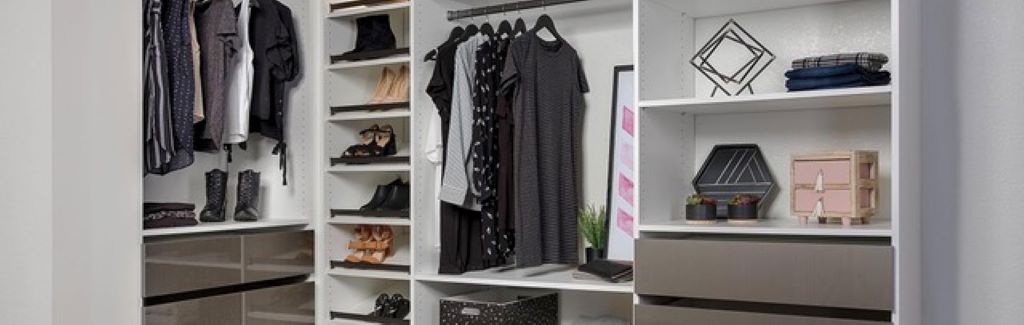
How you store your clothes plays a significant role in preventing musty odors. Always ensure clothes are completely dry before placing them in the closet. Damp clothes, even slightly, can introduce moisture and encourage mildew growth. Avoid stacking clothes tightly, as this limits air circulation. Instead, use hangers to allow space between garments. For delicate or seasonal items, use breathable garment bags rather than plastic ones. According to Good Housekeeping, rotating clothes seasonally and storing off-season items in a dry, well-ventilated area can also reduce odor buildup.
Using Essential Oils for a Fresh Scent
Essential oils offer a natural way to keep your closet smelling fresh. Oils like lavender, tea tree, and eucalyptus have antifungal and antibacterial properties that help combat mold and mildew. To use them, add a few drops to a cotton ball or a small cloth and place it in the closet. Alternatively, mix essential oils with water in a spray bottle and lightly mist shelves or storage bins. Be cautious not to spray directly on clothes, as oils can stain fabrics. This method not only freshens the air but also adds a subtle, pleasant aroma.
Preventing Mold and Mildew Growth
Mold and mildew thrive in damp, dark environments, making closets an ideal target. To prevent their growth, maintain low humidity levels and ensure proper ventilation, as mentioned earlier. Regularly inspect your closet for signs of mold, such as black or green spots on walls or shelves. If you spot mold, clean it immediately with a vinegar-water solution or a natural mold remover. For persistent issues, consider consulting a professional. The Environmental Protection Agency emphasizes that controlling moisture is the most effective way to prevent mold in enclosed spaces like closets.
Maintaining a Regular Maintenance Routine
Consistency is crucial for keeping your closet odor-free. Set a schedule to clean and reorganize your closet every few months. Check for signs of moisture or mold, replace odor absorbers, and ensure clothes are stored properly. During humid seasons, increase ventilation and monitor humidity levels closely. By staying proactive, you can prevent musty smells from developing and maintain a fresh, inviting closet year-round.
Conclusion
Preventing musty smells in closets naturally requires a combination of controlling humidity, improving ventilation, and using eco-friendly odor absorbers. By incorporating simple habits like regular cleaning, proper clothing storage, and natural solutions like baking soda or essential oils, you can keep your closet fresh without relying on chemicals. Addressing humidity in the closet is especially important, as it tackles the root cause of mold and mildew. With these strategies, your closet will remain a clean, odor-free space for your belongings.
Frequently Asked Questions
- Why does my closet smell musty even after cleaning?
Musty smells can persist due to trapped moisture or poor ventilation. Check for hidden mold, ensure clothes are dry before storing, and improve airflow with a fan or vented door.
- How often should I replace natural odor absorbers like baking soda?
Replace baking soda or charcoal every 1-2 months for optimal effectiveness. Cedar blocks and lavender sachets can last longer but should be refreshed every 6 months.
- Can I use a dehumidifier in a small closet?
Yes, a small, portable dehumidifier or moisture-absorbing products like silica gel packets work well in closets. Ensure the device is suitable for small spaces to avoid over-drying.
- Are essential oils safe for all types of clothes?
Essential oils are generally safe but can stain delicate fabrics. Apply them to cotton balls or cloths and place them away from direct contact with clothes.
- How can I tell if humidity in the closet is too high?
Use a hygrometer to measure humidity levels. Ideally, closet humidity should stay below 50%. Signs of high humidity include damp clothes or visible mold.
Read More:
Seasonal Upkeep for Thatched or Slate Roofs: A Homeowner’s Tale