Pocket doors are a stylish, space-saving feature in many homes, but when their rollers jam, they can become a headache. Fortunately, you can often repair jammed pocket door rollers in wall without major renovations. This guide, brought to you by Bixideco, walks you through the process of fixing a pocket door while keeping the frame intact. With the right tools and steps, your door will slide smoothly again in no time.
Understanding Pocket Door Rollers and Common Issues
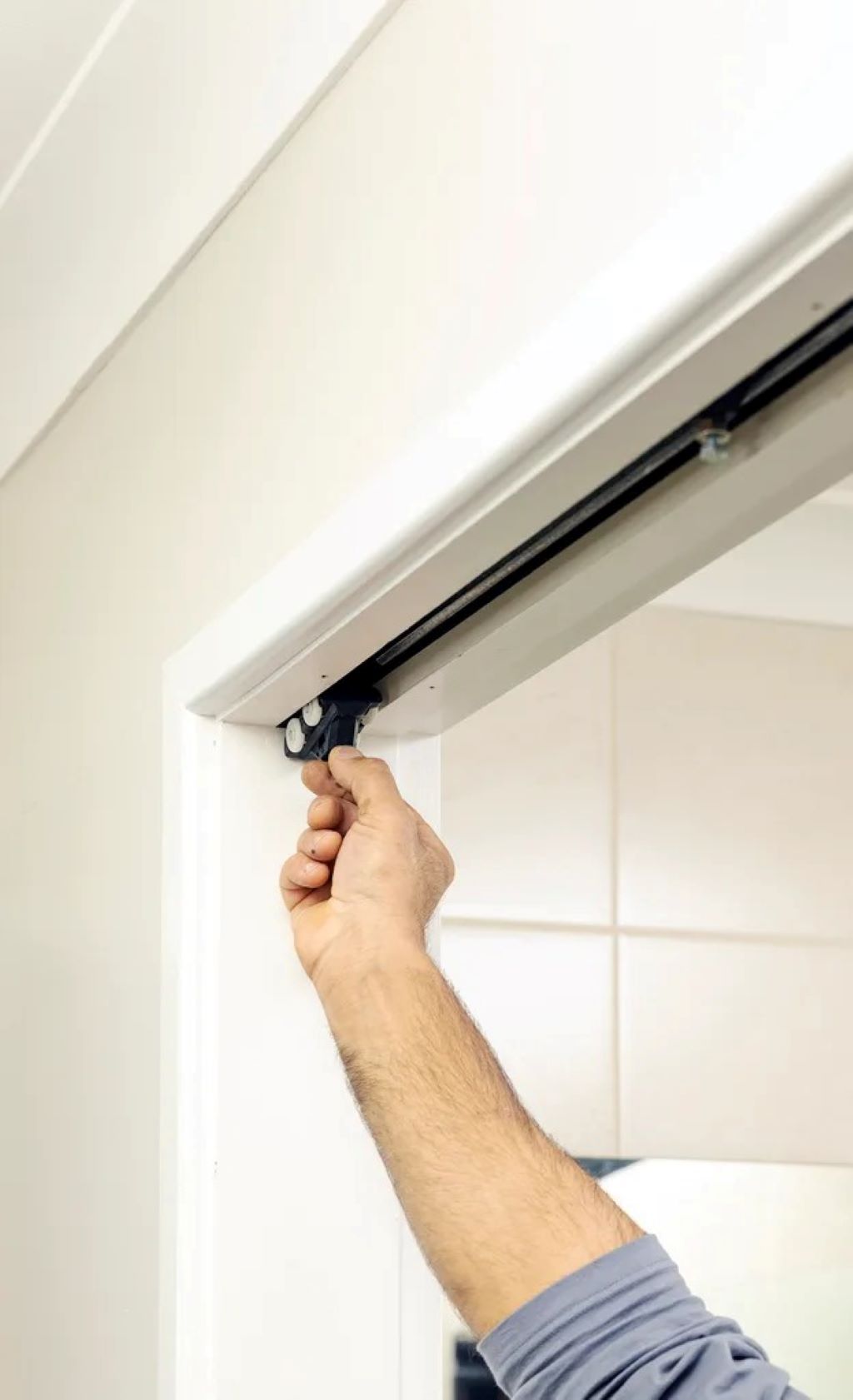
Pocket doors slide into a wall cavity, guided by rollers attached to a track. These rollers can jam due to dirt, misalignment, or wear. Symptoms include sticking, grinding noises, or a door that refuses to move. Addressing these issues promptly prevents further damage. For detailed troubleshooting, learning how to fix a pocket door without removing frame is key to a hassle-free repair.
Tools and Materials You’ll Need
Before starting, gather the necessary tools to streamline the process. Having everything ready saves time and frustration.
- Screwdriver (Phillips and flathead)
- Pliers
- Lubricant (silicone-based or WD-40)
- Flashlight
- Cleaning cloth or brush
- Replacement rollers (if needed)
- Level
- Putty knife (optional)
Most of these items are available at hardware stores or online. Ensure replacement rollers match your door’s specifications.
Step-by-Step Guide to Repairing Jammed Pocket Door Rollers
Follow these steps to fix your pocket door without invasive work. Each step is designed for beginners and requires minimal expertise.
Step 1: Remove the Door from the Track
First, locate the stoppers or clips at the track’s ends. Use a screwdriver to loosen them. Gently lift the door upward to disengage the rollers from the track. Tilt the bottom outward and lower it carefully. If the door resists, check for hidden screws or clips. This step allows access to the rollers without disturbing the frame.
Step 2: Inspect and Clean the Rollers
Examine the rollers for dirt, debris, or damage. Use a flashlight to see clearly. Wipe them with a cleaning cloth or brush. For stubborn grime, apply a small amount of lubricant and scrub gently. Clean rollers often resolve minor jamming issues. If the rollers spin freely after cleaning, they may not need replacement.
Step 3: Lubricate the Rollers and Track
Apply a silicone-based lubricant to the rollers and the overhead track. Avoid over-lubricating, as excess can attract dust. Slide the rollers manually to spread the lubricant evenly. This reduces friction and improves movement. According to This Old House, proper lubrication can extend the life of pocket door components.
Step 4: Check for Track Misalignment
A misaligned track can cause jamming. Use a level to ensure the track is straight. If it’s bent or loose, tighten the screws or gently tap it back into place with a putty knife. Be cautious to avoid damaging the wall. A properly aligned track ensures smooth operation.
Step 5: Test and Reinstall the Door
Reattach the door by lifting it back onto the track. Secure the stoppers or clips. Slide the door back and forth to test its movement. If it still jams, repeat the cleaning or alignment steps. Persistent issues may indicate worn rollers that need replacement.
Step 6: Replace Rollers if Necessary
If cleaning and lubrication don’t work, replace the rollers. Remove the old rollers using pliers or a screwdriver, depending on the model. Install new rollers that match the originals. Rehang the door and test again. Replacement rollers are affordable and widely available.
Tips for Preventing Future Jamming
Preventive maintenance keeps your pocket door functioning smoothly. Consider these tips to avoid future issues.
- Clean the track and rollers every six months.
- Use silicone-based lubricants, as oil-based ones attract dirt.
- Check for loose screws or misalignment periodically.
- Avoid forcing the door, as this can damage rollers.
Regular care reduces the need for frequent repairs and extends the door’s lifespan.
When to Call a Professional
Most jammed pocket door rollers can be fixed at home. However, if the track is severely damaged or the wall cavity is obstructed, professional help may be needed. Complex repairs risk damaging the frame or wall, which can be costly. For guidance on when to seek help, check resources like Realtor.com.
Conclusion
Repairing jammed pocket door rollers in wall is a manageable DIY project with the right approach. By cleaning, lubricating, and aligning the rollers and track, you can restore smooth operation without removing the frame. Regular maintenance prevents future issues, saving time and money. With this guide, you’re equipped to tackle the repair confidently and keep your pocket door sliding effortlessly.
Frequently Asked Questions
- Can I fix a pocket door without taking it off the track?
Yes, minor issues like dirt or lack of lubrication can often be fixed by cleaning and lubricating the track without removing the door. However, for thorough repairs, removing the door is recommended.
- How do I know if my pocket door rollers need replacement?
If cleaning and lubricating don’t resolve jamming, or if the rollers are cracked or worn, replacement is necessary. Check for smooth spinning during inspection.
- What type of lubricant is best for pocket door rollers?
Silicone-based lubricants are ideal because they reduce friction without attracting dust. Avoid oil-based products like WD-40 for long-term use.
- How long does it take to repair a jammed pocket door?
Most repairs take 30 minutes to an hour, depending on the issue’s severity and whether rollers need replacement.
- Can a misaligned track cause my pocket door to jam?
Yes, a bent or loose track can prevent smooth movement. Use a level to check alignment and tighten screws to fix it.
Read More:
Seasonal Upkeep for Thatched or Slate Roofs: A Homeowner’s Tale