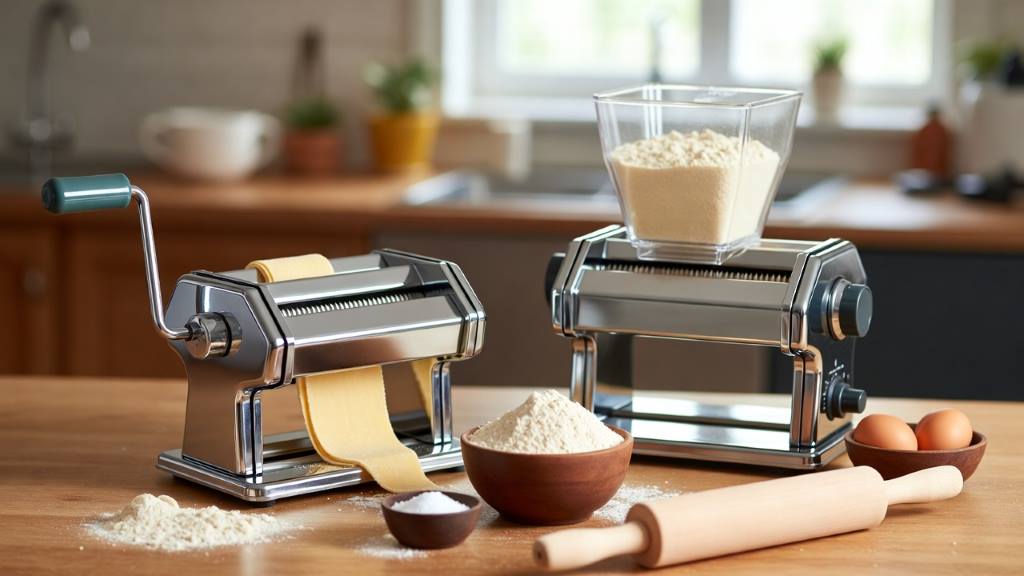
Nothing beats the taste of fresh pasta made right in your kitchen. You control every ingredient, create perfect textures, and enjoy a fun cooking experience. More people now make pasta at home as global interest grows.
Italians lead the world with 23 kilograms of pasta per person each year, according to Statista. Meanwhile, the pasta machine market expands quickly, projected to rise from about $2.3 billion in 2025 to over $4 billion by 2035. This growth shows how popular homemade pasta has become.
One key decision stands out early: manual vs electric pasta maker. Each type offers unique advantages, and the right choice depends on your needs and style.
This guide helps you choose wisely. You will discover types of machines, essential features, and practical tips to start making restaurant-quality pasta today.
Why Make Homemade Pasta?
Homemade pasta tastes far better than store-bought versions. Fresh dough delivers a tender bite and absorbs sauces perfectly.
You also gain full control over ingredients. Add eggs for richness or keep it simple with flour and water for vegan options. Skip preservatives and enjoy cleaner eating.
Health benefits add appeal. Fresh pasta provides complex carbs for steady energy. It supports digestion when you use whole grains.
Making pasta brings joy to the kitchen. Families gather around the machine, roll dough, and share stories. The process feels therapeutic and rewarding.
Trends confirm this rise. Home cooking surged recently, and pasta machines fly off shelves as people seek authentic meals.
Understanding Pasta Machines
Pasta machines simplify turning dough into sheets or shapes. They save time and ensure consistent results.
Two main categories exist: rollers and extruders. Rollers flatten dough into sheets, which you then cut. Extruders push dough through dies to form tubes or twists directly.
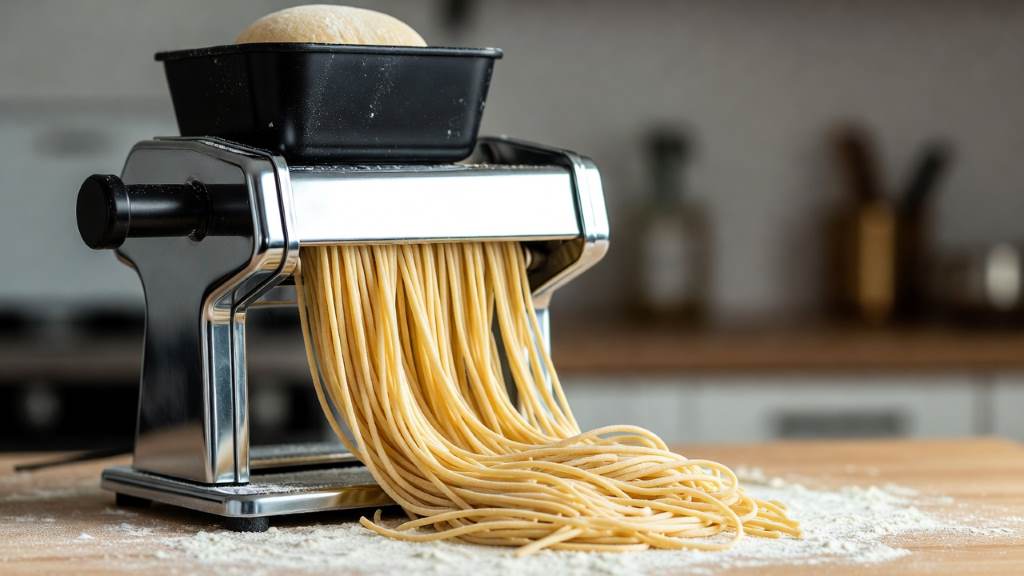
Most home users prefer rollers for classic fettuccine or lasagna. Extruders shine for shaped pasta like rigatoni.
Attachments expand options. Many machines include cutters for spaghetti or tagliatelle.
Quality machines last years with proper care. Choose sturdy builds for frequent use.
Manual Pasta Makers: The Classic Choice
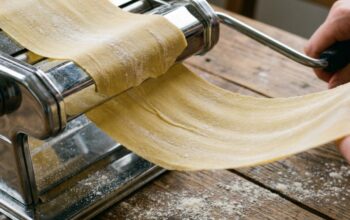
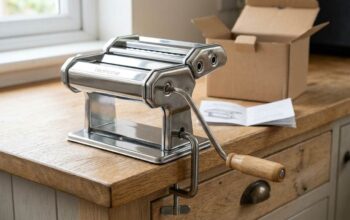
Manual pasta makers rely on hand cranking. You feed dough through rollers and turn a handle to thin it.
These machines offer excellent control. Adjust thickness settings precisely for delicate angel hair or thick pappardelle.
They stay compact and store easily. Clamp them to your counter when needed.
Cleanup proves straightforward. Wipe rollers after use and let parts air dry.
Many top models, like the Marcato Atlas 150, earn praise for smooth operation and durability. Users love the authentic feel.
Beginners find them approachable. Start with basic sheets and build skills over time.
However, cranking requires effort. Larger batches tire your arms.
Still, manual models deliver satisfaction. You feel connected to the process.
Electric Pasta Makers: Convenience and Speed
Electric pasta makers handle the work automatically. Motors roll or extrude dough with button presses.
They excel for quick meals. Produce pounds of pasta in minutes without fatigue.
Consistency stands out. Electric models maintain even thickness every time.
Many include multiple dies for various shapes. Switch from spaghetti to penne easily.
Stand-alone electrics, like Philips models, mix and extrude in one unit. Attachments for mixers offer another option.
Families with kids appreciate the safety. No heavy cranking means less risk.
On the downside, they take more space. Motors add bulk.
Noise occurs during operation. Some models run louder than others.
Yet, for frequent makers, the time savings prove invaluable.
Key Factors to Consider
Several elements guide your decision. Think about your kitchen habits first.
Build Quality and Materials
Look for stainless steel rollers. They resist rust and handle dough smoothly.
Aluminum bodies keep weight down while staying strong. Avoid plastic parts in critical areas.
Heavy bases prevent slipping during use. Suction feet help on smooth counters.
Thickness Settings
More settings give flexibility. Nine or ten levels allow fine tuning.
Start thick and gradually thin the dough. This prevents tearing.
Attachments and Versatility
Basic models roll and cut spaghetti or fettuccine. Extra cutters add ravioli or linguine options.
Motorized attachments fit popular mixers. Check compatibility if you own one.
Ease of Use and Cleaning
Smooth cranks or quiet motors matter. Test adjusters for simple changes.
Removable parts simplify washing. Avoid machines with hard-to-reach crevices.
Size and Storage
Measure your counter space. Manual models store in drawers.
Electric units need cabinet room. Consider countertop presence.
Top Features That Make a Difference
Certain features elevate good machines to great ones.
Stable clamping holds everything secure. Double clamps work best.
Ergonomic handles reduce strain on manual models.
Anodized rollers prevent sticking. Dough releases cleanly.
Clear instructions help beginners. Recipe books add value.
Safety covers protect fingers near moving parts.
Multiple speed settings on electrics allow gentle starts.
How to Use a Pasta Machine Step by Step
Follow these steps for perfect results every time.
First, prepare basic dough. Mix flour and eggs until smooth. Let it rest 30 minutes.
Next, divide dough into manageable pieces. Flatten one slightly by hand.
Set the machine to the widest setting. Feed dough through and crank slowly.
Fold the sheet and pass again. Repeat twice to knead properly.
Then, decrease thickness gradually. Pass dough through each setting once.
Dust lightly with flour if sticking occurs. Avoid excess to prevent toughness.
Finally, cut into desired shapes. Use built-in cutters or knife for freeform.
Cook fresh pasta briefly. Two to four minutes usually suffices.
Dry extras on racks. Store in airtight containers.
Practice improves texture. Soon you will achieve professional results.
Maintenance and Cleaning Tips
Proper care extends your machine’s life.
Always clean after use. Never submerge in water.
Brush away flour with a dry cloth. Use a wooden skewer for tight spots.
Disassemble removable parts. Air dry completely before storage.
Oil moving parts occasionally. Food-grade mineral oil works well.
Store in a dry place. Cover to prevent dust.
Check for wear regularly. Replace cutters when dull.
Follow manufacturer guidelines. They know the machine best.
Common Mistakes to Avoid
New users often face simple pitfalls.
Overworking dough causes toughness. Rest it adequately.
Skipping kneading folds leads to weak sheets. Repeat early passes.
Rushing thickness reductions tears dough. Go slowly.
Adding too much flour dries pasta. Use sparingly.
Ignoring rest time makes rolling hard. Patience pays off.
Forgetting to clamp securely causes wobbling. Double-check stability.
Cleaning while wet rusts metal. Dry thoroughly.
Which Pasta Machine Suits You Best?
Beginners often start with manual rollers. They teach fundamentals affordably.
Busy cooks prefer electric speed. Time savings justify the investment.
Large families benefit from high-capacity electrics. Produce big batches easily.
Traditionalists love manual control. The hands-on approach feels authentic.
Space-limited kitchens favor compact manuals. They tuck away neatly.
Experiment with both if possible. Borrow or test before buying.
Your choice shapes your pasta journey. Pick what excites you most.
Conclusion
Choosing the best pasta machine opens a world of fresh flavors. You now understand types, features, and usage tips.
Manual models offer control and tradition. Electric ones bring ease and speed.
Focus on sturdy build, versatile settings, and easy cleaning. These ensure long-term joy.
Start small and practice often. Your skills will grow quickly.
Gather ingredients today. Roll your first batch tonight. Enjoy the delicious rewards of homemade pasta.
FAQs
What is the main difference between manual and electric pasta makers?
Manual makers require hand cranking for full control. Electric models automate rolling or extruding for faster, easier operation.
Are pasta machines worth buying for occasional use?
Yes. Even occasional makers enjoy fresher taste and fun. Compact manuals fit casual needs perfectly.
Can I make gluten-free pasta with these machines?
Absolutely. Most handle alternative flours well. Adjust hydration and dust generously.
How long does fresh homemade pasta last?
Cook immediately for best texture. Or dry and store up to a month. Freeze uncooked sheets for months.
Do I need special flour for pasta machines?
Semolina or “00” flour works best. All-purpose flour succeeds too with practice.
References
- Statista: Per capita consumption of pasta by country 2023 – https://www.statista.com/statistics/1379424/per-capita-consumption-pasta-by-country
- Future Market Insights: Pasta Machine Market Report – https://www.futuremarketinsights.com/reports/pasta-machine-market
- Serious Eats: The 6 Best Pasta Makers, Tested & Reviewed – https://www.seriouseats.com/best-pasta-makers-7098725
- Food & Wine: The 5 Best Pasta Makers of 2026 – https://www.foodandwine.com/news/best-pasta-makers