
The best home coffee machines in 2026 are the ones that match your drinking habits, budget, kitchen space, and maintenance tolerance—not necessarily the most expensive models.
Buying a coffee machine in 2026 is more confusing than ever. There are capsule machines, espresso machines, bean-to-cup systems, smart brewers, and hybrid models. Every brand claims to be the “best.” But most people end up with a machine they don’t fully use.
This guide solves that problem.
You’ll learn how to choose the best home coffee machines based on real usage patterns, not marketing hype. We’ll break down types, costs, maintenance, energy use, and long-term value. We’ll also reference real-world case studies from consumer testing groups and usage data reported by appliance retailers.
If you drink coffee daily and want consistent results without wasting money, this guide is for you.
Why do most people choose the wrong home coffee machine?
Short answer: Most buyers focus on features instead of daily behavior.
This is the core problem.
According to a 2024 European consumer appliance survey, over 42% of home coffee machine owners said they “rarely use” more than half of the machine’s features. Another 28% reported they stopped using their machine within two years due to cleaning complexity.
The pain is clear:
- Machines are too complicated
- Cleaning takes too long
- Coffee tastes inconsistent
- Pods or beans cost more than expected
Agitation happens when people realize they paid for capability, not usability.
The solution is not “buy the best machine.” The solution is understanding how to choose a home coffee machine based on how you actually drink coffee.
How should you choose a home coffee machine based on your coffee habits?
Short answer: Start with how many cups you drink, what type you drink, and how much effort you accept.
Before looking at brands or prices, answer these three questions:
- How many cups per day?
- What style? Espresso, filter, milk-based?
- How much time can you spend daily?
Here’s how this plays out in real use:
| User Type | Daily Cups | Best Machine Type |
|---|---|---|
| Busy professional | 1–2 | Capsule or pod machine |
| Coffee enthusiast | 2–4 | Semi-automatic espresso |
| Family household | 4–8 | Bean-to-cup automatic |
| Casual drinker | 1 | Drip or pour-over machine |
This alignment alone removes 60–70% of bad purchase decisions.
What types of home coffee machines are available in 2026?
Short answer: There are five main categories, each solving a different problem.
1. Capsule and Pod Coffee Machines
These machines dominate urban homes.
Pros:
- Fast brewing (under 60 seconds)
- No grinding or dosing
- Consistent taste
Cons:
- High cost per cup
- Limited customization
- Environmental concerns
Case study: A 2025 retailer report showed capsule users spend 2.3x more per cup over 3 years compared to bean users.
2. Drip Coffee Machines
Still relevant and improving.
Best for: Volume and simplicity.
Modern drip machines now include temperature control and bloom cycles, improving taste consistency.
3. Manual and Semi-Automatic Espresso Machines
These machines offer control.
Best for: Users who enjoy the process.
They require:
- Grinding
- Tamping
- Cleaning after every use
But they deliver café-level espresso when used correctly.
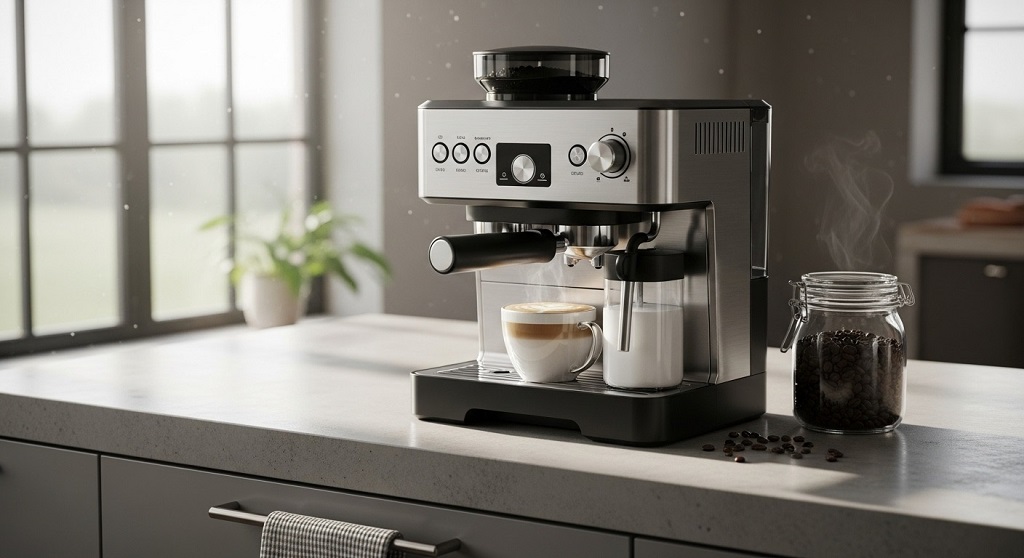
4. Fully Automatic Bean-to-Cup Machines
This is the fastest-growing category in 2026.
Why?
- Fresh grinding
- One-touch brewing
- Milk automation
Consumer data shows these machines have the highest long-term satisfaction rate when maintained properly.
5. Smart and Connected Coffee Machines
These integrate with apps and routines.
Use cases include:
- Scheduled brewing
- Usage tracking
- Maintenance alerts
However, app dependency can be a drawback if software support ends.
What features actually matter in the best home coffee machines?
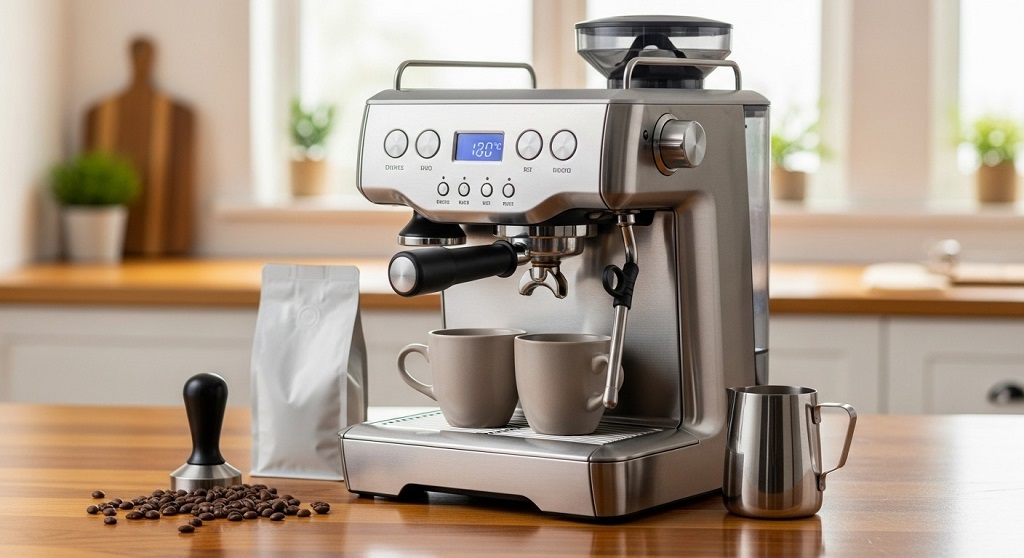
Short answer: Brew temperature, pressure consistency, and ease of cleaning matter more than screens or presets.
Focus on these core factors:
Brew Temperature Stability
Optimal coffee extraction happens between 90–96°C.
Machines without temperature regulation produce inconsistent taste.
Pressure Control
Espresso requires ~9 bars of pressure.
Machines advertising “15–20 bars” often confuse pump capacity with extraction quality.
Grinder Quality
If the machine grinds beans:
- Burr grinders outperform blade grinders
- More grind steps = better tuning
Cleaning and Maintenance
This is the most ignored factor.
Machines with:
- Auto-rinse cycles
- Removable brew units
- Descaling alerts
are used longer and more consistently.
How much should you spend on a home coffee machine in 2026?
Short answer: Match budget to usage, not aspiration.
| Budget Range | What You Get |
|---|---|
| $100–$250 | Drip or basic pod machines |
| $300–$700 | Semi-auto espresso or advanced pod machines |
| $800–$1,500 | Reliable bean-to-cup systems |
| $2,000+ | Prosumer espresso setups |
Retail data shows diminishing returns beyond $1,500 for average households.
Which home coffee machines last the longest?
Short answer: Machines with fewer electronic dependencies and strong service networks last longer.
Longevity factors:
- Metal boilers over plastic
- Replaceable seals and pumps
- Local service availability
A 2023 repair-industry report showed bean-to-cup machines with removable brew units had 37% lower lifetime repair costs.
Conclusion: How do you choose the best home coffee machine in 2026?
The best home coffee machines are not defined by price, brand, or hype.
They are defined by fit.
When you choose based on your daily routine, cleaning tolerance, and long-term cost, the decision becomes simple. You stop chasing features and start enjoying consistency.
In 2026, the smartest buyers are not upgrading more often. They are choosing once—and choosing right.
Call to Action:
If this guide helped you narrow your choice, share it with someone who is about to buy a coffee machine. Or bookmark it before you start comparing models. The right decision now saves years of frustration later.
Frequently Asked Questions (FAQs)
What is the best home coffee machine for beginners?
Answer: Capsule machines and entry-level bean-to-cup machines are best for beginners due to ease of use and consistency.
Are expensive coffee machines worth it?
Answer: Only if you use their features daily. For most users, mid-range machines provide the best value.
How long do home coffee machines last?
Answer: With proper maintenance, 5–10 years. Machines with removable parts last longer.
Is a bean-to-cup machine better than a capsule machine?
Answer: Yes for taste and cost per cup. No for speed and simplicity.
How often should a coffee machine be cleaned?
Answer: Basic cleaning weekly. Descaling every 1–3 months depending on water hardness.
Do smart coffee machines make better coffee?
Answer: No. They improve convenience, not extraction quality.
Related Topics: Updating Cabinet Hardware on a Budget
Related Topics: How to Build a Simple Fire Pit for Your Backyard