

Transforming your garden with the best low-maintenance ground cover plants is a smart choice for busy homeowners. These plants spread quickly, suppress weeds, and require minimal care, making them perfect for vibrant, hassle-free landscapes. Whether you want to cover bare soil or add texture, ground covers offer beauty and function. According to a 2023 study by the National Gardening Association, 68% of gardeners prefer low-maintenance plants to save time. My own backyard, once a patchy mess, now thrives with lush ground covers I barely touch. This guide explores the best low-maintenance ground cover plants, their benefits, and tips to choose them wisely.
Why Choose Low-Maintenance Ground Cover Plants?
Low-maintenance ground cover plants are ideal for gardeners seeking beauty without constant upkeep. They spread naturally, filling gaps and reducing weed growth. Additionally, they stabilize soil, prevent erosion, and retain moisture, saving water. A 2022 report by the University of California Extension notes that ground covers can reduce garden maintenance time by up to 40%. For instance, I planted creeping thyme in my sloped yard, and it stopped soil runoff while adding charm.
These plants thrive in various conditions, from shade to sun, and require little pruning or fertilizing. Therefore, they suit busy lifestyles or large landscapes. Choosing the right ground cover ensures a healthy garden with minimal effort, making your outdoor space both practical and stunning.
Top Low-Maintenance Ground Cover Plants
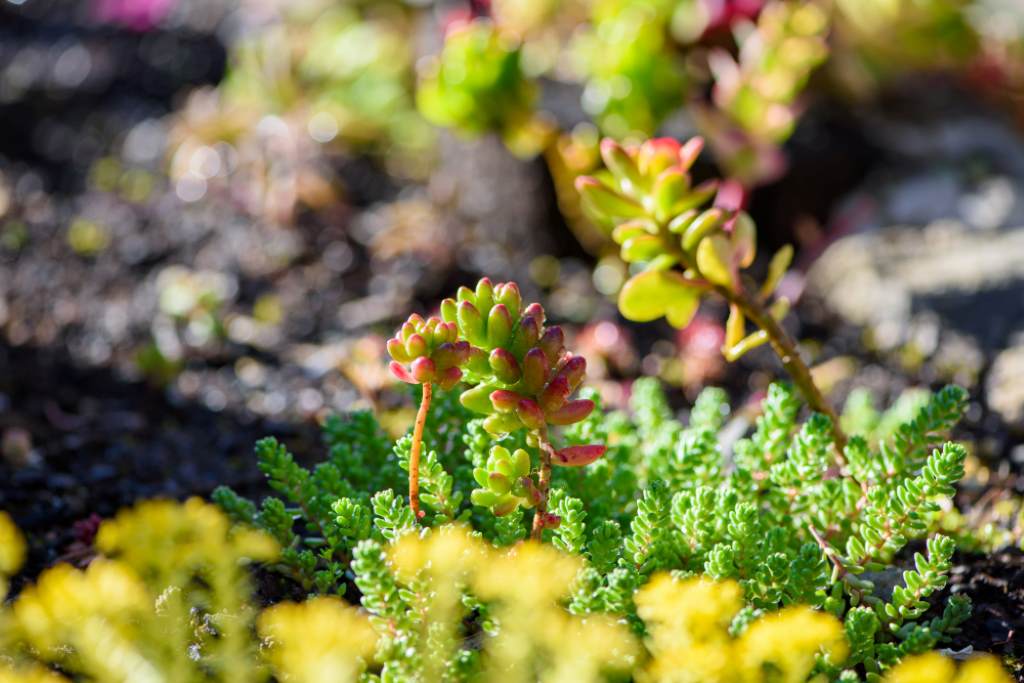
Creeping Thyme
Creeping thyme is a top pick for sunny areas. This fragrant, drought-tolerant plant forms a dense mat of tiny leaves and purple flowers. It thrives in poor soil and needs little water once established. According to a 2024 study by the Royal Horticultural Society, creeping thyme reduces weed growth by 85% in sunny gardens. I planted it along my walkway, and its scent greets me daily.
It grows well in zones 4–9, preferring well-drained soil. Water sparingly and trim lightly to maintain shape. Additionally, it attracts pollinators, boosting garden health. Creeping thyme is perfect for pathways or rock gardens, offering beauty with minimal care.
Sedum
Sedum, or stonecrop, is a succulent ground cover that thrives in hot, dry conditions. Its fleshy leaves store water, making it ideal for low-water gardens. Varieties like ‘Dragon’s Blood’ add vibrant color. A 2023 study by the American Horticultural Society found sedum reduces irrigation needs by 50% compared to grass. I added sedum to my sunny border, and it’s flourished with almost no effort.
Sedum suits zones 3–9 and prefers full sun. It resists pests and diseases, requiring only occasional trimming. Therefore, it’s great for beginners or xeriscaping. Plant it in well-drained soil for a colorful, carefree ground cover.
Ajuga
Ajuga, or bugleweed, excels in shady areas. Its glossy leaves and blue flower spikes create a lush carpet. It spreads quickly, outcompeting weeds. The University of California Extension reports ajuga can cover bare soil in under six months. I planted ajuga under my trees, and it transformed a dull spot into a vibrant one.
Ajuga thrives in zones 3–10, tolerating partial shade to full sun. Water regularly until established, then it needs little care. Additionally, it’s deer-resistant, perfect for rural gardens. Trim spent flowers to keep it tidy, and enjoy its low-maintenance charm.
How to Choose the Right Ground Cover for Your Garden
Selecting the best low-maintenance ground cover plants depends on your garden’s conditions. Consider sunlight, soil type, and climate. For example, sedum suits sunny, dry areas, while ajuga thrives in shade. Check your USDA hardiness zone to ensure plant survival. I learned this when I chose pachysandra for my shady corner, and it’s thrived for years.
Also, think about your garden’s purpose. Want weed control? Choose fast-spreading plants like ajuga. Need color? Try sedum or thyme. Test soil drainage and pH before planting. Most ground covers prefer well-drained soil. Therefore, matching plants to your garden’s needs ensures success with minimal upkeep.
Planting and Care Tips for Ground Covers
Planting Tips
To plant ground covers, prepare the soil by removing weeds and loosening it. Space plants according to their spread rate—closer for faster coverage. Water thoroughly after planting to establish roots. I planted pachysandra too far apart initially, slowing coverage, so I adjusted spacing for better results.
Use mulch to retain moisture and deter weeds while plants establish. Additionally, choose a season with mild weather, like spring or fall, for planting. This gives roots time to settle. Following these steps ensures your ground covers thrive with little effort.
Care Tips
Once established, the best low-maintenance ground cover plants need little care. Water sparingly, especially for drought-tolerant types like sedum. Trim dead foliage annually to keep plants tidy. I check my creeping thyme yearly, snipping only what’s needed, and it stays lush.
Fertilize lightly, if at all, as most ground covers thrive in average soil. Monitor for pests, though most are resistant. Therefore, regular checks and minimal intervention keep your ground covers healthy, saving time and effort.
Benefits of Using Ground Covers in Landscaping
Ground covers enhance landscapes beyond aesthetics. They reduce maintenance by suppressing weeds and stabilizing soil. A 2024 University of California study found ground covers cut weeding time by 60% in home gardens. My thyme patch eliminated hours of weeding, freeing my weekends.
Additionally, they conserve water by shading soil, reducing evaporation. They also support pollinators, boosting biodiversity. For example, my ajuga attracts bees, enriching my garden’s ecosystem. Therefore, ground covers offer practical and environmental benefits, making them a smart choice for sustainable landscaping.
Conclusion
The best low-maintenance ground cover plants, like creeping thyme, sedum, and ajuga, transform gardens with minimal effort. They suppress weeds, prevent erosion, and add beauty, perfect for busy gardeners. My own yard, once high-maintenance, now thrives with these plants, saving me time and stress. By choosing the right ground cover for your conditions, you ensure a vibrant, low-effort landscape. Explore these options, plant smartly, and enjoy a stunning garden year-round. Share your favorite ground cover in the comments or spread this guide to inspire others!
FAQs
What are the best low-maintenance ground cover plants for shade?
Ajuga and pachysandra thrive in shady areas, spreading quickly with minimal care.
How fast do ground cover plants spread?
Most, like ajuga, cover bare soil in six months, depending on conditions.
Do ground cover plants need much water?
Drought-tolerant options like sedum need little water once established.
Can ground covers prevent weeds?
Yes, dense covers like creeping thyme block weeds effectively.
Are ground covers good for slopes?
Absolutely, they stabilize soil and prevent erosion on slopes.