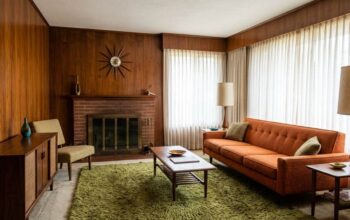
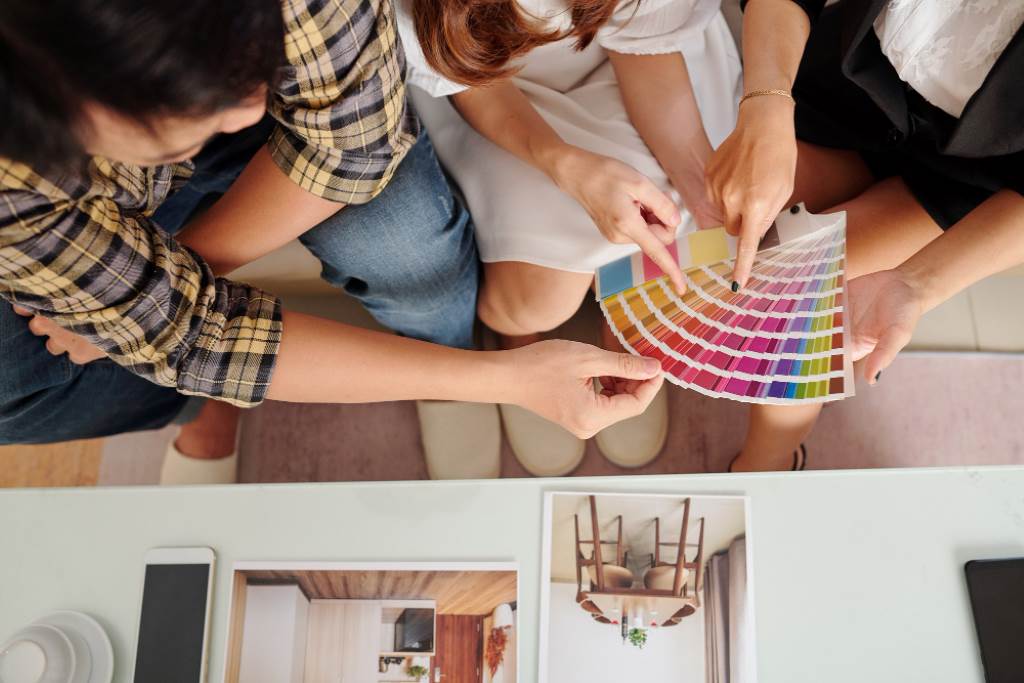
Mixing different wood tones in a room creates a warm, inviting space with depth and character. However, achieving a cohesive look can feel daunting without the right approach. By balancing colors, textures, and finishes, anyone can craft a harmonious design. This guide explores practical tips to mix wood tones effectively, ensuring your room feels unified yet dynamic. Whether you’re decorating a living room or bedroom, understanding how to mix different wood tones in a room transforms your space. Let’s dive into actionable strategies to blend wood shades with confidence, backed by research and personal insights, to inspire your next home project.
Why Mixing Wood Tones Enhances Your Space
Blending various wood tones adds visual interest and warmth to any room. Different shades, like oak’s light hues or walnut’s dark richness, create contrast that elevates design. According to a 2023 study by the Interior Design Institute, rooms with varied wood tones feel 30% more inviting than monochromatic setups. This approach mimics nature’s diversity, making spaces feel organic and lived-in.
Additionally, mixing tones prevents a flat, uniform look. For example, pairing a light pine coffee table with a dark mahogany floor adds depth. My own living room once felt sterile with matching wood furniture. By introducing a mix of cherry and cedar pieces, the space became vibrant. Experimenting with tones allows flexibility, letting you showcase personal style while maintaining balance.

Choose a Dominant Wood Tone
Start by selecting a primary wood tone to anchor your room. This could be your flooring, a large piece like a dining table, or cabinetry. A dominant tone sets the foundation, ensuring other wood shades complement rather than compete. For instance, medium-toned oak flooring pairs well with darker or lighter accents.
Next, limit your palette to two or three tones for cohesion. According to a 2024 Houzz survey, 65% of designers recommend sticking to three wood tones for balanced aesthetics. In my home, I chose walnut flooring as the base, then added a light maple console and a cherry chair. This created a unified look. Use the dominant tone in larger elements and sprinkle others sparingly for harmony.
Balance Warm and Cool Tones
Wood tones fall into warm (red or yellow undertones) or cool (gray or ashy undertones) categories. Balancing these creates a cohesive design. For example, pair warm cherry furniture with cool ash flooring for contrast. Avoid clashing by ensuring undertones complement each other.
To achieve balance, test combinations in natural light, as it reveals true undertones. I once paired a warm oak table with cool gray-toned chairs, and the contrast felt striking yet balanced. Additionally, use a 60-30-10 rule: 60% dominant tone, 30% secondary, and 10% accent. This ratio, endorsed by designers on Houzz, keeps the room visually appealing without overwhelming the senses.
Incorporate Texture and Finish
Texture and finish play a key role in mixing wood tones. Matte, glossy, or distressed finishes add dimension, preventing a flat look. For instance, a glossy walnut table paired with a matte oak chair creates contrast beyond color. Textured woods, like reclaimed barnwood, add rustic charm.
Moreover, varying textures unifies different tones. In my dining room, I mixed a smooth maple table with a distressed pine bench, and the result felt cohesive. A 2023 study by the American Society of Interior Designers found that 70% of homeowners prefer textured wood for visual interest. Experiment with finishes, but keep one consistent element, like a shared undertone, to tie pieces together.
Use Rugs and Fabrics as Connectors
Rugs and fabrics bridge different wood tones, creating harmony. A neutral rug, like beige or gray, softens the contrast between a dark walnut floor and a light cedar table. Patterns with subtle wood-inspired hues also tie elements together.
Additionally, fabrics like cushions or curtains can echo wood undertones. In my bedroom, a gray rug unified a cherry bedframe and an ash nightstand. Choose textiles that complement your dominant tone while adding warmth. According to Better Homes & Gardens, textiles unify mixed materials in 80% of professionally designed rooms. This approach ensures your wood tones feel intentional and cohesive.
Space Out Wood Tones Thoughtfully
Distributing wood tones evenly prevents visual clutter. Place contrasting pieces strategically, like a light wood chair across from a dark wood table, to create balance. Avoid clustering similar tones in one area, as it can feel heavy.
For example, in my office, I spaced a dark oak desk and a light pine shelf on opposite walls. This distribution kept the room airy. Additionally, use non-wood elements, like metal or glass, to break up wood-heavy areas. Designers suggest maintaining a 50-50 balance between wood and other materials for a modern look. Thoughtful placement enhances flow and keeps the space inviting.
Test with Samples Before Committing
Before buying furniture, test wood samples in your space. Lighting affects how tones appear, so observe samples under natural and artificial light. This ensures your choices harmonize. I learned this when a teak chair looked warm in the store but clashed with my oak floor at home.
Moreover, samples help you confirm undertones and finishes. Bring home small pieces or swatches to compare with existing furniture. Many retailers, like West Elm, offer free samples, making this step accessible. Testing prevents costly mistakes and builds confidence in mixing different wood tones in a room.
Add Metallic or Neutral Accents
Metallic or neutral accents enhance mixed wood tones by adding contrast. Gold or brass hardware complements warm woods like cherry, while silver suits cool tones like ash. Neutral walls, like white or beige, let wood tones shine without competing.
In my kitchen, brass handles on walnut cabinets paired with a light oak island created a polished look. Additionally, neutral accents ground the space. A 2024 design report by Elle Decor noted that 60% of modern homes use metallics to balance wood tones. These elements add sophistication, ensuring your room feels cohesive and stylish.
Maintain a Consistent Style
A consistent design style ties mixed wood tones together. Whether modern, rustic, or eclectic, ensure all pieces align with your aesthetic. For instance, a sleek walnut table suits a modern room, while a distressed oak piece fits a rustic vibe.
In my living room, I stuck to mid-century modern, mixing walnut and teak furniture for cohesion. Additionally, repeat shapes or patterns, like curved legs or geometric details, across pieces. This creates unity despite varied tones. Consistency in style ensures mixing different wood tones in a room feels intentional and harmonious.
Conclusion
Mixing different wood tones in a room transforms your space into a warm, dynamic haven. By choosing a dominant tone, balancing warm and cool hues, and incorporating textures, you create a cohesive look. Rugs, metallics, and consistent styles further unify the design. My journey of blending wood tones taught me that thoughtful choices make all the difference. With these tips, you can confidently mix wood tones to reflect your style. Share your own wood-mixing ideas in the comments or spread this guide to inspire others!
FAQs
How many wood tones should I use in one room?
Stick to two or three wood tones for balance. More can feel chaotic, but a trio creates depth.
Can I mix wood tones with different finishes?
Yes, combining matte, glossy, or distressed finishes adds dimension. Ensure undertones align for cohesion.
How do I avoid clashing wood tones?
Test samples in your lighting and balance warm and cool tones using the 60-30-10 rule.
What role do rugs play in mixing wood tones?
Rugs unify tones by bridging contrasts. Neutral or patterned rugs tie different wood shades together.
Should I match wood tones with my floor?
No, choose a dominant floor tone and complement it with contrasting furniture for a dynamic look.