
Carbon monoxide (CO) is a silent, deadly gas that can harm you without warning. Knowing the best placement for carbon monoxide detectors ensures your family’s safety. This odorless, colorless gas often comes from faulty appliances or poor ventilation. Every year, CO poisoning affects thousands, making proper detector placement critical. This blog post explores where to place CO detectors for maximum protection. We’ll cover key locations, installation tips, and expert advice to help you stay safe. By understanding the best placement for carbon monoxide detectors, you can prevent tragedy and protect your loved ones.
Why Carbon Monoxide Detectors Are Essential
Carbon monoxide is dangerous because it’s undetectable without specialized equipment. It binds to hemoglobin in your blood, reducing oxygen flow. Symptoms like dizziness or nausea often go unnoticed until it’s too late. According to the CDC, over 400 people die annually from unintentional CO poisoning in the U.S. Detectors provide early warnings, giving you time to act.
Moreover, CO can come from many sources, like gas heaters or car exhausts. Therefore, having detectors in the right spots is vital. A personal story: my neighbor once ignored a faint CO detector alarm, thinking it was a malfunction. Thankfully, they evacuated after feeling dizzy, avoiding a worse outcome. Proper placement saved their lives.
Where to Place Carbon Monoxide Detectors
Near Sleeping Areas
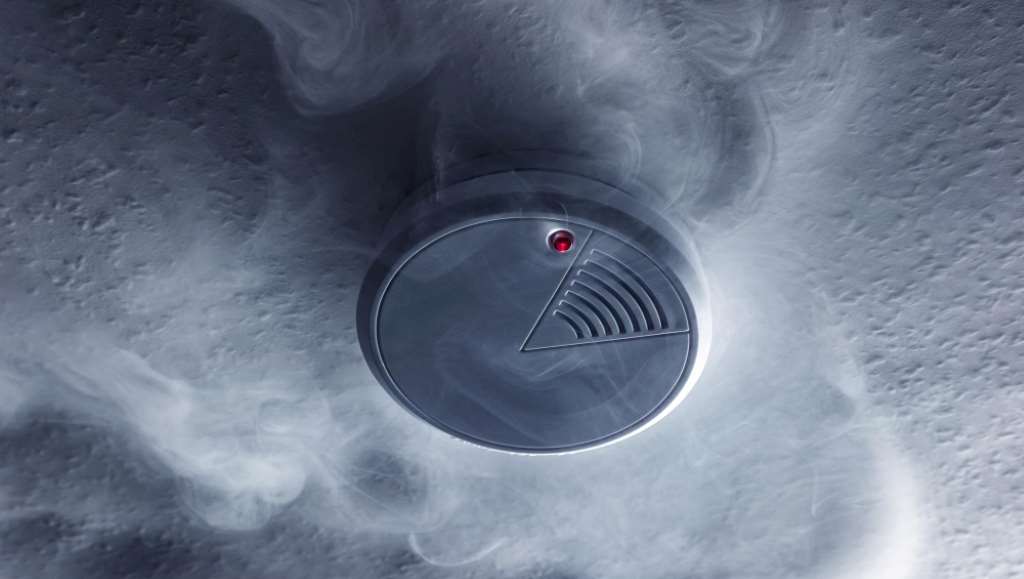
The best placement for carbon monoxide detectors is near bedrooms. Since CO can accumulate while you sleep, detectors here offer critical protection. Install one within 10 feet of each bedroom door. This ensures the alarm wakes you if levels rise. Additionally, place detectors at eye level or higher, as CO mixes evenly with air.
Avoid placing detectors in corners or near windows, where airflow might dilute readings. According to the National Fire Protection Association (NFPA), 96% of homes with CO detectors near bedrooms report faster response times during emergencies. Therefore, prioritizing sleeping areas is a smart choice. My own home has a detector outside each bedroom, giving me peace of mind.
In Living Spaces
Living rooms and family areas are also key spots for CO detectors. These areas often have gas appliances, like fireplaces, that can leak CO. Place detectors centrally, away from vents or fans, to ensure accurate readings. For example, mount them on a wall about five feet from the floor.
Furthermore, avoid placing detectors near kitchens, as cooking fumes can trigger false alarms. The NFPA recommends at least one detector per floor for comprehensive coverage. In my experience, adding a detector in our living room caught a small CO leak from a faulty heater, proving the value of this placement.
In Basements and Garages
Basements and garages often house CO sources like furnaces or vehicles. Thus, these areas need detectors. Place one near the furnace or water heater, but not directly beside them, to avoid false readings. In garages, mount detectors near the door to catch exhaust fumes.
Additionally, ensure detectors are at least 15 feet from CO-producing appliances. A 2020 study by the Consumer Product Safety Commission found that 30% of CO incidents originate in basements. I once noticed a strange smell in my garage, and my detector’s alarm confirmed a CO leak from a car left running. Proper placement was a lifesaver.
Installation Tips for Maximum Effectiveness
Choose the Right Height
The best placement for carbon monoxide detectors considers height. Since CO mixes with air, detectors work well at eye level or slightly higher. Wall-mounted units should be about five feet from the floor. Ceiling mounts are also effective, but avoid corners where air circulation is low.
Moreover, check your detector’s manual for specific instructions. Some models work better at certain heights. For instance, I installed a ceiling detector in my hallway, following the manufacturer’s guide, and it’s been reliable. Proper height placement ensures quicker detection, keeping your home safer.
Avoid Common Placement Mistakes
Incorrect placement can reduce a detector’s effectiveness. Avoid areas with high humidity, like bathrooms, as moisture can damage the device. Similarly, keep detectors away from windows or vents, where fresh air might mask CO levels. Kitchens are also poor choices due to cooking fumes.
Instead, focus on open areas with good airflow. The NFPA notes that 25% of CO detector failures stem from poor placement. In my case, moving a detector away from a window stopped frequent false alarms. Therefore, double-check placement to ensure your detectors work correctly.
Maintenance and Testing for Reliability
Regular Testing
Testing your CO detectors monthly ensures they function properly. Press the test button to confirm the alarm sounds. If it doesn’t, replace the batteries or the unit. Regular checks catch issues early, keeping your home safe. The CDC reports that 15% of CO detector failures are due to dead batteries.
Additionally, follow the manufacturer’s testing schedule. I test my detectors every month, a habit that once revealed a faulty unit. Replacing it promptly avoided a potential risk. Consistent testing is a simple step to maintain safety.
Replace Detectors as Needed
CO detectors have a lifespan, typically 5–7 years. Check the manufacturing date on your device and replace it when it expires. Newer models often have better sensors, improving detection. Also, replace batteries annually or when the low-battery signal chirps.
Furthermore, keep a maintenance log to track replacements. In my home, I mark the installation date on each detector to stay organized. This small step ensures I never miss a replacement, keeping my family protected from CO risks.
Additional Safety Tips to Prevent CO Poisoning
Regular Appliance Maintenance
Faulty appliances are a common CO source. Schedule annual inspections for furnaces, water heaters, and gas stoves. A professional can spot leaks or ventilation issues. The CDC states that 50% of CO incidents tie to poorly maintained appliances.
Moreover, install proper venting for all fuel-burning devices. In my experience, a yearly furnace check caught a small CO leak before it became dangerous. Regular maintenance, combined with proper detector placement, creates a strong safety net.
Be Aware of CO Sources
Know the CO sources in your home, like generators or charcoal grills. Never use these indoors or near windows. Also, avoid running cars in attached garages. Awareness prevents CO buildup. For example, I always open my garage door before starting my car, a habit formed after a close call.
Additionally, educate your family about CO risks. Simple habits, like checking appliances or avoiding indoor generator use, make a big difference. Combining awareness with the best placement for carbon monoxide detectors ensures maximum protection.
Conclusion
The best placement for carbon monoxide detectors is critical for your family’s safety. By placing detectors near bedrooms, living spaces, and basements, you can catch CO leaks early. Regular maintenance and proper installation further enhance their effectiveness. With thousands of CO poisoning cases annually, taking these steps is non-negotiable. My own experiences with CO detectors have shown their life-saving value. Protect your home by following these guidelines and staying vigilant. Share this article or leave a comment below to join the conversation on CO safety!
FAQs
Why should I place CO detectors near bedrooms?
Detectors near bedrooms alert you to CO while you sleep, ensuring early warnings. Place them within 10 feet of bedroom doors.
Can I place CO detectors in the kitchen?
Avoid kitchens, as cooking fumes can cause false alarms. Place detectors in living areas or hallways instead.
How often should I test my CO detectors?
Test detectors monthly by pressing the test button. Replace batteries annually or when the low-battery signal sounds.
Do CO detectors need to be replaced?
Yes, replace CO detectors every 5–7 years, as their sensors wear out. Check the manufacturing date.
What are common CO sources in homes?
Gas furnaces, water heaters, fireplaces, and car exhausts are common sources. Regular maintenance prevents CO leaks.
Have you checked your CO detectors lately? Share your tips or questions in the comments below!