Rainwater harvesting systems for residential use offer a sustainable way to conserve water and reduce utility bills. These systems collect rainwater from rooftops, directing it into storage tanks for later use in gardening, cleaning, or even household tasks. With growing concerns about water scarcity, adopting such systems is a practical step for homeowners. According to the Environmental Protection Agency, a typical household can save up to 50% of water by using harvested rainwater for non-potable needs. My family installed a rainwater harvesting system last year, and we’ve noticed a significant drop in our water bills. This blog explores how these systems work, their benefits, and how you can set one up.
What Are Rainwater Harvesting Systems?
Rainwater harvesting systems for residential use collect and store rainwater, typically from rooftops, for household purposes. The system includes gutters, pipes, filters, and storage tanks to ensure clean water collection. Rainwater is free, making it an eco-friendly resource for tasks like irrigation or car washing.
These systems vary in complexity, from simple barrels to advanced setups with pumps and purification. For example, a basic system might use a 50-gallon barrel, while larger ones can store thousands of gallons. According to a 2023 study by the American Water Works Association, households using these systems can reduce municipal water use by up to 40%. Therefore, installing one is both cost-effective and environmentally responsible. Homeowners can start small and upgrade as needed.
Benefits of Rainwater Harvesting for Homeowners
Rainwater harvesting systems for residential use provide multiple benefits. First, they reduce reliance on municipal water, lowering utility bills. Additionally, harvested rainwater is free from chemicals like chlorine, making it ideal for plants.
Another advantage is environmental impact. By collecting rainwater, you reduce stormwater runoff, which can prevent flooding and erosion. A 2024 report by the National Oceanic and Atmospheric Administration notes that runoff contributes to 70% of urban flooding issues. Moreover, these systems promote sustainability by conserving water. For instance, my neighbor used harvested rainwater to maintain her garden during a drought, saving both money and resources. Consequently, adopting such systems supports both personal savings and planetary health.
How to Set Up a Rainwater Harvesting System
Setting up rainwater harvesting systems for residential use is straightforward. Start by assessing your roof’s surface area to estimate water collection potential. Next, install gutters and downspouts to channel water into a storage tank. Filters are essential to remove debris like leaves.
For a basic setup, a 55-gallon barrel with a spigot works well for small homes. Larger systems may require professional installation, including pumps for distribution. Always check local regulations, as some areas restrict rainwater collection. According to a 2022 study by the University of Arizona, proper maintenance ensures water quality. Therefore, clean filters monthly and inspect tanks for algae. With these steps, you can efficiently set up a system tailored to your needs.
Cost and Savings of Rainwater Harvesting
The cost of rainwater harvesting systems for residential use varies. A simple barrel system costs $50–$200, while advanced setups with pumps can range from $1,000 to $5,000. However, savings are significant. My family’s $150 barrel system paid for itself in a year through reduced water bills.
Long-term savings depend on usage. For example, using harvested water for gardening can cut costs by 30%, per the EPA’s 2023 findings. Additionally, some regions offer tax incentives or rebates for installing these systems. Therefore, researching local programs can further reduce costs. Over time, the investment in a harvesting system proves both economical and sustainable.
Maintenance Tips for Rainwater Harvesting Systems
Maintaining rainwater harvesting systems for residential use ensures longevity and water quality. Regularly clean gutters to prevent clogs from leaves or debris. Inspect storage tanks for algae or sediment buildup every few months.
Filters need monthly cleaning to maintain water purity. For instance, after noticing murky water in our system, we cleaned the filter and resolved the issue. Use non-toxic cleaners to avoid contamination. Additionally, check for leaks in pipes or tanks. A 2024 guide by the Rainwater Harvesting Association recommends winterizing systems in cold climates to prevent freezing. By following these steps, you can keep your system efficient and reliable.
Environmental Impact of Rainwater Harvesting
Rainwater harvesting systems for residential use significantly benefit the environment. They reduce demand on municipal water supplies, conserving natural resources. Moreover, they decrease stormwater runoff, which carries pollutants into rivers and lakes.
A 2023 study by the Environmental Protection Agency found that widespread adoption of these systems could reduce urban runoff by 20%. Additionally, using rainwater for irrigation promotes healthier plants without chemical additives. For example, my garden thrived using harvested rainwater, requiring less fertilizer. Therefore, these systems contribute to cleaner waterways and sustainable living, making them a smart choice for eco-conscious homeowners.
Choosing the Right System for Your Home
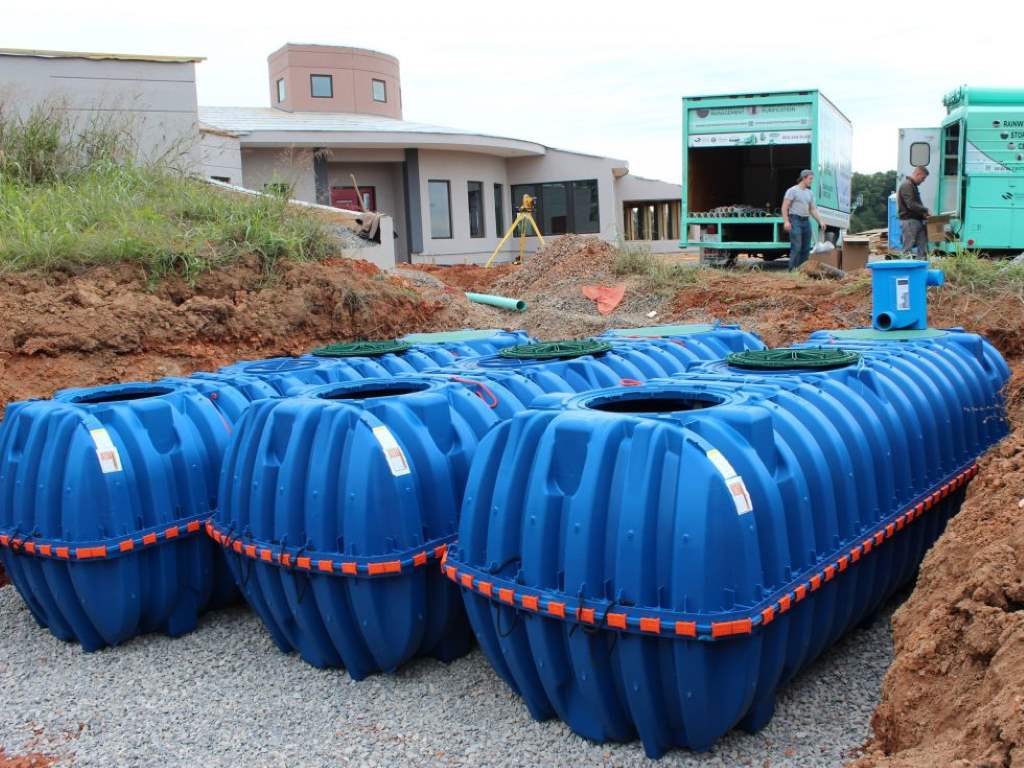
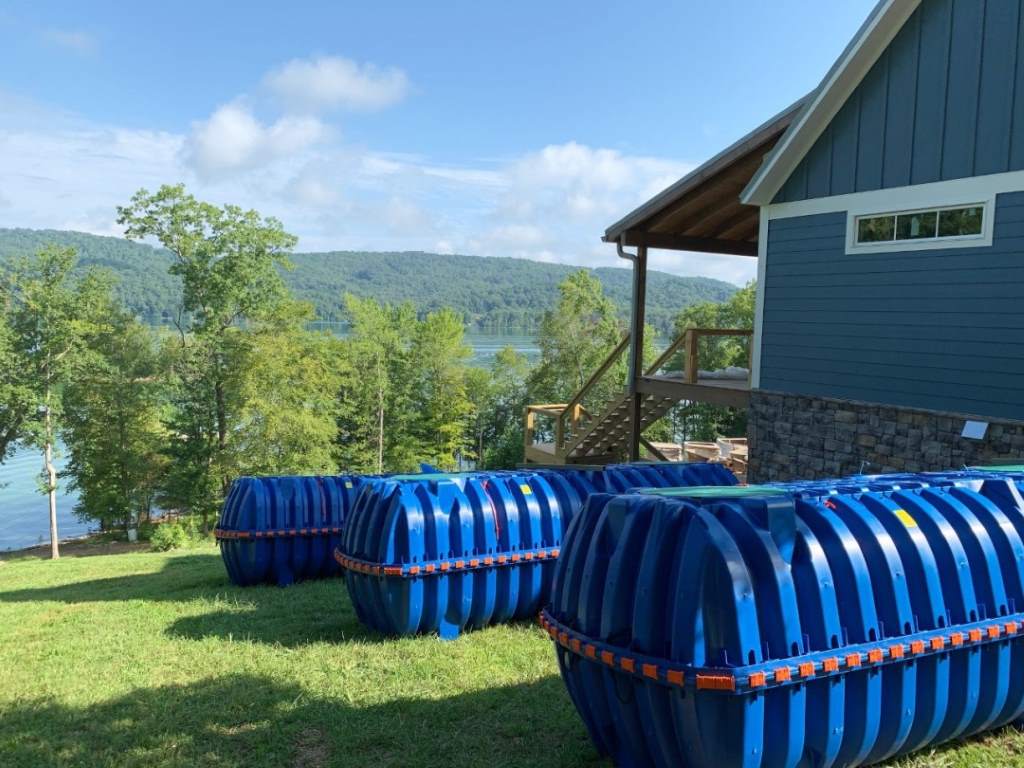
Selecting the right rainwater harvesting systems for residential use depends on your needs and budget. Basic systems, like rain barrels, suit small households or gardens. Larger systems with underground tanks are ideal for extensive use, such as flushing toilets.
Consider your climate and water usage. In rainy regions, larger tanks maximize collection. For instance, my cousin in Seattle uses a 1,000-gallon tank to meet most household needs. Research local suppliers and compare features like filtration or pump systems. Additionally, consult professionals for complex installations. By evaluating these factors, you can choose a system that fits your lifestyle.
Common Challenges and Solutions
Rainwater harvesting systems for residential use may face challenges. One issue is water contamination from debris or algae. Regular filter cleaning and tank maintenance prevent this. Another concern is insufficient storage during dry seasons.
To address this, calculate your water needs and install an appropriately sized tank. For example, my system ran dry during a summer drought, so we added a second barrel. Local regulations can also pose restrictions. Check with your municipality to ensure compliance. By proactively addressing these challenges, you can maintain an efficient and reliable system.
Conclusion
Rainwater harvesting systems for residential use are a sustainable, cost-effective solution for homeowners. They reduce water bills, conserve resources, and protect the environment. My experience with a simple barrel system showed me how easy it is to save money and support eco-friendly practices. With proper setup and maintenance, these systems offer long-term benefits. Start small with a rain barrel or invest in a larger setup to meet your needs. Share your thoughts or experiences in the comments below, or spread the word by sharing this article!
FAQs
How much water can a rainwater harvesting system collect?
A 1,000-square-foot roof can collect about 600 gallons per inch of rain. Actual collection depends on tank size and rainfall.
Are rainwater harvesting systems legal?
Most regions allow them, but some have restrictions. Check local regulations to ensure compliance before installing.
Can harvested rainwater be used for drinking?
With proper filtration and treatment, it’s possible. However, it’s typically used for non-potable tasks like gardening.
How long does a rainwater harvesting system last?
With regular maintenance, systems can last 20–30 years. Quality materials and proper care extend lifespan.
What is the cost of maintaining a rainwater harvesting system?
Maintenance costs are low, typically $50–$100 annually for filter replacements and cleaning supplies.