

Picture your loyal Great Dane sprawling across the living room floor, searching for a comfortable spot to rest after a long day of play. Large and giant dog breeds bring immense joy to families, yet their size creates unique challenges for everyday comfort. These majestic animals often weigh over 90 pounds and stand taller than many small children. Consequently, they require specialized sleeping arrangements to thrive. For instance, an extra large dog bed offers the perfect solution by providing ample space and support tailored to their needs. Research from the National Institutes of Health reveals that osteoarthritis affects about 20 percent of dogs over one year old, with larger breeds facing higher risks. Additionally, a study by the University of Pennsylvania shows that orthopedic beds significantly reduce joint pain and improve mobility in big dogs with arthritis. Therefore, investing in the right bed becomes crucial for their well-being.
Understanding the Needs of Large and Giant Dog Breeds
Large and giant dog breeds stand out due to their impressive stature. For example, Great Danes often reach heights of 30 inches at the shoulder, while English Mastiffs can tip the scales at 200 pounds. These dimensions mean they need more room to stretch out fully during sleep. Moreover, their rapid growth during puppyhood places extra stress on developing bones and joints. As a result, owners must prioritize items that accommodate this size from the start.
Furthermore, these breeds typically live active lives. They enjoy long walks, play sessions, and even guarding duties. However, without proper rest, fatigue sets in quickly. Consequently, a suitable sleeping area helps them recover efficiently. In addition, breeds like Rottweilers and Saint Bernards possess dense muscle mass, which demands supportive surfaces to prevent pressure points. Thus, recognizing these physical traits guides better care decisions.
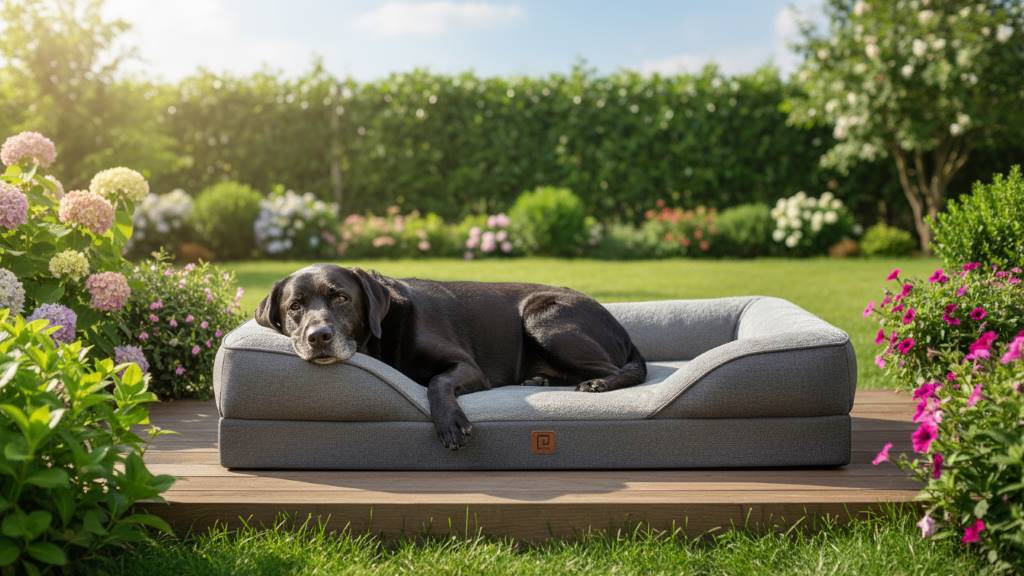
Beyond size, lifestyle factors play a role. Many large dogs serve as working animals in farms or search and rescue teams. Accordingly, they expend high energy levels daily. Yet, inadequate sleep hampers performance and health over time. For this reason, tailored beds ensure they recharge properly. Overall, grasping these needs fosters a stronger bond between you and your furry companion.
Common Health Challenges Faced by Big Dogs
Big dogs encounter several health issues tied to their size. Primarily, joint problems top the list. According to the American Animal Hospital Association, one in five dogs experiences joint discomfort in their lifetime. Larger breeds, such as Labrador Retrievers and German Shepherds, show higher susceptibility. In fact, studies indicate that Chow Chows have a 48.6 percent prevalence of joint issues, while Rottweilers face 38.1 percent.
Additionally, hip dysplasia affects many giant breeds. This condition arises when the hip joint fails to develop correctly, leading to pain and mobility loss. For instance, Great Danes and Basset Hounds often deal with this hereditary problem. Moreover, obesity exacerbates these concerns, as extra weight strains already vulnerable joints. Therefore, maintaining an ideal body condition becomes essential.
Furthermore, arthritis develops more frequently in older large dogs. The American Veterinary Medical Association reports that 20 percent of all dogs suffer from joint discomfort, with rates climbing in heavier breeds. As dogs age, cartilage wears down, causing inflammation and stiffness. Consequently, daily activities like climbing stairs turn challenging. However, early intervention through supportive measures can slow progression.
Beyond joints, spinal issues occasionally arise. Breeds with long backs, like Dachshunds crossed into larger mixes, risk intervertebral disc disease. Yet, proper bedding minimizes these risks by promoting alignment. In summary, awareness of these challenges empowers owners to act proactively.
The Role of XL Dog Beds in Preventing Joint Issues
XL dog beds play a vital part in safeguarding joint health. They distribute weight evenly, reducing pressure on hips, elbows, and shoulders. For example, orthopedic designs use memory foam to contour to the body’s shape. Research from the University of Pennsylvania demonstrates that such beds decrease joint pain and stiffness in arthritic large dogs.
Moreover, these beds improve gait and overall function. Dogs using them show better movement after rest periods. Accordingly, veterinarians recommend them for breeds prone to dysplasia. In addition, the added cushioning absorbs impact from daily activities. Thus, it prevents minor injuries from escalating.
Furthermore, consistent use leads to better nighttime rest. Disturbed sleep aggravates pain, creating a vicious cycle. However, a supportive big dog bed breaks this pattern by allowing deeper slumber. As a result, dogs wake refreshed and ready for the day. Overall, these beds serve as a preventive tool against common ailments.
Key Features That Make XL Beds Superior for Heavy Dogs
Certain features distinguish topquality XL beds for heavy dogs. First, highdensity foam provides firm yet forgiving support. This material resists sagging under substantial weight. Consequently, it maintains shape over extended use.
Second, waterproof covers protect against accidents and spills. Dogs often track in dirt or drool during sleep. Therefore, easy cleaning becomes a priority. Additionally, nonslip bottoms keep the bed stable on various floors. This prevents slips that could cause injury.
Third, elevated designs promote airflow. They keep dogs cool in warmer months and off cold floors in winter. Moreover, some include bolsters for added security. Pups love nestling against them for comfort. In essence, these elements combine to create an ideal resting spot.
To choose wisely, consider your dog’s specific habits. Active breeds might prefer durable fabrics, while seniors benefit from extra padding. Thus, matching features to needs ensures maximum benefit.
Behavioral Benefits: How Better Sleep Improves Your Dog’s Life
Quality sleep influences behavior profoundly. Wellrested dogs exhibit calmer demeanors. For instance, they bark less excessively and show reduced anxiety. Consequently, household harmony improves.
Additionally, improved rest boosts cognitive function. Dogs learn commands faster and retain them longer. Moreover, playtime becomes more engaging. Energetic pups participate fully without tiring quickly.
Furthermore, proper bedding reduces destructive tendencies. Bored or uncomfortable dogs might chew furniture. However, a cozy dog bed for heavy dogs satisfies their need for a personal space. As a result, they respect boundaries better.
In social settings, rested dogs interact positively. They greet visitors with wags instead of wariness. Therefore, investing in comfort enhances overall temperament. Ultimately, these changes strengthen your relationship.
Emotional Well-Being and the Comfort Factor
Comfort extends beyond physical health to emotional stability. Large dogs form deep attachments to their owners. Yet, discomfort disrupts this bond. For example, pain leads to withdrawal or irritability.
However, a spacious bed offers a safe haven. Dogs retreat there during stressful times, like thunderstorms. Accordingly, it builds confidence. Moreover, familiar scents on the bed provide reassurance.
Furthermore, group living benefits from individual spaces. Multiple dogs avoid conflicts over sleeping spots. Thus, peace prevails. In addition, seniors find solace in supportive surfaces amid aging changes.
Overall, emotional health ties closely to physical comfort. Providing an XL bed nurtures both aspects effectively.
Choosing the Right XL Dog Bed for Your Breed
Selecting the perfect bed involves several steps. Begin by measuring your dog. Account for their stretchedout length and width. For giant breeds, aim for beds over 40 inches long.
Next, assess filling types. Memory foam suits joint support, while shredded options offer nestability. Additionally, consider hypoallergenic materials for sensitive skins.
Then, evaluate shape preferences. Rectangular beds fit sprawlers, while donuts appeal to curlers. Moreover, outdoor versions withstand elements if needed.
Finally, observe your dog’s habits. Do they dig before settling? Look for durable covers. This thoughtful approach ensures satisfaction.
Tips for Introducing a New Bed to Your Large Dog
Transitioning to a new bed requires patience. Start by placing it in a familiar area. Encourage exploration with treats.
Additionally, add favorite toys or blankets. Familiar items ease adjustment. Moreover, praise positive interactions.
If resistance occurs, avoid forcing. Instead, lead by example during quiet times. Furthermore, maintain routine to build association.
Over time, most dogs embrace the change. Persistence pays off in better rest.
Maintenance Tips to Keep the Bed in Top Shape
Regular care extends usability. Vacuum surfaces weekly to remove hair and debris. Spot clean stains promptly.
Additionally, wash removable covers as needed. Follow manufacturer guidelines. Moreover, rotate the bed to even wear.
Inspect for damage periodically. Address issues early. Thus, the bed remains inviting.
Real-Life Examples: Stories from Big Dog Owners
Many owners share transformative experiences. Take Sarah, whose Rottweiler struggled with mornings. After switching to an XL orthopedic bed, mobility improved noticeably.
Similarly, Mike’s Great Dane stopped limping postplay. The supportive surface made the difference. These anecdotes highlight practical impacts.
Furthermore, rescue groups note better adoptions with comfortable setups. Healthy, happy dogs attract families faster.
Integrating Beds into Your Home Environment
Beds blend seamlessly into decor. Choose neutral colors for versatility. Place in lowtraffic areas for privacy.
Additionally, multiple beds accommodate different rooms. Dogs follow you without discomfort.
Moreover, portable options suit travel. Consistency maintains routines on the go.
The Long-Term Impact on Your Dog’s Quality of Life
Over years, proper bedding elevates life quality. Dogs remain active longer, enjoying adventures.
Moreover, reduced vet visits stem from prevention. Health spans extend joyfully.
Furthermore, bonds deepen through shared comfort. Daily interactions flourish.
In conclusion, the investment yields lifelong rewards.
Conclusion
XL dog beds deliver essential support for large and giant breeds by addressing their unique size and health needs. They prevent joint issues, enhance comfort, and promote better behavior. Research backs these benefits, showing reduced pain and improved mobility. Consequently, your dog lives happier and healthier. Take action now. Choose a suitable bed and watch the transformation unfold.
FAQs
What Makes XL Dog Beds Different from Standard Ones?
XL dog beds offer larger dimensions to fit big breeds comfortably. They prevent cramped positions that strain joints. Additionally, thicker padding provides superior support. Standard beds often sag under heavy weight, leading to discomfort. Therefore, XL versions ensure proper rest.
How Do Orthopedic Features Benefit Giant Dogs?
Orthopedic features relieve pressure on joints and spine. Memory foam conforms to body shapes, reducing pain. Studies confirm improved gait and restfulness. Giant dogs, prone to arthritis, gain mobility. Thus, these beds support long-term health.
Can XL Beds Help with Behavioral Issues in Large Dogs?
Yes, better sleep from XL beds calms behaviors. Rested dogs show less anxiety and destructiveness. They engage positively in activities. Owners report fewer incidents. Overall, comfort fosters balanced temperaments.
What Size Bed Should I Get for My 150-Pound Mastiff?
For a 150-pound Mastiff, select beds at least 48 inches long. Measure your dog stretched out. Add extra space for movement. Giant breeds need room to avoid edges. This ensures full support.
Are There Specific Breeds That Need XL Beds More?
Breeds like Great Danes and Saint Bernards require XL beds due to size. Their weight demands durable support. Labs and Shepherds benefit too from joint protection. All large breeds thrive with them.
References