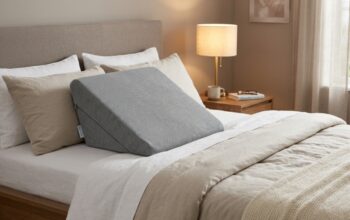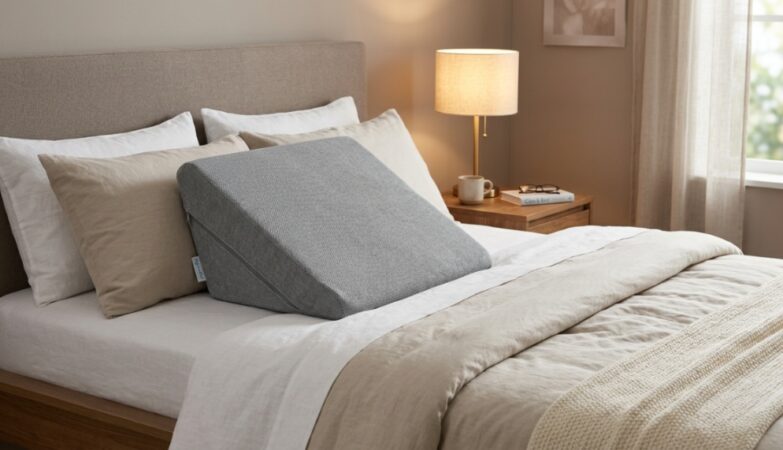

Most people blame mattresses for chronic back pain, but physical therapists often point to another overlooked trigger: unsupported sitting during reading, scrolling, and binge-watching. A poorly designed pillow forces the spine into forward flexion for hours every week. Choosing the right orthopedic reading pillow can reduce spinal strain, support posture, and ease pressure on the lower back, shoulders, and neck while sitting upright in bed or on a couch.
What Is an Orthopedic Reading Pillow and Why Does It Matter for Back Pain?
An orthopedic reading pillow is a structured support pillow designed to maintain healthy spinal alignment while sitting upright. Unlike standard bed pillows, it supports the lumbar spine, neck, shoulders, and arms simultaneously.
Many people use stacked pillows behind their backs, but that setup collapses quickly and creates uneven pressure points. Orthopedic reading pillows are engineered with ergonomic contours, high-density foam, and elevated back support to reduce muscle fatigue during reading, gaming, laptop work, or watching TV.
According to posture specialists and physical therapy clinics, prolonged unsupported sitting can contribute to:
- Lower back tension
- Rounded shoulders
- Neck stiffness
- Sciatic discomfort
- Thoracic spine fatigue
- Poor circulation
A high-quality orthopedic support pillow helps distribute body weight evenly and keeps the spine in a neutral position.
How Does an Orthopedic Reading Pillow Relieve Back Pain?
An orthopedic reading pillow relieves back pain by supporting spinal alignment, reducing pressure on muscles, and minimizing slouching during seated activities.
When the lumbar region lacks support, the pelvis tilts backward. That small shift increases stress across the lower spine and surrounding muscles. Over time, even 20–30 minutes of unsupported sitting can trigger soreness.
An ergonomic reading pillow solves this problem through structured support zones.
What Support Zones Matter Most?
The best models usually include:
- Lumbar support: Maintains lower spine curvature
- Neck support: Prevents forward-head posture
- Armrests: Reduces shoulder tension
- High back panels: Supports upper thoracic posture
- Memory foam core: Prevents collapse over time
People recovering from herniated discs, scoliosis, arthritis, or spinal surgery often benefit from additional structured support while sitting upright.

Which Pillow Filling Is Best for Orthopedic Back Support?
Memory foam is generally the best filling for orthopedic back support because it maintains shape and distributes weight evenly.
However, not every foam pillow performs equally. Density and structure matter more than marketing labels.
| Filling Type | Support Level | Best For | Drawbacks |
|---|---|---|---|
| Shredded Memory Foam | Medium-High | Custom comfort | May shift over time |
| Solid Memory Foam | High | Chronic back pain | Less adjustable |
| Polyester Fiberfill | Low | Light casual use | Flattens quickly |
| Microbead Fill | Medium | Soft contouring | Limited lumbar support |
| Hybrid Foam Blend | High | Long sitting sessions | Usually more expensive |
Physical therapists often recommend high-density shredded memory foam because it balances structure with flexibility.
What Size Orthopedic Reading Pillow Should You Choose?
The correct pillow size depends on your height, shoulder width, and typical sitting position.
A pillow that is too small forces shoulder compression. A pillow that is too large can push the head too far forward.
General Sizing Guidelines
- Small: Kids, teens, petite adults
- Medium: Average-height adults
- Large: Tall users or broader shoulders
- Extra-large: Extended sitting, gaming, recovery support
For people taller than 6 feet, high-back orthopedic pillows with extended neck support usually provide better posture control.
What Features Should You Look for in an Orthopedic Reading Pillow?
The best orthopedic reading pillows combine ergonomic support, breathable materials, and long-term durability.
Many shoppers focus only on softness. That is a mistake. Softness without structure usually worsens posture.
Essential Features to Prioritize
- High-density memory foam
- Machine-washable cover
- Breathable fabric
- Integrated neck roll
- Detachable armrests
- Adjustable filling
- Lumbar contour support
- Portable carrying handle
- Anti-flattening construction
Why Breathability Matters
Heat retention is one of the biggest complaints with memory foam products. Bamboo rayon, cotton blends, and mesh side panels improve airflow and reduce sweating during long reading sessions.
Are Orthopedic Reading Pillows Better Than Regular Pillows?
Yes. Orthopedic reading pillows provide structured spinal support that regular pillows cannot maintain consistently.
Standard pillows compress unevenly under body weight. This causes slouching, shoulder rounding, and pelvic instability. Orthopedic designs maintain posture for longer periods.
| Feature | Orthopedic Reading Pillow | Regular Bed Pillows |
|---|---|---|
| Spinal alignment | Excellent | Poor |
| Lumbar support | Built-in | Minimal |
| Posture control | Structured | Unstable |
| Long-term durability | High | Moderate |
| Arm support | Included | None |
| Neck stabilization | Often included | Limited |
Can an Orthopedic Reading Pillow Help With Neck and Shoulder Pain?
Yes. Proper upper-body support reduces tension in the trapezius muscles, cervical spine, and shoulder joints.
Neck pain often begins with forward-head posture. When reading or using a phone in bed, the neck tilts downward repeatedly. This increases strain across cervical discs and muscles.
An orthopedic reading pillow elevates the torso and supports the shoulders, reducing the need for constant neck compensation.
Some advanced designs include detachable neck rolls specifically engineered for cervical support.
Who Benefits Most From an Orthopedic Reading Pillow?
People with chronic pain, mobility limitations, or prolonged sitting habits usually benefit the most.
Common Users Include:
- Office workers
- Students
- Gamers
- Seniors
- Pregnant women
- Post-surgery recovery patients
- People with scoliosis
- People with arthritis
- Readers and Kindle users
Individuals recovering from spinal surgery often use orthopedic support pillows to maintain comfortable seated positioning without excessive strain.
How Firm Should an Orthopedic Reading Pillow Be?
A medium-firm to firm orthopedic reading pillow usually provides the best back support.
If the pillow feels overly soft, the spine sinks and loses alignment. If it is excessively firm, pressure points may develop around the shoulders and hips.
Quick Firmness Guide
- Soft: Casual lounging only
- Medium: Balanced comfort and support
- Medium-firm: Best for chronic back pain
- Firm: Posture correction and recovery support
For long reading sessions exceeding one hour, medium-firm foam generally performs best.
Do Orthopedic Reading Pillows Improve Posture?
Yes. A properly fitted orthopedic reading pillow encourages neutral spinal positioning and reduces slouching habits.
Posture deterioration often develops gradually through repeated unsupported sitting. Over time, the shoulders round forward and the thoracic spine stiffens.
Using a structured posture pillow consistently can help:
- Reduce forward-head posture
- Decrease spinal compression
- Support pelvic alignment
- Improve seated endurance
- Lower muscle fatigue
Many physical therapists recommend combining ergonomic support products with stretching and mobility exercises.
What Is the Best Sleeping Position After Using a Reading Pillow?
Transitioning from seated posture to a healthy sleeping position helps maintain spinal alignment overnight.
Experts generally recommend:
- Side sleeping: Best for spinal neutrality
- Back sleeping: Reduces pressure on joints
- Avoid stomach sleeping: Increases neck rotation stress
Using a supportive mattress and orthopedic neck pillow further improves recovery from daytime spinal strain.
How Long Does an Orthopedic Reading Pillow Last?
A high-quality orthopedic reading pillow typically lasts between 2 and 5 years depending on material quality and usage frequency.
Lower-grade fiberfill models flatten much faster than memory foam designs.
Signs You Need Replacement
- Visible flattening
- Loss of lumbar support
- Lumps or uneven filling
- Persistent neck discomfort
- Fabric tearing
- Foam odor breakdown
Rotating and fluffing shredded memory foam regularly can extend lifespan.
What Mistakes Should You Avoid When Buying an Orthopedic Reading Pillow?
The biggest mistake is prioritizing softness instead of ergonomic support.
Many buyers choose oversized plush pillows that feel comfortable initially but fail to maintain spinal alignment.
Common Buying Mistakes
- Ignoring lumbar support
- Choosing cheap low-density filling
- Buying oversized pillows without neck support
- Skipping washable covers
- Ignoring posture needs
- Not checking return policies
- Choosing style over structure
Another overlooked mistake is using reading pillows on overly soft mattresses. A sinking surface reduces support effectiveness.
Should You Choose Adjustable Orthopedic Reading Pillows?
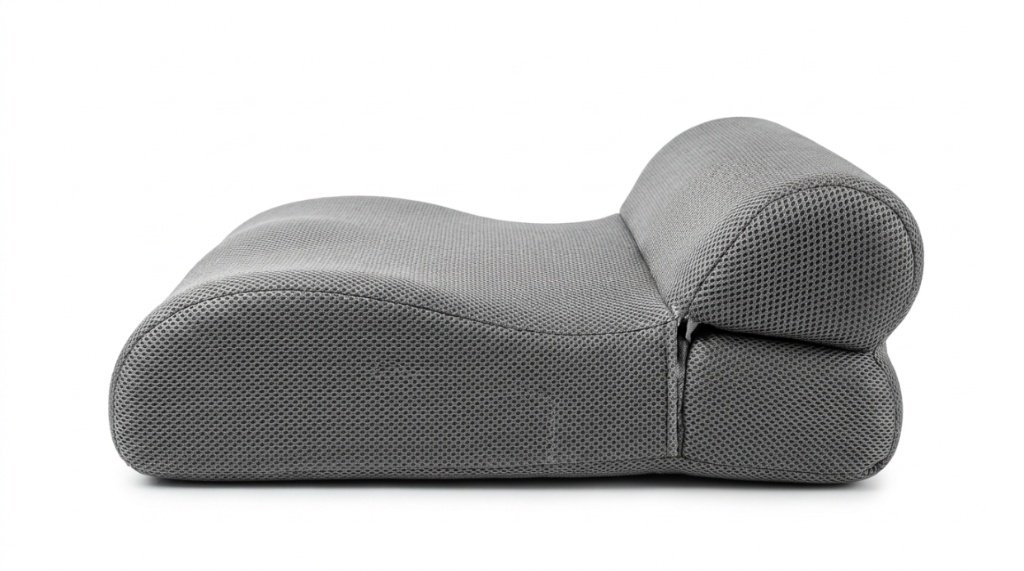
Yes. Adjustable orthopedic reading pillows offer better long-term customization for changing comfort needs.
Removable shredded foam inserts allow users to modify firmness and height. This is especially useful for people with fluctuating pain levels or different sitting preferences.
Adjustable models also adapt better for:
- Pregnancy support
- Post-surgery recovery
- Teen growth stages
- Shared household use
Are Orthopedic Reading Pillows Worth the Investment?
Yes. A quality orthopedic reading pillow can improve comfort, posture, and long-term spinal support significantly.
Considering how many hours people spend reading, working on laptops, or watching screens in bed, posture support becomes more than a comfort purchase. It becomes a preventive health decision.
Many users report:
- Reduced lower back pain
- Less neck stiffness
- Improved sitting endurance
- Better relaxation
- Reduced shoulder fatigue
When paired with ergonomic habits and regular movement, an orthopedic support pillow can become part of a healthier daily routine.
Conclusion
Selecting the right orthopedic reading pillow is not just about comfort. It is about protecting spinal alignment during the hours spent reading, working, streaming, or recovering. A well-designed pillow supports the lumbar spine, stabilizes the shoulders, and reduces stress across the neck and lower back.
The best choice depends on your body size, posture habits, support needs, and preferred firmness level. High-density memory foam, ergonomic lumbar contours, breathable materials, and adjustable filling consistently deliver the best results for back pain relief.
Ignoring seated posture for years often leads to stiffness, fatigue, and chronic discomfort. Small ergonomic upgrades can make a measurable difference over time. Investing in a supportive orthopedic reading pillow may help reduce daily strain while improving relaxation and posture quality.
If you regularly experience soreness while sitting in bed or on a couch, now is the right time to evaluate your support system and upgrade to a posture-focused solution designed for spinal health.
FAQ: Orthopedic Reading Pillow
What is the best orthopedic reading pillow for lower back pain?
The best orthopedic reading pillow for lower back pain usually includes medium-firm memory foam, lumbar contour support, and extended back height for spinal alignment.
Can an orthopedic reading pillow help sciatica?
Yes. Proper lumbar and pelvic support may reduce pressure on the sciatic nerve and improve seated posture during long sitting sessions.
Are memory foam reading pillows better than fiberfill pillows?
Yes. Memory foam maintains shape longer and provides more consistent spinal support than polyester fiberfill.
How do I clean an orthopedic reading pillow?
Most orthopedic reading pillows have removable machine-washable covers. Foam inserts should usually be spot-cleaned only.
Can I use an orthopedic reading pillow after surgery?
Many post-surgery patients use orthopedic support pillows for seated recovery comfort, but medical approval from a healthcare provider is recommended.
What size orthopedic reading pillow should tall people buy?
Tall users generally benefit from large or extra-large models with extended neck and upper-back support.
How often should orthopedic reading pillows be replaced?
Most high-quality orthopedic reading pillows last between 2 and 5 years, depending on foam quality and usage frequency.