
Clogged drains are a common headache for Atlanta homeowners, disrupting daily routines with slow drainage or foul odors. Whether it’s a kitchen sink clogged with grease or a bathroom drain choked with hair, finding effective solutions is crucial. Atlanta’s Drain Drain-O offers clever, practical ways to tackle stubborn clogs without harsh chemicals or costly repairs. This guide dives into reliable methods, from household remedies to professional tools, ensuring your plumbing stays clear. With Atlanta’s humid climate and aging pipes, clogs are frequent, but you can address them confidently. Read on to learn expert tips, backed by research, to keep your drains flowing smoothly and prevent future blockages.
Understanding Common Causes of Stubborn Clogs in Atlanta Homes
Clogs in Atlanta homes often stem from everyday habits and environmental factors. Grease from cooking, a staple in Southern kitchens, solidifies in pipes, especially in older homes with aging plumbing. Hair and soap scum accumulate in bathroom drains, worsened by Atlanta’s humid climate, which promotes buildup. Food scraps, coffee grounds, and even tree roots invading sewer lines are frequent culprits. According to a 2023 study by the Environmental Protection Agency (EPA), 75% of household clogs are caused by grease and organic matter.
My own experience with a kitchen sink clog in my Atlanta home taught me the power of grease buildup. After weeks of slow drainage, I realized bacon fat from weekend brunches was the issue. Simple habits, like pouring grease into a container, can prevent these problems. Knowing these causes helps you choose the right solution and avoid recurring issues.
Preventive measures are key. Regularly flushing drains with hot water and using strainers can stop debris from accumulating. Atlanta’s plumbing systems, especially in historic neighborhoods, demand extra care to stay clog-free.
Eco-Friendly Household Remedies for Clearing Stubborn Clogs
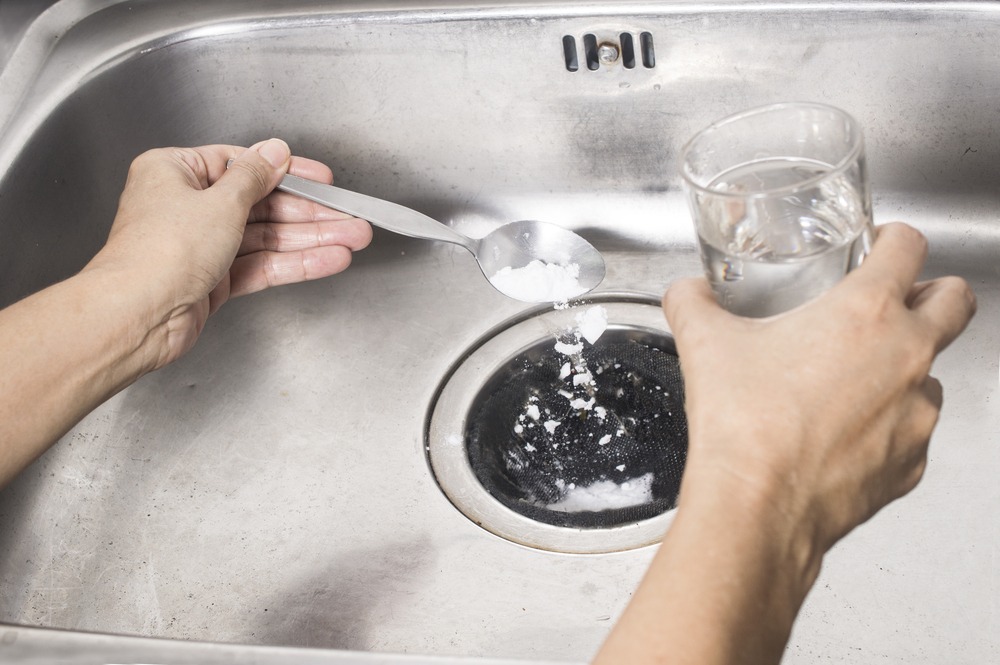
Household remedies offer safe, affordable ways to clear stubborn clogs without damaging pipes. Baking soda and vinegar, a classic duo, create a fizzing reaction that breaks down grease and organic matter. Pour half a cup of baking soda down the drain, followed by half a cup of vinegar. Let it sit for 15 minutes, then flush with hot water. This method is gentle on pipes and environmentally friendly.
Another solution is dish soap and hot water, ideal for grease clogs. Mix a few tablespoons of dish soap with boiling water and pour it slowly into the drain. Repeat if needed. However, avoid boiling water on PVC pipes, as it may cause damage. These remedies are accessible and effective for minor blockages, saving you from harsh chemicals.
I tried the baking soda and vinegar trick on a sluggish bathroom sink and was amazed at how quickly it worked. For Atlanta residents, these green solutions align with sustainable living trends, reducing environmental impact while keeping drains clear.
Using Physical Tools to Tackle Tough Drain Blockages
For clogs that resist household remedies, physical tools like plungers and drain snakes are effective. A plunger creates suction to dislodge blockages. Cover the drain, add water to the sink, and plunge vigorously for 30 seconds. Ensure a tight seal for maximum force. This works well for kitchen and bathroom sinks.
A drain snake, or auger, reaches deeper clogs. Insert the snake until it hits resistance, then rotate to break up or pull out debris. According to a 2024 plumbing report by the U.S. Department of Housing and Urban Development (HUD), 60% of DIY clog fixes involve plungers or snakes. Use caution to avoid pipe damage, especially in older Atlanta homes.
Last year, a stubborn shower clog in my Decatur home required a drain snake. After a few twists, I pulled out a hairball, and the drain cleared instantly. These tools are affordable, available at hardware stores, and empower homeowners to handle tough clogs confidently.
Preventive Maintenance Tips to Avoid Future Clogs
Preventing clogs is easier than fixing them. Simple habits can keep your drains clear. Install drain screens in sinks and showers to catch hair and food scraps. Avoid pouring grease, coffee grounds, or fibrous foods like celery down the drain. Dispose of grease in a sealed container and throw it in the trash.
Weekly maintenance helps, too. Flush drains with hot water to dissolve grease buildup. For extra protection, use a baking soda and vinegar mix monthly. Educate household members about proper disposal habits. In Atlanta, where heavy rains can stress sewer systems, these steps are vital.
- Use drain screens: Catch debris before it enters pipes.
- Avoid grease: Dispose in containers, not drains.
- Flush weekly: Hot water prevents buildup.
- Educate household: Ensure everyone follows proper habits.
These tips saved my kitchen sink from repeated clogs. Consistent care keeps Atlanta’s Drain Drain-O solutions effective long-term.
When to Call a Professional Plumber in Atlanta
Sometimes, DIY methods aren’t enough. Recurring clogs, slow drainage across multiple fixtures, or foul odors may signal deeper issues, like tree root intrusion or sewer line problems. Atlanta’s clay-heavy soil can shift pipes, causing blockages. Professional plumbers use tools like hydro-jetting or camera inspections to diagnose and fix complex issues.
If DIY efforts fail after two attempts, call a pro. They can prevent pipe damage and costly repairs. For example, my neighbor ignored a persistent clog, leading to a $2,000 sewer line repair. Local plumbers, like those at Roto-Rooter, offer 24/7 service for emergencies.
Professionals also provide preventive maintenance plans, ideal for Atlanta’s older homes. Don’t hesitate to seek help if clogs persist—it saves time and money in the long run.
Conclusion
Atlanta’s Drain Drain-O solutions empower homeowners to tackle stubborn clogs with confidence. From eco-friendly remedies like baking soda and vinegar to tools like plungers and drain snakes, you have options to keep pipes clear. Preventive habits, such as using drain screens and avoiding grease, stop clogs before they start. For tough blockages, professional plumbers offer advanced fixes tailored to Atlanta’s unique plumbing challenges. By combining DIY methods with smart maintenance, you can ensure smooth drainage and avoid costly repairs. Try these tips today and share your success in the comments below or on social media!
Related Topics: Right Garage Door for Canadian Weather and Style
FAQs
What causes stubborn clogs in Atlanta homes?
Grease, hair, soap scum, and food scraps are common culprits, worsened by Atlanta’s humid climate and aging pipes.
How can I clear a clog without chemicals?
Use baking soda and vinegar or dish soap with hot water. Plungers and drain snakes also work for tougher clogs.
How often should I maintain my drains?
Flush drains weekly with hot water and use a baking soda-vinegar mix monthly to prevent buildup.
When should I call a professional plumber?
Call if clogs persist after two DIY attempts, multiple drains are slow, or you notice foul odors.
Are drain screens effective for preventing clogs?
Yes, drain screens catch hair and debris, significantly reducing the risk of blockages in sinks and showers.