Rainwater harvesting systems are changing urban gardening for the better. Imagine turning every raindrop into a resource for your plants. These systems collect and store rainwater, making gardens thrive sustainably. As cities grow, water scarcity becomes a challenge, but rainwater harvesting systems offer a solution. They’re eco-friendly, cost-effective, and easy to set up. I’ve seen my small balcony garden flourish since installing a simple barrel system last year. According to the Environmental Protection Agency (EPA), harvesting rainwater can reduce household water use by up to 50%. This blog post explores how these systems work, their benefits, and how you can start one. Let’s dive into creating a greener urban garden with rainwater harvesting systems.
Why Rainwater Harvesting Matters for Urban Gardens
Urban gardens face unique challenges like limited space and water access. Rainwater harvesting systems address these by capturing runoff from roofs or patios. This water is free, clean, and perfect for plants, unlike treated tap water. Additionally, it reduces strain on city water supplies. A study by the University of Arizona found that urban households using rainwater systems saved 20-50% on water bills annually. My neighbor, Jane, installed a system and noticed her herbs grew lusher without chemical-heavy tap water.
Moreover, these systems promote sustainability. They lower your carbon footprint by reducing energy used in water treatment. For small gardens, even a 50-gallon barrel can make a difference. Rainwater is naturally soft, benefiting soil health. Thus, adopting rainwater harvesting systems is a smart move for eco-conscious gardeners.
Types of Rainwater Harvesting Systems
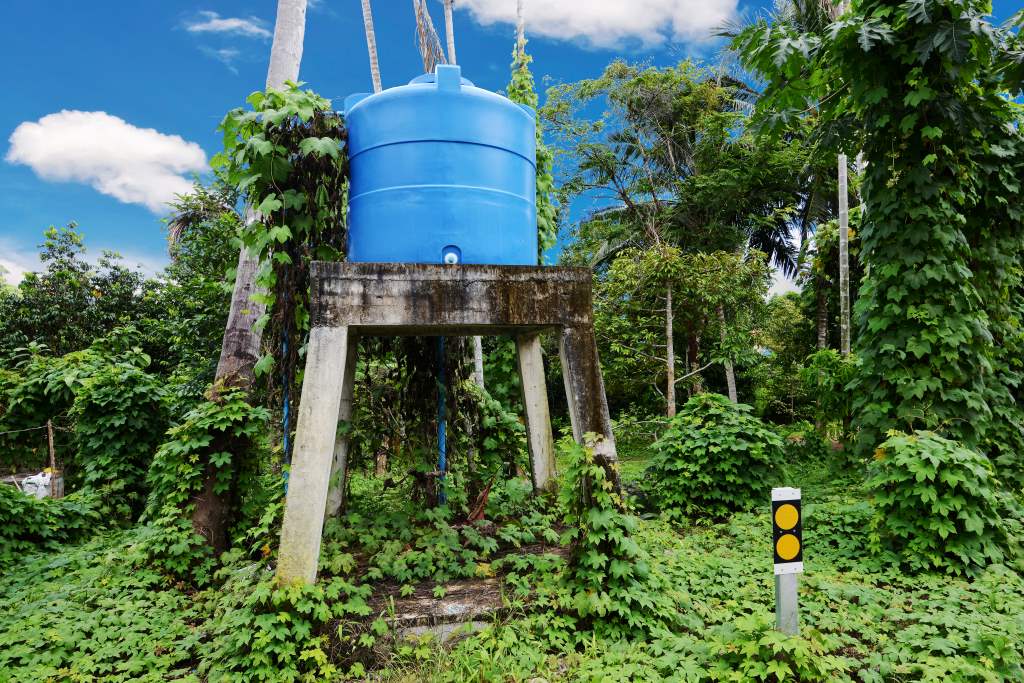
Rainwater harvesting systems come in various forms, suited for urban spaces. The simplest is a rain barrel, which collects water from downspouts. These are affordable and fit small patios or balconies. For example, my 60-gallon barrel cost $80 and was easy to install. Larger systems, like cisterns, store thousands of gallons for bigger gardens. However, they require more space and investment.
Another option is modular tank systems, which are stackable for tight spaces. According to the American Rainwater Catchment Systems Association, modular systems can store up to 80% more water than barrels in the same footprint. Each type has unique benefits, like overflow management or filtration. Choose based on your garden’s size and rainfall patterns. Research local regulations, as some cities offer rebates for installation.
Rain Barrel Systems
- Cost: $50–$150, ideal for beginners.
- Capacity: 50–100 gallons, perfect for small gardens.
- Pros: Easy setup, low maintenance, portable.
Cistern Systems
- Cost: $500–$5,000, suited for larger setups.
- Capacity: 1,000–10,000 gallons, great for frequent rain.
- Pros: High storage, durable, customizable.
Benefits of Rainwater Harvesting for Urban Gardens
Rainwater harvesting systems offer multiple advantages for urban gardeners. First, they save money. By using free rainwater, you cut water bills significantly. The EPA notes that households can save up to 1,300 gallons monthly during peak gardening seasons. My tomato plants thrived last summer, and I barely used tap water. Additionally, rainwater is free of chlorine, benefiting plant roots and soil microbes.
Environmentally, these systems reduce runoff, preventing urban flooding. They also ease pressure on municipal drainage systems. For instance, cities like Seattle encourage rainwater harvesting to manage stormwater. Furthermore, collected water supports biodiversity by keeping gardens lush. By adopting rainwater harvesting systems, you’re nurturing your garden and the planet. Start small, and you’ll see the difference.
How to Set Up a Rainwater Harvesting System
Setting up a rainwater harvesting system is straightforward. First, choose a collection point, like a roof or patio, where water flows naturally. Place a rain barrel or cistern under a downspout. Ensure it’s elevated for easy access to the spigot. I used cinder blocks to raise mine, making watering cans simple to fill. Next, install a screen to filter debris like leaves. This keeps water clean and prevents clogs.
For efficiency, add a diverter to manage overflow. Link multiple barrels for extra storage if needed. Check local codes, as some areas require permits. The University of Arizona suggests cleaning systems biannually to avoid algae. Maintenance is minimal—empty barrels in winter to prevent freezing. With these steps, your rainwater harvesting system will be ready to nurture your garden.
Steps to Install a Rain Barrel
- Select a flat, sturdy surface near a downspout.
- Cut the downspout to fit the barrel’s inlet.
- Add a mesh screen to block debris.
- Connect an overflow valve to redirect excess water.
- Test the system during rain to ensure proper flow.
Challenges and Solutions in Rainwater Harvesting
Rainwater harvesting systems aren’t without challenges. Limited space in urban areas can make large systems impractical. However, compact barrels or modular tanks solve this. Another issue is water quality. Leaves or pollutants can contaminate collected water. Using filters and regular cleaning addresses this. I learned to check my barrel’s screen monthly after noticing debris buildup.
Seasonal variations also pose problems. In dry months, storage may run low. Pairing systems with drip irrigation maximizes efficiency. Additionally, some regions have strict regulations. Research local laws to avoid fines. The National Conference of State Legislatures reports that 18 states offer incentives for rainwater harvesting. By planning ahead, you can overcome these hurdles and maintain a thriving garden.
Real-Life Impact: My Rainwater Harvesting Journey
Last spring, I decided to try rainwater harvesting for my balcony garden. With just a 50-gallon barrel, I transformed my space. My basil and peppers grew healthier, and I saved $20 monthly on water bills. The setup took one afternoon, guided by a YouTube tutorial. However, I faced a challenge when mosquitoes bred in standing water. Adding a tight-fitting lid and a teaspoon of eco-friendly larvicide solved it.
This experience taught me the value of small changes. My garden now supports pollinators, and I feel connected to nature. Rainwater harvesting systems aren’t just practical; they’re rewarding. They make urban gardening sustainable and fun. If I can do it in a tiny apartment, anyone can.
Scaling Up: Advanced Rainwater Harvesting Tips
For experienced gardeners, advanced rainwater harvesting systems offer more potential. Consider integrating a first-flush diverter to discard initial runoff, which may contain pollutants. You can also add a pump for pressurized watering, ideal for larger gardens. My friend Mark upgraded his system with a solar-powered pump, making irrigation effortless. Additionally, connect your system to a drip irrigation setup for precise watering.
Monitor water pH to ensure it’s plant-friendly, typically between 6.0 and 7.0. Test kits are affordable and easy to use. For inspiration, check resources like the American Rainwater Catchment Systems Association. These steps elevate your system, ensuring your urban garden thrives year-round.
Conclusion
Rainwater harvesting systems are a game-changer for urban gardens. They save money, support eco-friendly practices, and nurture healthier plants. From simple barrels to advanced cisterns, these systems fit any space. My journey with a small barrel showed me their impact—lush plants and lower bills. By adopting rainwater harvesting systems, you’re investing in sustainability. The EPA highlights their role in reducing water use, making them vital for city dwellers. Start small, experiment, and watch your garden flourish. Share your thoughts or experiences in the comments below, or spread this article to inspire others. Let’s make urban gardening greener together!
FAQs
Why should I use a rainwater harvesting system in my urban garden?
It saves water bills, reduces runoff, and provides chemical-free water for healthier plants.
How much does a rainwater harvesting system cost?
Basic rain barrels cost $50–$150, while cisterns range from $500–$5,000, depending on size.
Are rainwater harvesting systems legal in all cities?
Most cities allow them, but check local regulations, as some require permits or offer rebates.
How do I maintain a rainwater harvesting system?
Clean filters monthly, empty barrels in winter, and check for algae or debris biannually.
Can rainwater harvesting systems work in small spaces?
Yes, compact barrels or modular tanks fit balconies and patios, perfect for urban gardens.