Choosing the right window treatments can transform your home’s appearance and functionality. However, many homeowners struggle with getting the correct measurements for their blinds. This comprehensive guide from Decoracaos will walk you through everything you need to know about selecting the perfect blind size for your windows.
Getting the wrong size blinds is a common mistake that can lead to poor light control, reduced privacy, and an unprofessional appearance. Additionally, incorrectly sized blinds may not function properly or could even pose safety risks. Therefore, understanding the proper measurement techniques is essential before making your purchase.
The key to success lies in knowing how to know what size blinds to buy through accurate measurements and understanding the difference between inside and outside mount options. Furthermore, considering factors like window depth and obstruction will ensure your blinds operate smoothly and look professionally installed.
Understanding Inside Mount vs Outside Mount
Before taking any measurements, you must decide between inside mount and outside mount installation. This decision significantly impacts how you measure your windows and the final appearance of your blinds.
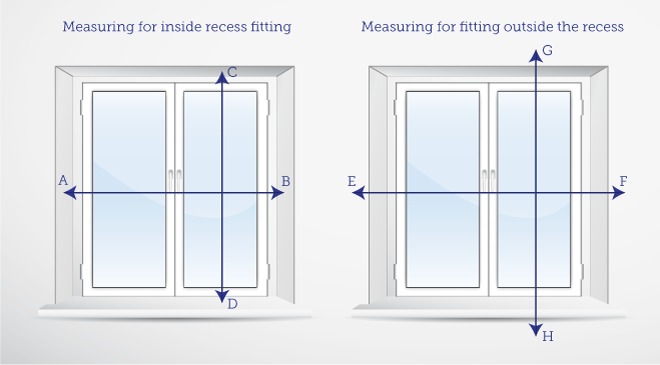
Inside mount blinds fit within the window frame opening. They create a clean, streamlined look that showcases your window trim. However, inside mounting requires sufficient depth within the window frame and precise measurements since there’s little room for error.
Outside mount blinds, on the other hand, are installed on the wall or window trim surrounding the window opening. This option works well for windows with insufficient depth or when you want to make windows appear larger. Additionally, outside mounting provides better light control and privacy since the blinds extend beyond the window frame.
Essential Tools for Measuring Windows
Accurate measurements require the right tools. Therefore, gather these items before you begin measuring your windows.
A metal measuring tape is essential for precise measurements. Avoid cloth or plastic tapes as they can stretch and provide inaccurate readings. Furthermore, you’ll need a pencil and paper to record your measurements for each window.
A level will help ensure your blinds hang straight, especially for outside mount installations. Additionally, having a stepladder or sturdy chair will allow you to measure tall windows safely. Finally, consider having a helper to hold the measuring tape for larger windows.
Step-by-Step Measuring Guide for Inside Mount Blinds
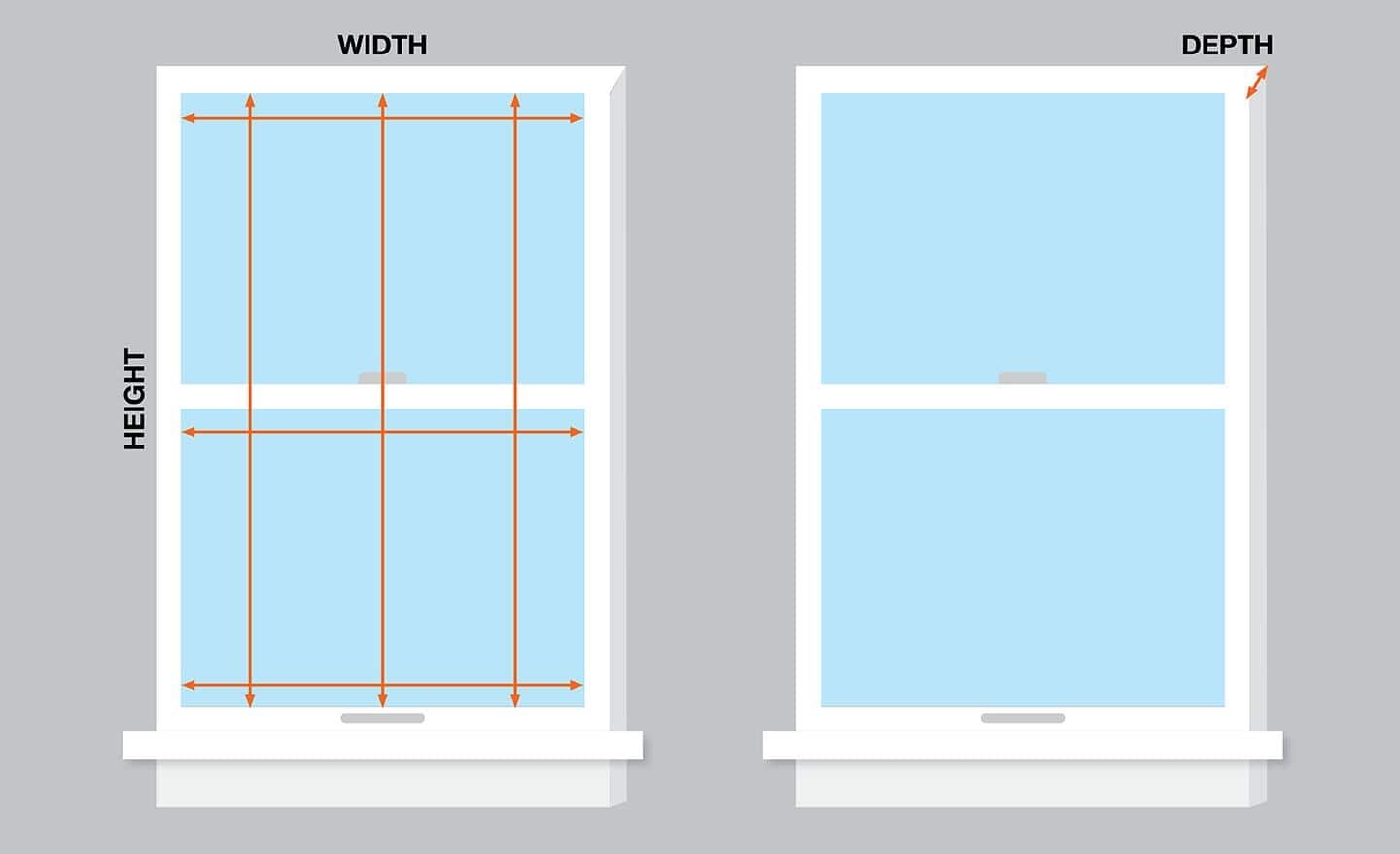
Inside mount measurements require precision since the blinds must fit within the existing window frame. Start by measuring the width of the window opening at three different points: top, middle, and bottom.
Record the narrowest width measurement, as this ensures your blinds will fit properly. Windows are rarely perfectly square, so the narrowest point prevents binding issues. However, most manufacturers will make minor deductions from your measurements to ensure proper fit.
Next, measure the height from the top of the window opening to the sill at three points: left, center, and right. Use the longest measurement for height to ensure full coverage. Additionally, check that your window frame has adequate depth, typically requiring at least 2 inches for most blind types.
Step-by-Step Measuring Guide for Outside Mount Blinds
Outside mount measurements offer more flexibility but require careful planning for optimal appearance and function. Start by determining how much coverage you want beyond the window frame on each side.
For width, measure the window opening and add 4 to 6 inches total (2 to 3 inches on each side) for better light control and privacy. However, ensure you have adequate wall or trim space for mounting brackets. Furthermore, consider any obstructions like door frames or adjacent windows.
For height, measure from where you plan to mount the headrail to your desired bottom point. Typically, mount the headrail 2 to 4 inches above the window frame and extend 2 to 4 inches below the sill or to the floor for full-length blinds. Additionally, according to Better Homes & Gardens, proper measurements are crucial for achieving a professional appearance.
Common Measuring Mistakes to Avoid
Many homeowners make preventable errors when measuring for blinds. One frequent mistake is measuring only once instead of taking multiple measurements at different points. Windows often have irregularities that single measurements won’t reveal.
Another common error is forgetting to account for window hardware like handles, cranks, or locks. These obstructions can prevent proper blind operation if not considered during measurement. Therefore, always check for protruding hardware before finalizing your measurements.
Additionally, mixing up inside and outside mount measurements causes sizing problems. Each mounting type has different measurement requirements, so decide on your mounting preference before measuring. Furthermore, failing to measure window depth for inside mount blinds often leads to installation issues.
Special Considerations for Different Window Types
Different window styles require specific measurement considerations. Bay windows, for instance, need individual measurements for each section rather than one continuous measurement. Each angled section should be treated as a separate window.
Arched windows present unique challenges since standard rectangular blinds won’t fit properly. Consider custom solutions or alternative treatments for these specialty windows. However, you can measure just the rectangular portion if you’re comfortable leaving the arch uncovered.
French doors and sliding glass doors require careful measurement of both width and clearance. Ensure blinds won’t interfere with door operation by checking swing patterns and handle locations. Additionally, consider how foot traffic patterns might affect blind placement and operation.
Choosing the Right Blind Type for Your Measurements
Your measurements will influence which blind types work best for your windows. Venetian blinds typically require more depth than cellular shades, making them better suited for deeper window frames or outside mounting.
Vertical blinds work well for wide windows and sliding doors but need adequate ceiling height for proper operation. Furthermore, roller blinds require minimal depth, making them ideal for shallow window frames with inside mounting.
Consider your window’s proportions when selecting blind types. Narrow windows benefit from outside mounting to create the illusion of width, while wide windows can accommodate inside mounting for a cleaner appearance. Additionally, factor in your room’s decor style and functional needs when making your selection.
Double-Checking Your Measurements
Before placing your order, verify all measurements carefully. Re-measure each window and compare your numbers to ensure consistency. Small discrepancies might indicate measurement errors that could affect blind fit and function.
Have someone else verify your measurements if possible. Fresh eyes often catch mistakes that you might miss. Furthermore, double-check that you’ve recorded measurements correctly for each specific window, as mixing up numbers between different windows is a common error.
Consider the manufacturer’s specifications and tolerances. Some companies automatically adjust measurements for proper fit, while others use your exact specifications. Therefore, understand your supplier’s policies before finalizing your order.
Professional Installation vs DIY Considerations
Your measurement accuracy becomes even more critical if you plan to install the blinds yourself. Professional installers can often compensate for minor measurement errors, but DIY installation requires precise measurements for success.
If you’re uncomfortable with measuring or have complex windows, consider professional measurement services. Many blind retailers offer this service, sometimes free with purchase. However, accurate self-measurement is certainly achievable with patience and attention to detail.
Conclusion
Learning how to measure for blinds properly ensures you get window treatments that fit perfectly and function smoothly. Remember to decide between inside and outside mounting first, use proper measuring tools, and take multiple measurements at different points. Avoid common mistakes by accounting for obstructions and understanding your window type’s specific requirements.
Taking time to measure accurately will save money and frustration while ensuring your blinds enhance your home’s appearance and functionality. Furthermore, when in doubt, don’t hesitate to consult with professionals or take advantage of measurement services offered by retailers.
Read More Also: Build Your Own Smart Home Dashboard with a Raspberry Pi and Old Tablet
Frequently Asked Questions
How much smaller should inside mount blinds be than the window opening?
Most manufacturers automatically deduct 1/4 to 1/2 inch from your width measurement for inside mount blinds to ensure proper fit and operation. However, provide your exact window opening measurements and let the manufacturer make appropriate deductions.
Can I install outside mount blinds if my window frame is too shallow for inside mount?
Yes, outside mount installation is an excellent solution for shallow window frames. This mounting style actually provides better light control and privacy since the blinds extend beyond the window opening.
What’s the minimum window depth required for inside mount blinds?
Most blinds require at least 2 inches of window depth for inside mount installation. However, some slim profile blinds need only 1.5 inches. Check specifications for your chosen blind type before measuring.
Should I round up or down when my measurements include fractions?
For inside mount blinds, round down to the nearest 1/8 inch to ensure fit. For outside mount blinds, you can round to the nearest 1/8 inch since you have more flexibility with mounting position.
How do I measure for blinds on windows with protruding handles or cranks?
Measure the window opening normally, but note the location and depth of any protruding hardware. You may need to choose outside mount installation or select blinds with sufficient clearance to operate around the obstruction.