Refinishing a bathtub vs replacing it is a common dilemma for homeowners aiming to refresh their bathrooms. Both options can transform an old, worn-out tub, but they differ in cost, time, and results. Refinishing involves resurfacing the existing tub, while replacing it means installing a new one. This choice impacts your budget, timeline, and bathroom’s aesthetic. According to a 2024 HomeAdvisor report, refinishing costs $300–$600, while replacement ranges from $1,000–$5,000. This blog post explores the pros, cons, and key considerations of refinishing a bathtub vs replacing it, helping you make an informed decision. With personal insights and expert data, we’ll guide you to the best option for your home.
What Is Bathtub Refinishing?
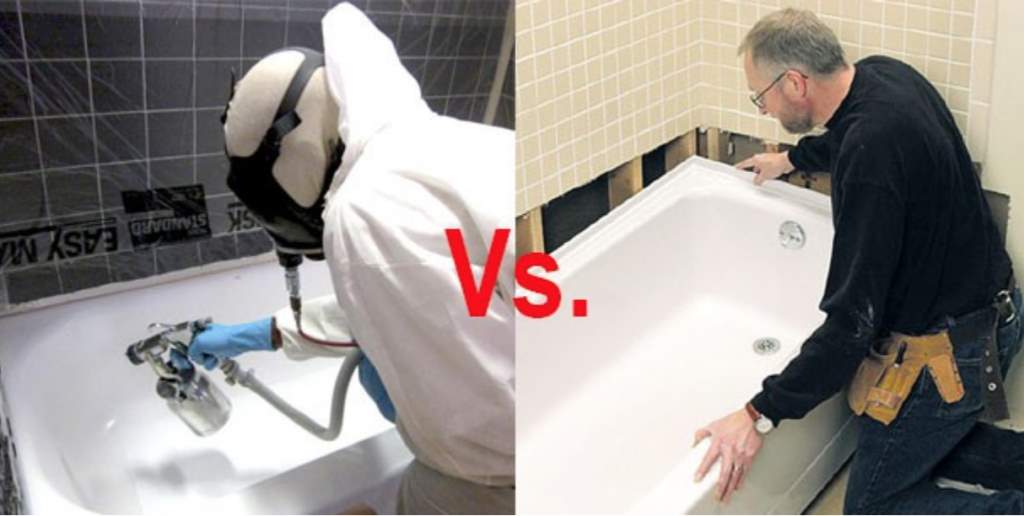
Bathtub refinishing, also called reglazing, restores the surface of an existing tub. Professionals clean, repair, and apply a new coating to give it a fresh look. The process takes 3–5 hours and lasts 5–15 years with proper care. It’s ideal for tubs with minor scratches, stains, or chips. Refinishing a bathtub vs replacing it saves money and time, making it a popular choice for budget-conscious homeowners.
The process starts with sanding the tub’s surface, followed by applying a primer and topcoat. According to the National Kitchen and Bath Association (NKBA), refinishing reduces waste by reusing existing fixtures. However, the coating may peel if not done correctly, and it’s less durable than a new tub. My own experience with refinishing a chipped tub saved me $2,000 compared to replacement, but I noticed slight wear after 7 years.
Benefits of Refinishing a Bathtub
Refinishing a bathtub offers several advantages. It’s cost-effective, typically costing $300–$600, compared to $1,000–$5,000 for replacement. The process is quick, often completed in a day, minimizing disruption. Additionally, refinishing allows you to customize colors and finishes, refreshing your bathroom’s look without major renovations.
Another benefit is environmental impact. Refinishing reuses the existing tub, reducing landfill waste. A 2023 EPA report states that home renovations contribute 12% to annual construction waste. Refinishing is also versatile, working on porcelain, fiberglass, or acrylic tubs. However, the finish may not withstand heavy scrubbing or harsh chemicals, so proper maintenance is key. In my case, refinishing my tub gave it a glossy look that matched my bathroom’s style, but I had to avoid abrasive cleaners to maintain it.
Drawbacks of Bathtub Refinishing
While refinishing is budget-friendly, it has limitations. The coating can chip or peel if not applied properly, requiring touch-ups. It’s also less durable than a new tub, lasting 5–15 years compared to 20–30 years for replacements. Additionally, refinishing doesn’t fix structural issues like cracks or leaks, which may need professional repairs first.
Another downside is the chemical odor during application, which can linger for days. Proper ventilation is crucial. Refinishing a bathtub vs replacing it may not suit those seeking a permanent solution or a complete style change. For example, I considered refinishing my tub again but realized it couldn’t address a small crack, pushing me toward replacement for long-term durability.
What Does Bathtub Replacement Involve?
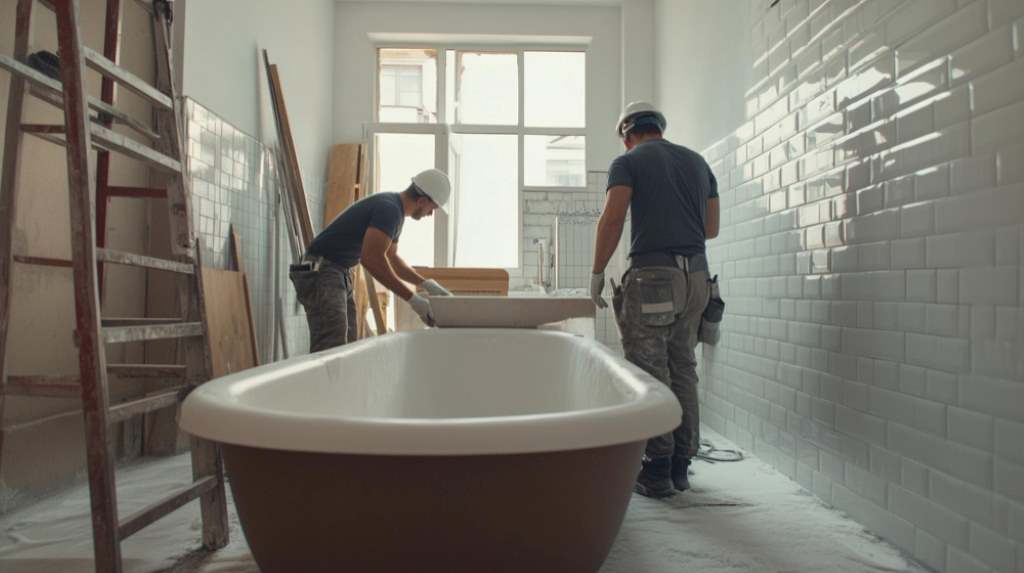
Bathtub replacement involves removing the old tub and installing a new one. This process takes 1–3 days, depending on plumbing and tiling needs. Replacement allows you to choose modern designs, sizes, or materials like acrylic, cast iron, or fiberglass. It’s ideal for outdated or damaged tubs that refinishing can’t fix.
The process includes demolition, plumbing adjustments, and new installation, which increases costs. According to HomeAdvisor, labor accounts for 40–60% of replacement costs ($1,000–$5,000). Replacement offers durability and a fresh start but requires more time and money. When I replaced a tub in my guest bathroom, the new acrylic model improved both function and style, though the project took two days and cost $3,500.
Advantages of Replacing a Bathtub
Replacing a bathtub provides long-term benefits. New tubs are durable, lasting 20–30 years with proper care. You can choose from various styles, like freestanding or alcove tubs, to match your bathroom’s design. Additionally, replacement fixes structural issues, such as leaks or cracks, that refinishing can’t address.
Another advantage is customization. Modern tubs offer features like deeper soaking areas or built-in jets. A 2024 NKBA survey found that 65% of homeowners prefer replacement for aesthetic upgrades. Replacement also increases home value, appealing to buyers. However, the higher cost and longer timeline may deter some. In my experience, replacing my tub added a luxurious feel to my bathroom, making it a worthwhile investment.
Disadvantages of Bathtub Replacement
Bathtub replacement is expensive, costing $1,000–$5,000, including labor and materials. The process is invasive, often requiring wall or floor repairs, which adds to the expense. Additionally, it takes longer—1–3 days—disrupting daily routines. For small bathrooms, removing and installing a new tub can be challenging.
Another drawback is the environmental impact. Old tubs often end up in landfills, contributing to waste. Refinishing a bathtub vs replacing it is more eco-friendly, as it reuses the existing fixture. When I replaced my tub, the demolition created dust and debris, requiring extra cleanup. Therefore, consider your budget and tolerance for disruption before choosing replacement.
Key Factors to Consider When Choosing
Deciding between refinishing a bathtub vs replacing it depends on several factors. First, evaluate your budget. Refinishing costs $300–$600, while replacement ranges from $1,000–$5,000. Second, consider the tub’s condition. Minor cosmetic issues suit refinishing, but structural damage requires replacement. Third, think about your timeline. Refinishing is quicker, taking hours, while replacement takes days.
Also, assess your aesthetic goals. Refinishing offers color options, but replacement provides new designs and features. Finally, consider environmental impact. Refinishing is greener, reducing waste. When I faced this choice, my budget led me to refinish my main tub, but I replaced the guest tub for a modern upgrade. Weigh these factors to choose the best option for your needs.
Cost Comparison: Refinishing vs Replacing
Cost is a major factor when choosing between refinishing a bathtub vs replacing it. Refinishing averages $300–$600, covering materials and labor. Replacement, however, costs $1,000–$5,000, depending on the tub type and installation complexity. Labor often makes up 40–60% of replacement costs, per HomeAdvisor.
Refinishing is ideal for tight budgets, offering a fresh look at a fraction of the price. Replacement, while pricier, provides long-term value and durability. For example, I saved money by refinishing my tub but later invested in a replacement for a more permanent solution. Therefore, consider your financial priorities and how long you plan to stay in your home before deciding.
Which Option Suits Your Bathroom?
Your bathroom’s needs determine whether refinishing or replacing is better. If your tub has minor damage, refinishing restores it quickly and affordably. For outdated or severely damaged tubs, replacement offers a fresh start with modern features. Additionally, consider your home’s value. Replacement may appeal to buyers, while refinishing suits short-term fixes.
Think about your DIY skills too. Refinishing kits are available, but professional results are better. Replacement requires plumbing and installation expertise, often needing contractors. In my case, refinishing worked for a quick refresh, but replacement transformed my bathroom’s look. Evaluate your tub’s condition, budget, and goals to make the right choice.
Conclusion
Choosing between refinishing a bathtub vs replacing it depends on your budget, timeline, and bathroom goals. Refinishing offers a quick, affordable fix, costing $300–$600, ideal for minor cosmetic issues. Replacement, while pricier at $1,000–$5,000, provides durability and modern designs. Both options have pros and cons, but your decision hinges on cost, tub condition, and desired outcome. Refinishing saved me money initially, but replacing my tub added lasting value. Consider your needs and consult professionals for the best results. Share your thoughts or experiences in the comments below, or spread this guide to help others decide!
FAQs
Is refinishing a bathtub worth it?
Refinishing is worth it for minor damage, costing $300–$600 and taking hours. It’s less durable but budget-friendly.
How long does a refinished bathtub last?
A refinished bathtub lasts 5–15 years with proper care, depending on the coating quality and maintenance.
Can I refinish a bathtub myself?
DIY refinishing is possible with kits, but professional results are more durable and polished, avoiding common errors.
How much does it cost to replace a bathtub?
Bathtub replacement costs $1,000–$5,000, including labor and materials, depending on the tub type and installation.
Which is more eco-friendly: refinishing or replacing?
Refinishing is more eco-friendly, reusing the existing tub and reducing landfill waste compared to replacement.