
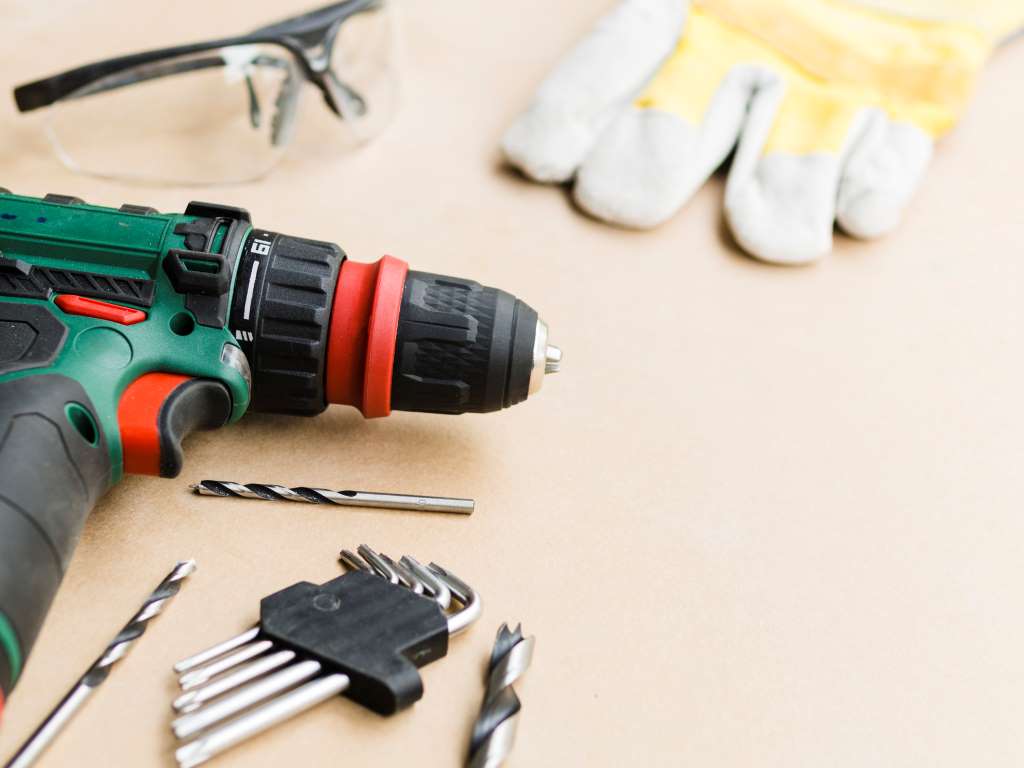
Imagine you’re knee-deep in a home renovation, wrestling with a stubborn piece of trim in a cramped corner. Your bulky circular saw won’t fit, and hand tools are too slow. Enter cordless oscillating multi-tools, the unsung heroes of tricky renovation spots. These versatile, battery-powered gadgets cut, sand, and scrape with precision, making tight spaces and complex tasks a breeze. Whether you’re a DIY enthusiast or a seasoned pro, these tools save time and effort. This blog post tells the story of how cordless oscillating multi-tools transformed my renovation projects and why they’re a must-have for tackling those hard-to-reach spots. Let’s dive into their magic!
What Are Cordless Oscillating Multi-Tools?
Cordless oscillating multi-tools are handheld power tools that vibrate rapidly in a narrow arc, typically 3-4 degrees, at speeds up to 20,000 oscillations per minute. Unlike traditional saws, they don’t spin or plunge violently. Instead, their side-to-side motion allows precise cuts in tight spaces. According to a 2024 review by TRADESAFE, these tools excel at cutting, sanding, scraping, and grinding various materials like wood, metal, and drywall. Their battery-powered design offers unmatched portability, making them ideal for renovation projects without easy access to outlets.
These tools shine in tricky renovation spots, such as under cabinets or around door jambs. My first encounter was during a bathroom remodel, where I needed to trim tile in a corner. The cordless oscillating multi-tool sliced through with ease, leaving a clean edge. Its compact size and interchangeable attachments make it a game-changer for DIYers and professionals alike.
Why Choose Cordless Over Corded?
Cordless oscillating multi-tools offer freedom from cords, which is a lifesaver in tricky renovation spots. Without a power cord, you can maneuver easily in tight corners or outdoor spaces. A 2025 review by Popular Mechanics notes that modern lithium-ion batteries provide power comparable to corded models, with 18-20V models handling most tasks efficiently. However, battery life can be a limitation for extended use, often lasting 20-30 minutes per charge.
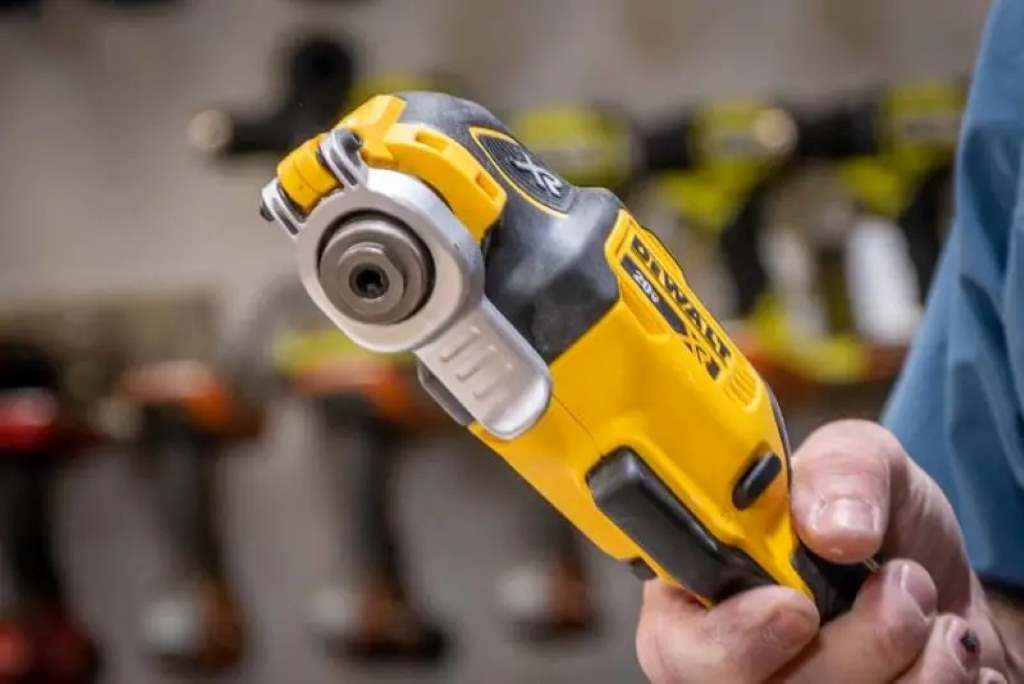
In my kitchen renovation, I used a DeWalt 20V MAX XR to cut drywall for new outlets. The cordless design let me work without tripping over wires, saving time and frustration. While corded models offer unlimited runtime, their cords can tangle in cramped spaces. For most DIYers, the portability of cordless tools outweighs the need for constant power, especially for quick, precise tasks.
Top Features to Look for in a Cordless Oscillating Multi-Tool
When choosing a cordless oscillating multi-tool, key features enhance performance in tricky renovation spots. Look for these:
- Variable Speed Control: Adjust speeds (5,000-20,000 OPM) for different materials.
- Brushless Motor: Increases efficiency and battery life, per a Bosch 2024 product guide.
- Quick-Change System: Allows fast blade swaps without tools, saving time.
- Ergonomic Design: Reduces fatigue during prolonged use in tight spaces.
I learned this lesson during a flooring project. My Milwaukee M18 FUEL, with its variable speed dial, let me slow down for delicate sanding and speed up for cutting laminate. The quick-change system was a lifesaver when switching blades in a cramped closet. Additionally, tools with LED lights improve visibility in dark corners, ensuring precision. Always check battery compatibility with existing tools to save costs.
Best Uses for Cordless Oscillating Multi-Tools in Renovations
Cordless oscillating multi-tools excel in tasks where precision and access are critical. They’re perfect for:
- Plunge Cutting: Create openings in drywall or wood without starting at an edge.
- Trimming: Cut baseboards or door jambs flush for new flooring.
- Sanding: Smooth surfaces in tight corners with triangular sanding pads.
- Scraping: Remove old caulk, paint, or adhesive without damaging surfaces.
During my garage renovation, I used a Makita 18V LXT to trim rotted fascia. Its precision let me splice new pieces with minimal gaps, as noted in a 2024 Honest Carpenter article. The tool’s ability to handle multiple materials saved me from juggling several tools. For example, I switched from cutting wood to scraping adhesive in seconds, streamlining the process.
Top Cordless Oscillating Multi-Tools for 2025
Several models stand out for tackling tricky renovation spots. Here are three top picks based on performance and user reviews:
- DeWalt 20V MAX XR (DCS356C1): Offers three-speed settings and a brushless motor for efficiency. Ideal for professionals, per a 2025 Spruce Tools review.
- Milwaukee M18 FUEL (2836-20): Features a vibration reduction system and universal accessory compatibility.
- Makita XMT03Z 18V LXT: Known for low noise and a 3.2-degree oscillation angle for aggressive cutting.
I’ve used the DeWalt for multiple projects, and its battery swaps seamlessly with my other 20V tools. The Milwaukee’s ergonomic grip was a relief during long sessions. These models, praised in industry reviews, balance power and portability, making them perfect for tight spaces.
Tips for Using Cordless Oscillating Multi-Tools Effectively
To maximize your cordless oscillating multi-tool’s potential, follow these tips:
- Choose the Right Blade: Use bimetal blades for metal and fine-tooth for wood, as advised by Family Handyman (2022).
- Avoid Overheating: Let the blade cool periodically to extend its life.
- Mark Precise Lines: Use a speed square for clean cuts in tricky spots.
- Maintain Battery Life: Charge batteries fully and carry spares for longer jobs.
In my experience, rushing a cut led to a dull blade during a window frame repair. Slow, steady pressure worked better. Additionally, keeping the tool perpendicular prevents binding, especially in tight corners. Practice on scrap material to master control, ensuring professional results every time.
Safety Considerations for Tricky Renovation Spots
Safety is crucial when using cordless oscillating multi-tools in confined spaces. Always wear safety glasses and gloves to protect against debris. Ensure the battery is secure to avoid power interruptions. A 2023 Pro Tool Reviews article emphasizes checking blade conditions to prevent accidents from dull or damaged attachments.
During a basement remodel, I nearly skipped gloves while sanding in a tight corner. Dust and vibrations reminded me to prioritize safety. Additionally, work in well-ventilated areas to avoid inhaling particles. Turn off the tool when changing blades, and store it safely to prevent accidental activation. These precautions ensure you tackle tricky spots without risks.
My Personal Renovation Story: A Game-Changer in Action
Last summer, I tackled a bathroom renovation with a cordless oscillating multi-tool. The challenge was removing old grout between tiles in a narrow shower corner. My Dremel Multi-Max MM20V-02 made quick work of it, unlike my failed attempts with a manual grout saw. The tool’s precision and cordless design let me navigate the tight space effortlessly. Later, I used it to cut drywall for a new light fixture, finishing in minutes what would’ve taken hours with other tools. This experience sold me on the tool’s versatility, convincing me it’s a must-have for any DIYer facing tricky renovation spots.
The Future of Cordless Oscillating Multi-Tools
The future of cordless oscillating multi-tools looks bright, with innovations enhancing their utility. Manufacturers are focusing on longer-lasting batteries and smarter designs. A 2025 Wood Magazine review predicts tools with AI-driven speed adjustments for optimal performance. Brushless motors and universal accessory systems, like Fein’s StarLock, are becoming standard, improving efficiency and compatibility.
I’m excited to see how these advancements will simplify my future projects. For now, tools like the Milwaukee M18 FUEL offer a glimpse of what’s possible, with reduced vibration and longer runtimes. As technology evolves, cordless oscillating multi-tools will only get better at tackling tricky renovation spots, making them indispensable for DIYers and pros alike.
Conclusion
Cordless oscillating multi-tools are a DIYer’s dream, transforming tricky renovation spots into manageable tasks. Their portability, precision, and versatility make them essential for cutting, sanding, and scraping in tight spaces. From my bathroom remodel to professional reviews, these tools prove their worth time and again. Whether you’re trimming baseboards or removing grout, they deliver results with ease. Invest in a quality model like the DeWalt or Milwaukee, and watch your renovations become smoother and faster. Ready to tackle your next project? Follow our repairing section. Share your experiences or questions in the comments below, or spread the word by sharing this article!
FAQs
What makes cordless oscillating multi-tools ideal for tight spaces?
They offer portability and precision, with a compact design and rapid oscillations for cutting and sanding in cramped areas.
Can cordless oscillating multi-tools cut metal?
Yes, with bimetal or carbide-tipped blades, they can cut light-gauge metal like nails or aluminum, but not heavy steel.
How long do batteries last on cordless oscillating multi-tools?
Most last 20-30 minutes per charge, depending on the task and battery voltage, with 18-20V models being common.
Are cordless models as powerful as corded ones?
Modern lithium-ion batteries make cordless tools nearly as powerful, though corded models offer unlimited runtime for heavy tasks.
What safety gear should I use with these tools?
Always wear safety glasses, gloves, and a dust mask to protect against debris and ensure safe operation.