
Good property upkeep advice saves owners money and stress. It helps you catch small problems before they turn into expensive repairs. It also protects your home’s value and keeps your family safe.
Many owners skip maintenance because they don’t know what to check or when. That’s where solid, practical advice comes in. It gives you a clear plan instead of guesswork.
This article breaks down why upkeep guidance matters, what happens when owners ignore it, and how to build simple habits that protect your investment for years.
It Prevents Small Issues From Becoming Costly Repairs
Small problems rarely stay small. A tiny roof leak can spread into rotted wood and mold within months. Regular upkeep advice teaches owners what warning signs to watch for.
According to industry experts, routine inspections catch most issues while they’re still cheap to fix. A $20 sealant job today can prevent a $5,000 repair next year.
Common Warning Signs Owners Often Miss
- Water stains on ceilings or walls
- Musty smells in basements or crawl spaces
- Cracks near windows or doors
- Slow drains throughout the house
- Higher-than-usual utility bills
Each of these signs points to a bigger problem underneath. Catching them early keeps repair costs low and stops damage from spreading.
Elevating Long-Term Property Value
A meticulously maintained home safeguards its market equity and instills immediate buyer confidence long before an offer is made. While subtle details like crisp exterior finishes, flawless mechanical systems, and pristine curb appeal signal high-value care, ignoring routine upkeep creates compounding structural flaws that severely erode appraised value during inspections. By acting on strategic maintenance advice and keeping detailed repair records, homeowners protect their structural integrity, justify premium listing prices, and create an irresistible foundation for aesthetic upgrades leading naturally to the question: are creative interior ideas easy to start today?
It Keeps Your Family and Guests Safe
Safety is one of the most overlooked reasons for property upkeep. Loose railings, faulty wiring, and blocked vents create real hazards. Following expert advice helps owners spot these risks before someone gets hurt.
Safety Checks Every Owner Should Prioritize
- Test smoke and carbon monoxide detectors monthly
- Inspect handrails and steps for looseness
- Check outlets and cords for damage
- Clear dryer vents to prevent fires
- Service HVAC systems each season
These checks take little time but offer major peace of mind. A safe home protects everyone who lives in or visits it.
It Helps Owners Budget for Repairs More Accurately
Unexpected repairs strain any budget. Property upkeep advice helps owners plan ahead instead of scrambling during emergencies. When you know what to expect, you can save gradually instead of facing a sudden bill.
Many financial advisors suggest setting aside 1% of your home’s value each year for maintenance. This rough guideline gives owners a starting point for planning.
Tracking recurring costs, like roof age or appliance lifespan, also helps you predict when big-ticket replacements are coming. This turns surprise expenses into planned ones.
It Reduces Energy Waste and Lowers Utility Bills
Poor maintenance often leads to wasted energy. Leaky windows, dirty filters, and old insulation force your systems to work harder. Following simple upkeep advice can lower your monthly bills noticeably.
Easy Energy-Saving Maintenance Habits
- Replace HVAC filters every one to three months
- Seal gaps around windows and doors
- Clean refrigerator coils twice a year
- Insulate attics and crawl spaces properly
- Check for drafts near outlets and switches
Small fixes like these add up over time. Owners often notice lower bills within just a few months of consistent upkeep.
It Extends the Lifespan of Major Home Systems
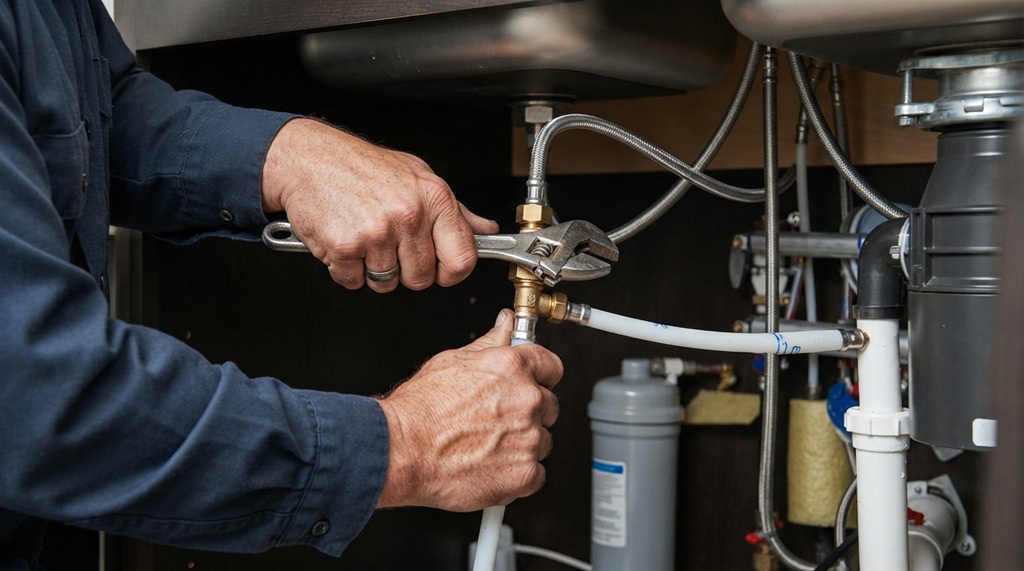
Your HVAC system, roof, and plumbing all have expected lifespans. Regular care can push those numbers higher, saving thousands in early replacement costs. Skipping maintenance often shortens these lifespans dramatically.
For example, an HVAC system serviced yearly can last well beyond a neglected one. The same applies to water heaters, roofs, and major appliances. A little attention now avoids a big expense later.
This is one of the clearest reasons upkeep advice matters. It’s not just about looks. It directly affects how long your biggest investments last.
It Builds Confidence for First-Time and New Owners
New owners often feel overwhelmed by everything a home requires. Clear upkeep advice breaks the process into manageable steps. This helps first-time buyers feel in control instead of anxious.
Having a simple maintenance checklist removes the guesswork. It tells owners exactly what to check, when to check it, and why it matters. Over time, this builds real confidence and a stronger connection to the home.
This is often the angle other articles skip: upkeep advice isn’t just about protecting the house. It’s about helping new owners feel capable and prepared, not just reactive.
Frequently Asked Questions
How often should homeowners perform maintenance checks?
Most experts recommend a seasonal schedule, with quick checks every month. This keeps small issues from piling up. A full inspection each spring and fall catches most seasonal wear and tear.
What are the most commonly neglected maintenance tasks?
Gutter cleaning, HVAC filter changes, and dryer vent cleaning top the list. Owners often forget these because they’re not visible day to day. Neglecting them can lead to water damage or fire hazards.
Is professional maintenance worth the cost?
For complex systems like HVAC, electrical, and roofing, yes. Professionals catch issues that untrained eyes might miss. For simple tasks like filter changes or caulking, most owners can handle it themselves.
How does upkeep advice help with resale value?
It helps owners fix issues before they become deal-breakers during inspections. A documented maintenance history also reassures buyers. This often leads to smoother negotiations and stronger offers.
What’s the easiest way to start following a maintenance routine?
Start with a simple monthly checklist covering safety, HVAC, and plumbing basics. Small, consistent habits build momentum quickly. Once it becomes routine, seasonal and annual tasks feel far less overwhelming.
Final Thoughts
Property upkeep advice matters because it protects your home, your budget, and your family’s safety. It turns a potentially stressful responsibility into a manageable routine. Owners who follow good guidance avoid costly surprises and enjoy a safer, more valuable home over time.
Starting small is enough. Even a basic monthly checklist can make a real difference. Over time, these simple habits protect one of the biggest investments you’ll ever make.