
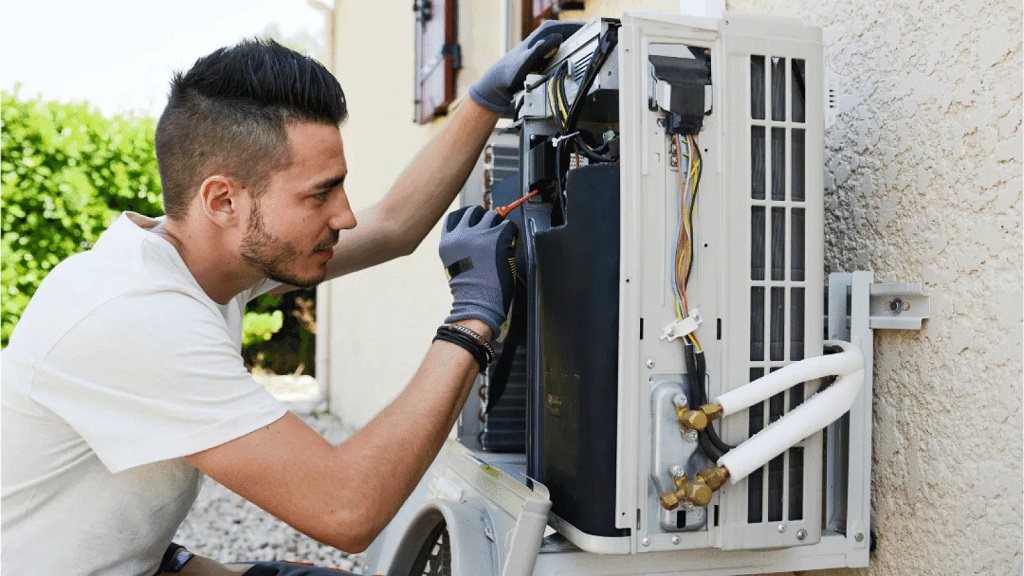
Your air conditioner quietly keeps your home comfortable until it doesn’t. One day you notice the rooms feel warmer than usual, or the electric bill arrives higher than expected. These small clues often signal bigger problems brewing inside the system. The U.S. Department of Energy reports that regular maintenance can improve cooling efficiency by 5–15%. Meanwhile, the Environmental Protection Agency notes that neglected units lose about 5% of their efficiency every single year. Catching issues early through a professional tune up saves money, prevents breakdowns, and keeps your family cool all summer.
Why Regular AC Tune Ups Save You Money and Stress
Homeowners often skip maintenance because the system still “works.” However, small problems grow fast in extreme heat. A professional AC tune up catches worn parts, cleans critical components, and restores peak performance. As a result, you avoid emergency repairs when technicians are busiest and rates are highest.
Let’s dive into the clearest warning signs that scream, “Call a pro—now!”
Sign #1 – Weak or Inconsistent Airflow
You step into the living room and feel almost no cool air from the vent. Some rooms stay comfortable while others swelter. Weak airflow ranks as one of the most common complaints technicians hear.
Common Causes of Poor Airflow
- Clogged air filters loaded with dust and pet hair
- Dirty evaporator coils coated in grime
- Blocked condenser coils outdoors
- Failing blower motor or broken fan blade
- Closed or blocked supply/return vents
What a Professional Does
Technicians measure airflow with specialized tools, replace dirty filters, clean both sets of coils, and test the blower assembly. Homeowners notice stronger, more even cooling the same day.
Sign #2 – Unusual Noises Coming from the Unit
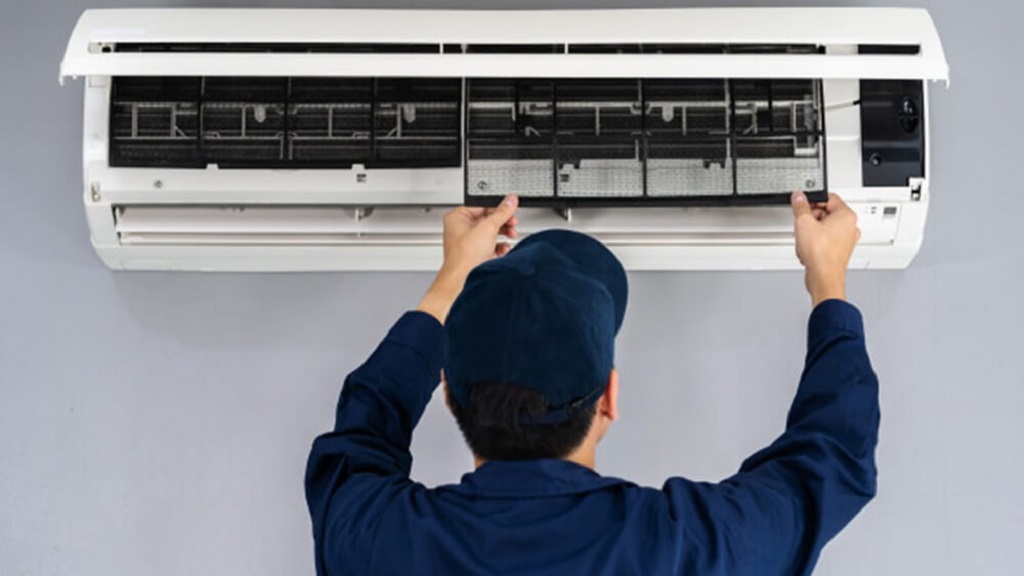
Your AC used to hum quietly. Now it screels, bangs, rattles, or grinds. Strange sounds never improve on their own—they get worse.
Noise Guide and What Each Means
- Grinding or screeching → Worn motor bearings or loose belt
- Banging or clanking → Broken compressor part or loose rod
- Hissing or bubbling → Possible refrigerant leak
- Buzzing → Electrical issue or loose component
- Rattling → Debris in the outdoor unit or loose panels
Why DIY Fixes Are Dangerous
Only licensed technicians should open sealed systems or handle electrical parts. A proper tune up lubricates moving parts, tightens everything, and replaces damaged components before total failure occurs.
Sign #3 – Sudden Spike in Energy Bills
Your habits haven’t changed, yet the electric bill jumps 20–40%. An inefficient system works overtime to deliver the same cooling.
Hidden Efficiency Robbers
- Dirty condenser and evaporator coils
- Low refrigerant levels from small leaks
- Worn capacitors and contactors
- Clogged drain lines causing the system to freeze
Real Results After a Tune Up
Most homeowners see bills drop back to normal (or lower) the very next month. Clean coils and proper refrigerant charge make the biggest difference.
Sign #4 – Short Cycling (Constant On-and-Off)
The unit runs for just 5–10 minutes, shuts off, then restarts again. Short cycling drives up wear and energy use dramatically.
Top Causes of Short Cycling
- Low refrigerant charge
- Oversized air conditioner
- Dirty coils or clogged filter
- Faulty thermostat or sensor
- Restricted airflow anywhere in the system
The Fix
Technicians perform leak tests, recharge refrigerant when safe, clean coils, and calibrate the thermostat. Long, steady cycles return almost immediately.
Sign #5 – Warm Air or Not Cooling Enough
You set the thermostat to 72°F, but the house never drops below 78°F. Sometimes the air blowing out feels barely cool.
Serious Issues That Cause Warm Air
- Frozen evaporator coil blocking airflow
- Major refrigerant leak
- Failing compressor (the heart of the system)
- Extremely dirty outdoor unit unable to release heat
Performance Testing During Tune Up
Pros measure temperature drop across the coil (should be 16–22°F), check superheat and subcooling values, and thaw/clean coils. Most systems cool like new again after one visit.
Bonus Red Flags You Should Never Ignore
Some symptoms appear subtle yet point to urgent problems:
- Water pooling around the indoor unit
- Ice on the suction line or indoor coil
- Musty or burning odors when the system starts
- Higher indoor humidity than normal
- Thermostat that won’t hold the set temperature
Any of these justify same-week professional service.
What Actually Happens During a Professional AC Tune Up?
A thorough tune up includes 20–30 specific checks and tasks:
- Clean or replace air filter
- Wash condenser coils with professional cleaner
- Clear condensate drain line
- Check refrigerant pressures and look for leaks
- Tighten all electrical connections
- Test capacitors and contactors
- Lubricate motors and moving parts
- Inspect blower wheel and evaporator coil
- Measure temperature split
- Verify thermostat operation
The entire process takes 60–90 minutes and delivers immediate improvements.
Quick DIY Checks Before You Call
You can handle these safe tasks yourself:
- Change the filter if it looks dirty
- Hose off the outdoor unit gently (from the outside in)
- Remove leaves and debris two feet around the condenser
- Ensure all vents are open and uncovered
- Listen carefully and note when noises occur
If problems continue, schedule a pro right away.
Related Topics: Identifying a Harmful Centipede Swarm in Potting Mix
When Is the Best Time to Schedule?
Spring remains ideal for preventive maintenance. However, never ignore the top 5 signs just because “it’s not tune-up season.” Acting fast prevents minor issues from becoming five-figure emergencies.
Related Topics: Atlanta’s Drain Drain-O: Clever Solutions for Stubborn Clogs
Conclusion
Weak airflow, strange noises, high bills, short cycling, and warm air all send the same urgent message: your AC needs professional attention now. A single tune up restores efficiency, lowers energy costs, eliminates annoying symptoms, and adds years to your system’s life.
Don’t gamble with your comfort during the next heat wave. Contact a licensed HVAC professional today and schedule your AC tune up before small problems become big headaches.
How often should I schedule professional AC maintenance?
The Department of Energy and most manufacturers recommend once per year in spring. Homes with pets, allergies, or heavy dust may need twice-yearly service.
Can I do an AC tune up myself and save money?
You can change filters and clean around the unit, but refrigerant work, electrical testing, and coil cleaning require EPA certification and specialized tools—leave it to licensed pros.
How soon will I notice a difference after a tune up?
Most homeowners feel stronger cooling and quieter operation the same day. Lower electric bills appear within the next billing cycle.
Will a tune up fix my high energy bills?
Yes. Clean coils, proper refrigerant levels, and tight electrical connections routinely cut energy use by 10–20%.
What happens if I keep ignoring these warning signs?
Small issues snowball into compressor failure or complete system replacement—often costing thousands more than routine maintenance.
References
- U.S. Department of Energy – Maintaining Your Air Conditioner: https://www.energy.gov/energysaver/maintaining-your-air-conditioner
- ENERGY STAR – Central AC Maintenance Tips: https://www.energystar.gov/products/central_air_conditioners/maintenance
- ASHRAE Preventive Maintenance Guidelines: https://www.ashrae.org/technical-resources/bookstore/preventive-maintenance-guidebook