A well-designed laundry room boosts efficiency and transforms a mundane chore into a seamless task. Creating a functional and organized laundry room requires thoughtful planning, smart storage, and practical design choices. This guide dives into actionable strategies, expert insights, and data-driven tips to craft a laundry space that’s both practical and aesthetically pleasing. With 65% of homeowners prioritizing home organization (Statista, 2023), a streamlined laundry room ranks high on the list. Let’s explore how to make your laundry room a powerhouse of productivity.
Why a Functional Laundry Room Matters
A disorganized laundry room wastes time and energy. Studies show that Americans spend about 6 hours weekly on laundry (Bureau of Labor Statistics, 2022). An efficient setup cuts this time significantly. Cluttered spaces increase stress, with 84% of people feeling overwhelmed by mess (HuffPost, 2021). A functional laundry room saves time, reduces frustration, and enhances your home’s value. Conversely, some argue that laundry rooms don’t need elaborate designs, as basic functionality suffices. However, a well-organized space elevates the experience, making it worth the investment.
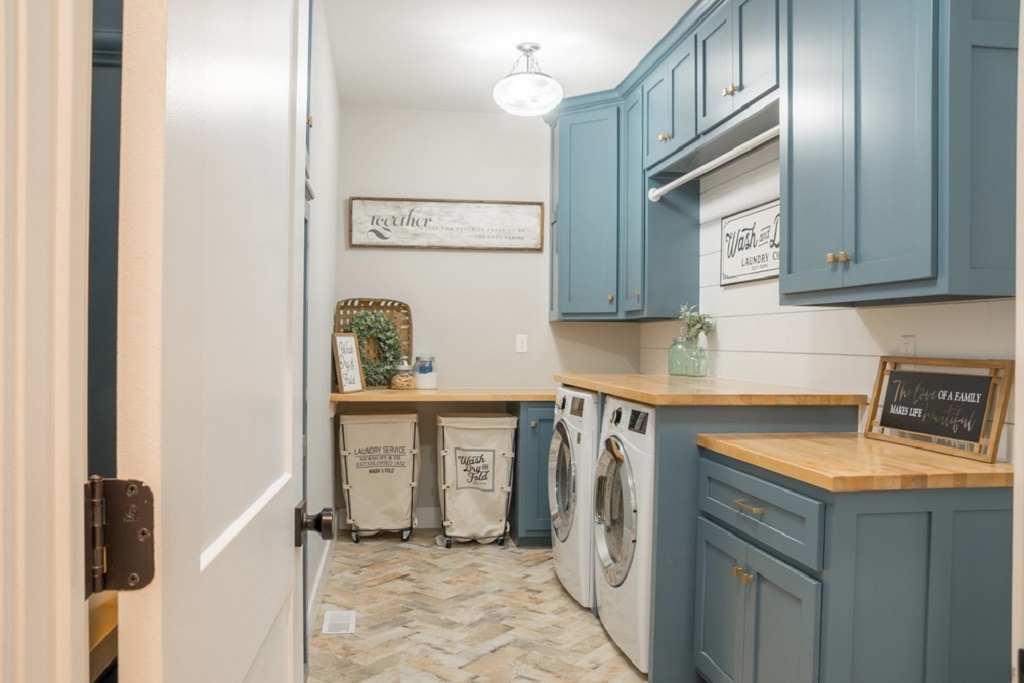
Assessing Your Laundry Room Needs
Every household’s laundry demands differ. Start by evaluating your space and habits. A family of five generates more laundry than a single person, requiring robust storage and equipment. Consider these factors:
-
Space constraints: Measure your room’s dimensions. Small spaces need vertical storage.
-
Laundry volume: Larger families need bigger machines or multiple units.
-
Additional functions: Will the room double as a mudroom or pet grooming area?
According to a 2022 Houzz survey, 45% of homeowners renovate laundry rooms for better functionality. Tailor your design to your lifestyle. Critics might say over-planning is unnecessary, but a clear assessment prevents costly redesigns later.
Measuring Your Space
Accurate measurements ensure proper appliance and storage fit. Use a tape measure for length, width, and height. Account for door swings and ventilation needs. For small rooms, stackable washers and dryers save 20-30% of floor space (Consumer Reports, 2023). Neglecting measurements risks cramped layouts, which frustrate users.
Understanding Laundry Habits
Track your laundry frequency and types. Delicates need separate hampers; heavy items require sturdy surfaces. A 2021 Whirlpool study found 60% of households prefer sorting laundry by color and fabric. Customize your setup to match these habits for smoother workflows.
Choosing the Right Appliances
Appliances anchor a functional laundry room. Select machines based on capacity, energy efficiency, and features. Front-load washers use 20% less water than top-loaders (Energy Star, 2024). Stackable units suit small spaces, while large-capacity models handle bulky items like comforters. Some argue top-loaders are more durable, but modern front-loaders offer superior efficiency and cleaning power.
Washer and Dryer Features
Look for these key features:
-
Energy efficiency: Energy Star-rated models save $100 annually on utilities.
-
Smart technology: Wi-Fi-enabled machines allow remote monitoring.
-
Cycle options: Delicate, steam, and quick-wash settings add versatility.
A 2023 CNET review ranks LG and Samsung as top brands for reliability. Consider budget, but prioritize long-term savings.
Placement Considerations
Place appliances for easy access. Ensure 36 inches of clearance for loading and unloading. Wall-mounted dryers free up floor space but require sturdy mounting. Poor placement disrupts workflow, so plan strategically.
Maximizing Storage Solutions
Storage is the backbone of an organized laundry room. Cluttered spaces derail efficiency, with 70% of homeowners citing storage as their top concern (Houzz, 2022). Use these solutions:
-
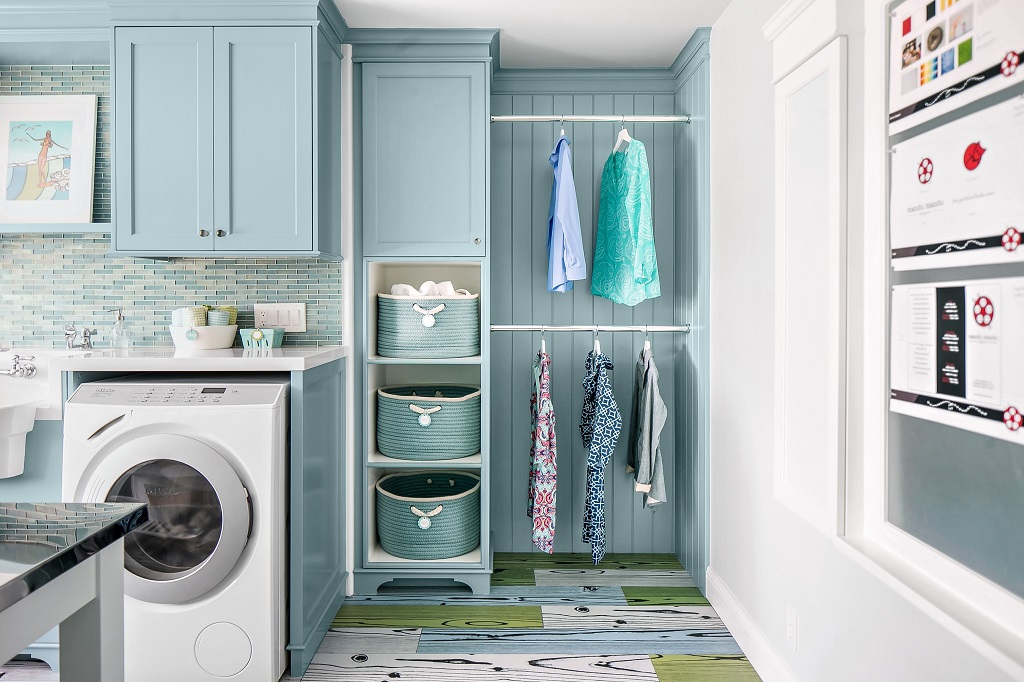
Shelving: Open shelves hold detergents and baskets. Install above machines to save space.
-
Cabinets: Conceal supplies for a tidy look. Opt for adjustable shelves.
-
Pull-out drawers: Store small items like dryer sheets. They reduce clutter by 30% (Good Housekeeping, 2023).
-
Hanging rods: Hang clothes straight from the dryer to prevent wrinkles.
Some prefer minimal storage to avoid overcomplicating the space. However, tailored storage prevents chaos and streamlines tasks.
Vertical Storage for Small Spaces
Small laundry rooms benefit from vertical solutions. Wall-mounted racks or tall cabinets maximize space without crowding floors. A 2022 IKEA study found vertical storage increases usable space by 25%. Stack bins or use pegboards for tools like irons.
Organizing Supplies
Group supplies by function. Use clear containers for detergents and label them. A 2021 Real Simple article suggests color-coded bins for sorting laundry. This cuts sorting time by 15%. Keep frequently used items within arm’s reach.
Designing an Efficient Workflow
A logical workflow minimizes effort. Arrange appliances, storage, and folding areas in a triangular layout. This setup reduces movement by 20% (Better Homes & Gardens, 2023). Place hampers near the washer, a folding counter nearby, and hanging rods within reach. Some argue linear layouts work better in narrow spaces, but triangles optimize larger rooms.
Folding and Sorting Stations
A dedicated folding surface is essential. A 2022 Apartment Therapy survey found 80% of users prefer countertops over tables for folding. Install a countertop above front-load machines or use a foldable table in small spaces. Add a sorting area with multiple hampers for efficiency.
Lighting and Ventilation
Good lighting prevents errors like mixing colors. LED lights use 75% less energy than incandescent bulbs (Energy.gov, 2024). Install task lighting above folding areas. Proper ventilation reduces mold risk, as laundry rooms generate 10-15% of household humidity (EPA, 2023). Use exhaust fans or dehumidifiers.
Adding Aesthetic Appeal
A beautiful laundry room boosts motivation. Choose durable, water-resistant materials like ceramic tiles or vinyl flooring. Neutral colors create a calming vibe, while bold accents add personality. A 2023 HGTV poll found 60% of homeowners prefer white or gray laundry rooms. Critics argue aesthetics are secondary to function, but a pleasant space encourages consistent use.
Color Schemes and Materials
Stick to moisture-resistant paints with satin finishes. Quartz countertops withstand stains better than laminate (Consumer Reports, 2023). Add a backsplash for easy cleaning. Patterns like subway tiles remain timeless, per a 2022 Elle Decor trend report.
Personal Touches
Incorporate plants or artwork for warmth. A small rug adds comfort underfoot. These elements make the space inviting without sacrificing utility.
Budget-Friendly Tips
Creating a functional and organized laundry room doesn’t require a fortune. Repurpose old furniture for storage; a $50 IKEA shelf can hold baskets. Paint existing cabinets instead of replacing them. A 2023 DIY Network guide suggests secondhand appliances can save 40% on costs. Some argue budget solutions lack durability, but strategic choices ensure longevity.
DIY Storage Ideas
Build floating shelves with $20 worth of lumber. Use mason jars for small items like clothespins. These hacks cut costs while maintaining organization.
Affordable Upgrades
Swap outdated lighting for LED bulbs costing $5 each. Add peel-and-stick tiles for a $100 backsplash. These upgrades enhance function and style on a budget.
Maintaining Your Laundry Room
Regular upkeep keeps your laundry room functional. Clean lint traps after every load to prevent fires; lint causes 2,900 dryer fires annually (NFPA, 2023). Wipe surfaces weekly to avoid detergent buildup. Rotate supplies to ensure freshness. Neglecting maintenance risks inefficiencies and hazards.
Cleaning Schedule
Follow this routine:
-
Daily: Clear lint and sweep floors.
-
Weekly: Wipe machines and counters.
-
Monthly: Deep-clean floors and check ventilation.
A 2022 Good Housekeeping article emphasizes consistent cleaning extends appliance life by 2-3 years.
Organizing Tips for Longevity
Reassess storage every six months. Donate unused supplies to avoid clutter. Label bins to maintain order. These habits keep your laundry room efficient.
FAQs
1. What’s the best layout for a small laundry room?
Stack appliances and use vertical storage like shelves or pegboards to maximize space.
2. How do I prevent mold in my laundry room?
Install an exhaust fan and use a dehumidifier to control humidity levels.
3. What appliances are best for large families?
Choose high-capacity, Energy Star-rated front-loaders for efficiency and durability.
4. How can I make my laundry room look stylish?
Use neutral colors, add a backsplash, and incorporate plants or artwork.
5. Are DIY storage solutions durable?
Yes, if built with quality materials like sturdy lumber or metal brackets.
Read More Also: Kintsugi Repair for Non-Ceramic Items
Conclusion
Crafting a functional and organized laundry room blends smart planning, efficient appliances, and clever storage. By assessing your needs, optimizing workflow, and adding personal touches, you create a space that’s both practical and inviting. With 70% of homeowners valuing organization (Statista, 2023), a well-designed laundry room elevates daily life. Start small, prioritize function, and watch your laundry routine transform into a breeze.