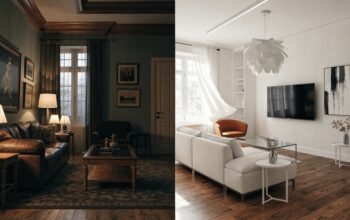
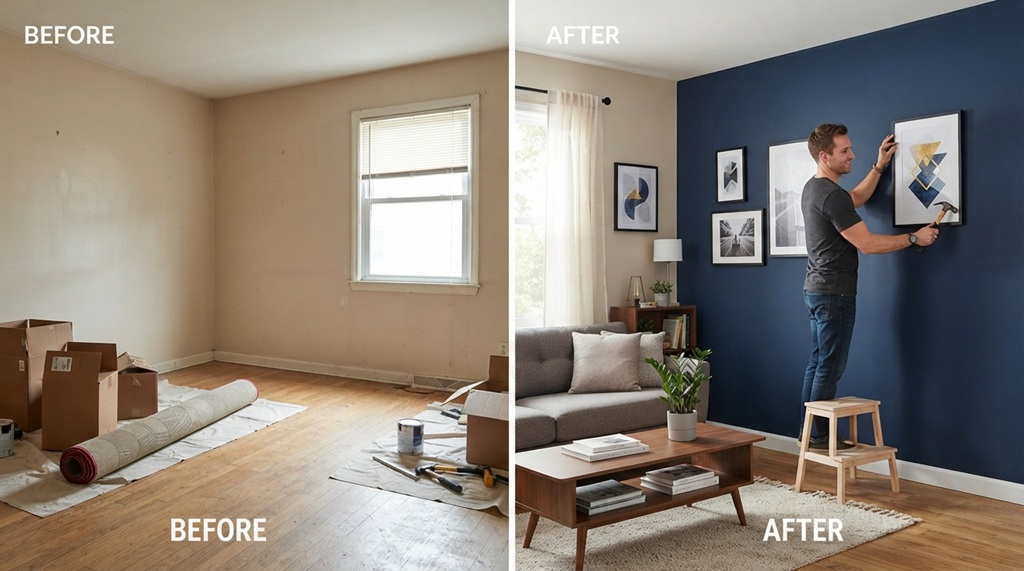
Yes, creative interior ideas are easier to start today than ever before. You don’t need a big budget or a design degree. Small changes, like swapping cushions or rearranging furniture, can transform a room in an afternoon.
Many people delay home updates because they think a full renovation is required. That’s not true. Modern tools, affordable materials, and countless online inspiration sources make it simple to begin right now, even with limited time or money.
This guide breaks down exactly how to start, what tools help most, and which mistakes to avoid. You’ll also find quick answers to common questions homeowners ask before diving in.
Why Starting Small Makes Creative Interior Projects Easier
Small projects remove the biggest barrier: overwhelm. When you focus on one corner, one wall, or one piece of furniture, the task feels manageable instead of intimidating.
Interior designers often recommend the “one room rule” for beginners. Pick a single space, like an entryway or reading nook. Complete that space fully before moving to the next. This method builds confidence and prevents half-finished projects scattered across your home.
Small wins also save money. You test ideas on a small scale first. If a color or layout doesn’t work, you’ve lost little time or cash. You can adjust and try again without regret.
Quick Wins You Can Finish in One Afternoon
- Rearrange existing furniture for better flow
- Add a gallery wall using photos you already own
- Swap out throw pillows and blankets for a seasonal refresh
- Declutter one shelf or surface completely
- Introduce a single plant to add life to a room
Each of these tasks takes under three hours. None require special skills or expensive tools.
Momentum matters more than perfection here. Once you finish one small task, you’ll likely want to tackle another. This natural momentum is why the “one afternoon” approach works so well for beginners who feel stuck before they even begin.
What Tools and Resources Make Starting Easier Today
Free digital tools now let anyone visualize a room before spending a dollar. Apps and websites remove the guesswork that used to stop people from starting.
Room-planning apps, like Planner 5D or Roomstyler, let you drag furniture into a virtual layout. You see the result before you buy anything. This reduces costly mistakes and builds confidence in your choices.
Pinterest and Instagram also help. Save images that match your taste, then look for patterns. Do you keep saving warm wood tones? Bright, bold colors? These patterns reveal your personal style faster than flipping through magazines.
Budget-Friendly Resources Worth Trying
- Free room-design apps – Visualize changes before committing
- Secondhand marketplaces – Facebook Marketplace and thrift stores offer unique pieces for less
- Paint sample cards – Test colors on your wall before buying a full can
- YouTube tutorials – Step-by-step guides for DIY projects like reupholstering or wall art
- Local library design books – Free access to professional design inspiration
These resources cost little or nothing. They give beginners the confidence to experiment without financial risk.
Community groups add another layer of support. Many neighborhoods have local “buy nothing” or swap groups online. People give away furniture, decor, and materials they no longer want. This is a great way to try new pieces without spending money, and it keeps usable items out of landfills.
How Much Does It Cost to Start a Creative Interior Project
You can start with as little as $20, or you can spend thousands. The cost depends entirely on your goals and the scope of the project.
A budget refresh might include new throw pillows, a bundle of candles, and a plant. This typically costs under $50 and delivers a noticeable change. Mid-range projects, like painting an accent wall or adding new lighting fixtures, usually fall between $100 and $300.
Larger projects, such as reupholstering furniture or installing new flooring, can cost several hundred to a few thousand dollars. According to industry experts, most homeowners see the best return on investment from smaller, high-impact changes rather than full-room overhauls.
Start small first. You’ll learn what you enjoy before committing bigger money to larger changes.
It also helps to set a spending cap before you shop. Decide on a number, then stick to it. This single habit prevents impulse purchases that often end up unused in a closet within a few months.
Common Mistakes Beginners Make and How to Avoid Them
The most critical mistake beginners make when refreshing a space is attempting to overhaul everything simultaneously a recipe for decision fatigue and stalled projects. Successful design requires a deliberate, step-by-step approach: focus on executing one distinct area fully before advancing to the next. Scale is another frequent stumbling block; a massive sofa easily overwhelms a compact room, while an undersized rug appears lost in a sprawling living area, making precise spatial measurements non-negotiable before making any investment. Furthermore, overlooking lighting frequently undermines an otherwise flawless layout, as proper illumination dictates ambiance more than any single decor piece. By addressing these foundational elements sequentially, you can keep your budget in check and understanding which DIY renovation guides save the most money empowers you to prioritize high-impact updates before committing to major expenses.
Three Simple Fixes for Common Mistakes
- Measure twice before purchasing furniture or rugs
- Layer lighting with lamps, overhead fixtures, and candles
- Set a firm budget before browsing stores or websites
These small checks prevent costly returns and wasted effort.
One more mistake worth mentioning: shopping before planning. It’s tempting to buy a beautiful item the moment you see it. But without a clear plan for the room, that item often clashes with everything else. Take a photo of the space first, then shop with that photo in mind.
How Do You Find Your Personal Interior Style
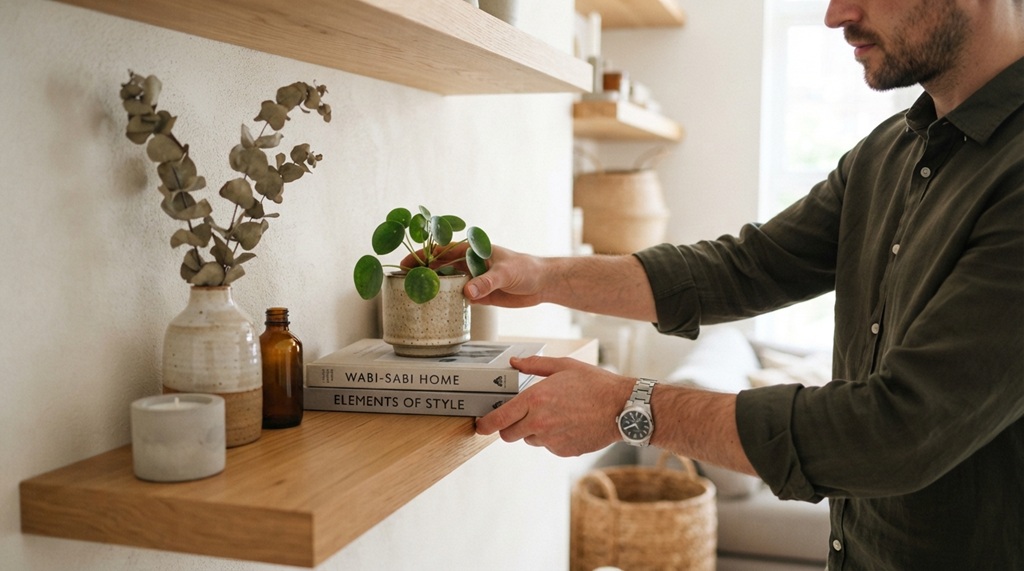
You find your style by paying attention to what already makes you happy. Look around your closet, your favorite coffee shop, or your car. Colors and textures you gravitate toward outside your home usually belong inside it too.
Create a simple mood board using free tools like Canva or Pinterest. Collect ten images that appeal to you. Then look for shared elements: color palette, materials, patterns, or overall mood. This exercise takes fifteen minutes and reveals patterns you might not notice otherwise.
Don’t worry about fitting into one design category, like “farmhouse” or “minimalist.” Most real homes blend styles. Your space should reflect your life, not a magazine spread.
Ask yourself how you want a room to feel, not just how you want it to look. Do you want your bedroom to feel calm and quiet? Do you want your kitchen to feel bright and energetic? Feelings guide better decisions than trends do, and they lead to spaces that still feel right years later.
Can You Combine Different Design Styles in One Room
Yes, mixing styles works well when done with intention. The key is finding a common thread, like color, material, or era, that ties the pieces together.
For example, a modern sofa can pair beautifully with a vintage rug if the colors complement each other. A rustic wood table works with sleek metal chairs when the overall palette stays consistent. Designers call this “eclectic balance,” and it’s one of the most popular approaches in home design today.
Start by choosing one dominant style, then add 20-30% of a contrasting style. This ratio keeps the room feeling intentional rather than chaotic.
Texture also ties mixed styles together. A soft wool throw next to a smooth leather chair creates visual interest without clashing. Focus on repeating two or three textures throughout the room, and the mix will feel curated instead of accidental.
Frequently Asked Questions
Do I need professional help to start a creative interior project?
No, professional help isn’t required for most small to mid-sized projects. Simple changes, like rearranging furniture or updating decor, are easy to do yourself. Consider hiring a professional only for structural changes or complex electrical work.
How long does it take to redesign one room?
A small refresh can take a single afternoon, while a full room redesign usually takes one to three weekends. The timeline depends on the scope of the project and whether you’re waiting on furniture deliveries or contractor availability.
What’s the cheapest way to update a room’s look?
Rearranging existing furniture is the cheapest option, and it costs nothing. Adding new throw pillows, artwork, or a fresh coat of paint on one wall are also low-cost ways to make a noticeable difference.
Is it okay to change my design plan halfway through?
Yes, adjusting your plan is completely normal and often leads to better results. Many designers revise their vision once they see pieces together in the actual space. Flexibility usually produces a more personal, authentic outcome.
How do I know if a color will work before painting the whole wall?
Test the color first with a sample swatch on the actual wall. Look at it during different times of day, since natural and artificial light change how colors appear. This simple step prevents expensive repainting later.
Final Thoughts
Creative interior ideas are genuinely easy to start today, thanks to free tools, affordable resources, and endless inspiration online. You don’t need a big budget or design training to make a real difference in your space.
Start with one small project. Learn from it. Then build your confidence from there. Your home doesn’t need to be perfect right away, it just needs to reflect you, one thoughtful change at a time.