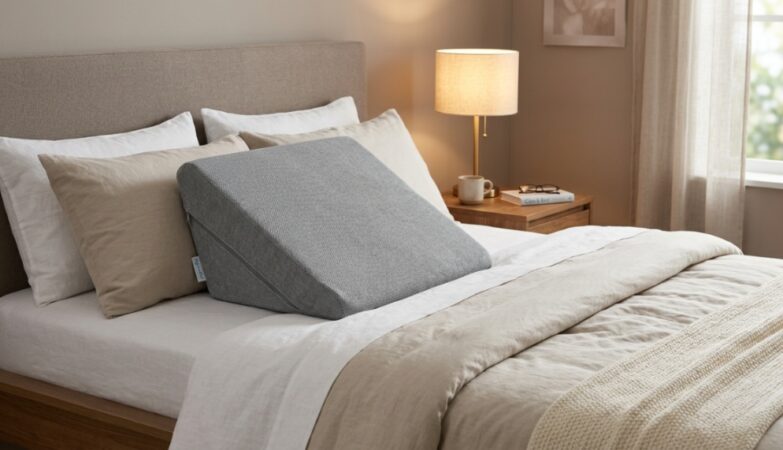
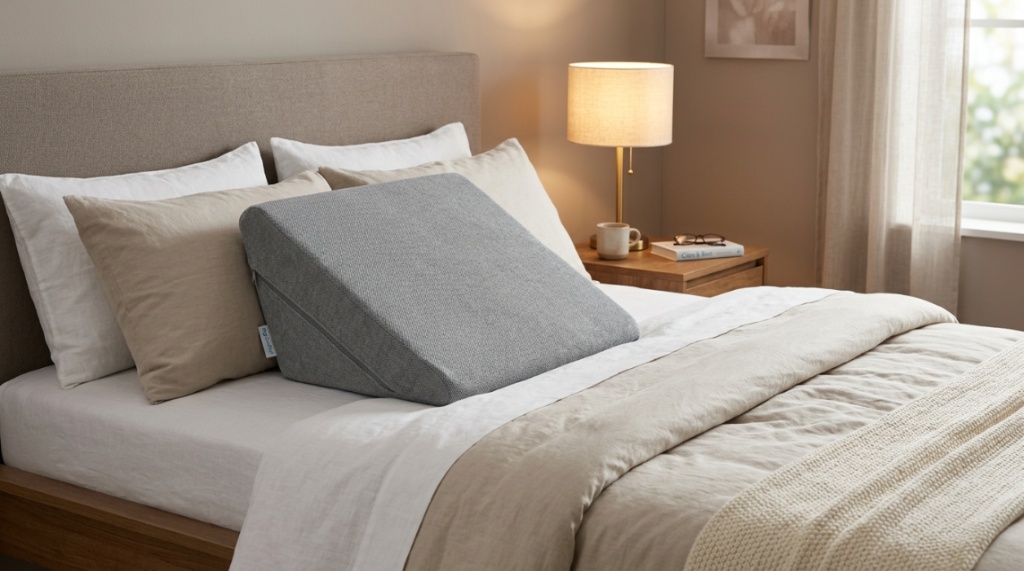
Waking up with a stiff, throbbing neck is a miserable way to start the day. You’ve likely tried extra pillows, sleeping flat, or even skipping a pillow altogether, only to find that your neck pain persists or worsens. The problem isn’t just your sleep position—it’s the lack of proper spinal support. A wedge pillow offers a simple, targeted solution by elevating your upper body and maintaining the natural curve of your cervical spine. However, with so many options on the market, finding an affordable wedge pillows neck pain solution that actually works can feel overwhelming. This guide cuts through the noise, giving you a clear, practical path to choosing a budget-friendly wedge pillow that will genuinely improve your sleep and reduce your pain without breaking the bank.
Why Does a Wedge Pillow Relieve Neck Pain?
Wedge pillows work on a simple principle: elevation. By raising your head and shoulders, a wedge redistributes your body’s weight and removes the undue pressure on your neck muscles that flat sleeping often creates. This gentle incline allows your cervical spine to rest in a neutral, aligned position, mimicking a natural standing posture. Unlike standard pillows that only support the head, a wedge provides continuous support from your upper back to your skull, preventing your neck from bending at awkward angles.
The Biomechanics of Sleeping on an Incline
When you sleep on a flat pillow, your head can be pushed forward or to the side, straining the muscles and ligaments in your neck. A wedge changes the angle of your body, which reduces the load on the intervertebral discs in your cervical spine. This can be particularly effective for people who suffer from cervical radiculopathy, pinched nerves, or general muscle tension.
How Incline Reduces Strain on Cervical Vertebrae
An incline of just 15 to 30 degrees can significantly reduce the pressure inside the discs of your neck. According to a review of sleep ergonomics, maintaining a neutral cervical angle is the single most important factor in preventing morning stiffness. The wedge achieves this by supporting the heavy mass of your head directly along your spine’s axis, rather than letting it hang unsupported.
Benefits for Circulation and Breathing
Beyond alignment, the elevation offers secondary benefits. It promotes better circulation by reducing venous pressure in the head and neck. This can decrease the likelihood of waking up with a “puffy” face or headaches. For those who snore lightly or have mild sleep apnea, the incline also helps keep airways open, which improves nocturnal oxygen saturation and can prevent secondary muscle pain from restless sleep.
What to Look for in a Budget-Friendly Wedge Pillow
Price shouldn’t mean sacrificing quality, but it does mean you need to be a smarter shopper. Focus on materials and construction rather than fancy branding. A budget-friendly wedge pillow should still offer adequate density, a comfortable cover, and a design that doesn’t flatten overnight. Understanding the fill materials is the first step to ensuring you don’t buy a low-quality product.
Memory Foam vs. Polyurethane Foam: Which is Better?
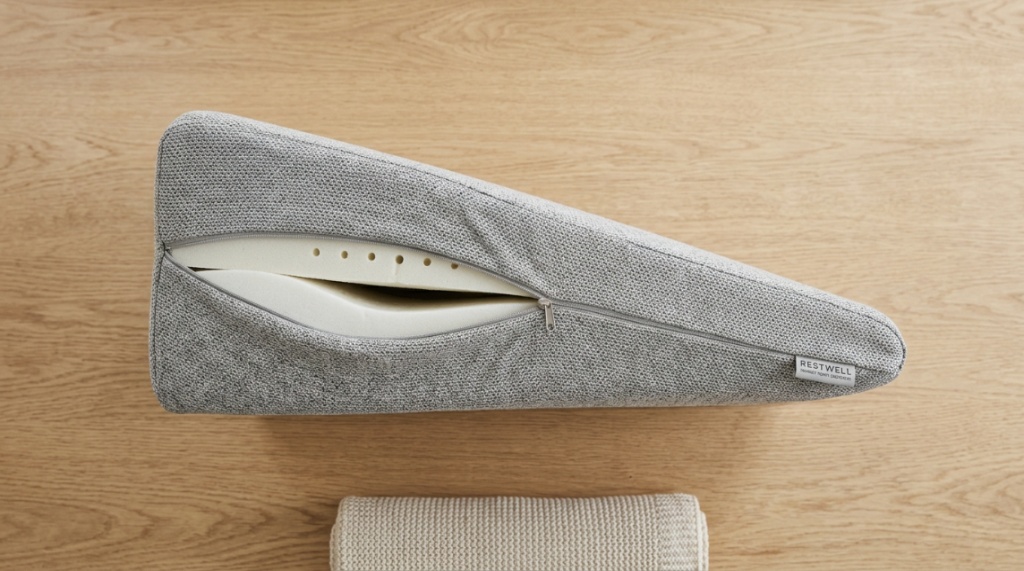
Memory foam is the gold standard for contouring. It adapts to your body heat and shape, offering superior pressure relief. However, it can be pricier. Polyurethane foam is firmer and more supportive but lacks the contouring feel. For neck pain, choose a pillow with a high-density memory foam core (at least 3.5 lbs per cubic foot). If that costs too much, look for a hybrid—a polyurethane base with a 2-inch memory foam topper glued to the surface.
Decoding Density: How Firm Should It Be?
You want the foam to be firm enough to hold its shape when your head presses down, but soft enough to yield slightly. If the wedge feels like a brick, it will push your head forward. If it feels like a squishy marshmallow, it will collapse. A density of 3–5 lbs/ft³ is ideal. You can test this in a store by pressing your hand into the foam; it should spring back slowly but not have a delay of more than 3 seconds.
Essential Features: Covers, Zippers, and Inclines
- Removable Cover: Always choose a wedge with a zippered, washable cover. Sweat and drool degrade foam quickly.
- Incline Height: For neck pain, a low-profile wedge (4–6 inches) is often better than a high one (8–12 inches) which is designed for GERD.
- Base Grip: Check the bottom. If it has a non-slip grip or a textured fabric, it won’t slide off your bed during the night.
Finding the Perfect Height and Incline Angle
There is no one-size-fits-all incline. Your anatomy dictates the correct height. A taller person needs a higher wedge to achieve the same angle as a petite person. The goal is to have your ear, shoulder, and hip aligned. When you lie on the wedge, your chin should be slightly tucked, not pointing at the ceiling or digging into your chest.
Measuring Your Sleeping Profile
To find your ideal height, lie flat on your back on a firm surface. Measure the distance from the base of your skull to the top of your shoulder. Add 1–2 inches to that measurement. That is the total height your wedge should be. Many budget wedges are 7 inches tall, which works for average builds,hile wedge pillows excel at elevating your upper body, if you primarily need versatile support for sitting up in bed, you might also consider an Orthopedic Reading Pillow for Back Pain Relief to alleviate lower back strain.
Low vs. High Profile: What’s the Difference?
- Low Profile (4–6 inches): Ideal for side sleepers and those with mild neck stiffness. It keeps the spine straight without excessive elevation.
- Medium Profile (7–9 inches): The most versatile. Suitable for back and side sleepers, offering a moderate incline.
- High Profile (10+ inches): Usually reserved for acid reflux; avoid these for neck pain unless you are very tall.
Adjustability and Ramp-Up Time
If you are unsure about the height, consider a variable loft wedge. Some budget options include a small bolster or an extra top layer that you can remove to adjust the height. This is a great way to “test drive” angles without buying multiple pillows. Ideally, you want a wedge where the drop-off from the top to the bottom is gradual, not a steep cliff, to prevent your head from feeling like it’s being forced backward.
Can a Wedge Pillow Help With Sleep Apnea and Snoring?
Absolutely. Neck pain and sleep breathing issues are often intertwined. When your neck is bent forward, it narrows the pharyngeal airway, exacerbating snoring and sleep apnea events. Elevating your upper body with a wedge prevents the tongue and soft palate from collapsing backward, which mechanically reduces airway obstruction.
The Entanglement of Neck Pain and Sleep Breathing
Poor breathing during sleep causes fragmented sleep and muscle fatigue. If you are waking up gasping or snoring loudly, your neck muscles are working overtime to open your airway while you sleep. This can lead to chronic morning neck pain. Using a wedge to elevate your head and torso by 20–30 degrees has been shown in clinical studies to reduce the Apnea-Hypopnea Index (AHI) in some patients with positional sleep apnea.
Positional Therapy: A Real Game Changer
Wedge pillows are a common tool for positional therapy. By creating an incline, you are less likely to roll onto your back, which is the worst position for obstructive sleep apnea. You are also less likely to curl into a ball, which can lock up the facet joints in your neck. This dual benefit makes an affordable wedge a low-risk, high-reward investment for sleep health.
What Are the Other Health Benefits of Sleeping Elevated?
While your primary goal might be neck pain, a wedge pillow offers a “bio-hack” for your overall recovery. Sleeping at an incline facilitates venous return from the lower extremities, reduces intraocular pressure, and helps with digestion. For individuals who suffer from post-nasal drip, the elevation allows mucus to drain, which prevents the throat inflammation that often contributes to neck stiffness.
Reducing Snoring for Restful Sleep
Even if you don’t have diagnosed sleep apnea, snoring vibrates the soft tissues in your throat, causing micro-trauma to the surrounding muscles. This can radiate pain up into the neck. A wedge decreases this vibration by opening the airway, leading to quieter sleep and less tissue fatigue.
Alleviating Headaches and Migraines
Many tension headaches originate from the suboccipital muscles at the base of the skull. When you sleep on a flat, thin pillow, these muscles are stretched overnight. The stretch creates a constant, low-level contraction. The incline of a wedge relaxes the suboccipital muscles, reducing the morning headache frequency.
Improving Digestion and Acid Reflux
While not the primary purpose, the incline you need for neck pain is the same incline that keeps stomach acid in your stomach. This prevents acid from migrating up the esophagus and causing referred pain in the neck and shoulders. It’s a win-win for overall wellbeing.
How to Adjust to Sleeping on a Wedge Pillow
Switching to a wedge pillow is a drastic change for your body. The first night might feel strange, as you are used to a flat surface. It is normal to feel like you are “sliding down” or that your lower back is arching. You need to properly integrate the wedge into your sleep setup over a few days.
Step-by-Step Transition Plan
- Start with a small incline: If you have a variable wedge, use the lowest setting for the first two nights.
- Use a knee pillow: Place a standard pillow under your knees. This flexes your hips slightly, which prevents your lower back from over-arching and pulling on your neck.
- Gradual Increase: After night 3, increase the height to the desired level.
- Sleep hygiene: Use a silk or high-quality cotton pillowcase to reduce friction and allow your head to glide naturally.
Managing the “Sliding” Feeling
If you feel like you are slipping, do not use a steeper wedge. Instead, place a rolled towel or a small non-slip mat under your hips. This creates a “tuck” that anchors your pelvis. Alternatively, you can place the wedge against the headboard with a flat pillow at the very top to prevent your head from touching the hard wall of the wedge.
How to Pair Wedge Pillows with Regular Pillows
Don’t combine a thick, fluffy regular pillow with a wedge. That will pitch your head forward. Instead, use a very thin, flat pillow (like a travel pillow) on top of the wedge just for the head. Or, use a small cervical roll placed in the curve of your neck. This provides support to the natural lordotic curve of your cervical spine without adding unwanted height.
Which Materials Offer the Best Value Under $50?
Getting a high-quality memory foam wedge under $50 is challenging but possible if you know where to look. Usually, these use a solid polyurethane core wrapped in a 1-2 inch memory foam layer. You should avoid “shredded foam” fills at this price point because they compress too easily.
Solid Foam vs. Shredded Fill: The Longevity Factor
Solid foam wedges last longer. Shredded foam wedges are often cheaper because they use factory offcuts. However, shredded foam does not provide the rigid, stable support your neck needs. It moves and shifts, creating unstable support. For neck pain, solid foam is non-negotiable.
Certified Foam Safety Guidelines
Always check for CertiPUR-US certification. This certification ensures the foam is free from heavy metals, phthalates, and formaldehyde. Low-cost pillows sometimes cut corners here, resulting in a strong chemical smell (off-gassing). A certified pillow will have a mild to no smell and will be safer for your respiratory health.
Cleaning and Maintenance Tips for Longevity
- Air it out: When you first unbox, leave it in a ventilated room for 24–48 hours to let the foam expand.
- Spot clean only: Never submerge a foam wedge in water. Use a damp cloth and mild soap.
- Sunlight: Periodically place the wedge in indirect sunlight to kill dust mites and reduce moisture buildup.
Are Adjustable Wedge Pillows Better Than Fixed Wedges?
If you suffer from neck pain, an adjustable wedge offers a distinct advantage because you can modify the angle as your condition improves or flares up. However, “adjustable” does not always mean “better.” Some adjustable wedges use multiple foam layers that slide past each other, creating a gap that can be uncomfortable.
Pros and Cons of Multi-Layer Systems
Multi-layer systems typically include a base wedge and a top incline piece. The pro is that you can create a “step” or a gradual slope. The con is that the layers can separate during the night. Look for a design with a zipper that encloses the layers together tightly, locking them into place. For more detailed comparisons of specific models, you can check out detailed guides on affordable wedge pillows neck pain which break down the best budget options with adjustable features.
Locking Mechanisms and Stability
A good adjustable wedge will have a locking mechanism or a high-friction interface between layers. If the top piece slides off when you roll over, it is useless. Test the stability by pushing the top layer sideways; it should not move more than half an inch.
Are They Worth the Price Difference?
Adjustable wedges are usually $10–$20 more expensive than fixed ones. If you are a side sleeper who switches sides frequently, the adjustability allows you to match the shoulder-to-neck difference. If you are a strict back sleeper, a fixed wedge is often sufficient and more durable, as there are fewer moving parts.
When Should You Replace Your Wedge Pillow?
Foam degrades over time, and a loss of resiliency translates directly to a return of neck pain. You should not wait for the pillow to visibly sag. You should replace your wedge pillow when it no longer maintains its support height or develops permanent indentations.
Signs of Foam Breakdown
- Visual cracks: Look at the surface; if you see small cracks when you stretch the cover, the foam is breaking down.
- Loss of bounce: Press your palm into the center; if it leaves a dent that stays for more than 5 seconds, it’s worn out.
- Increased pain: If your neck stiffness returns with the same pillow you’ve had for years, the pillow is the culprit.
The Lifespan of Budget Foam vs. Premium Foam
Budget foam usually lasts 1–2 years. Premium foam can last 3–5 years. To extend the life of a budget wedge, always use a protector pad. This prevents oils from your skin from degrading the foam.
Recycling and Disposal Options
Foam is recyclable. Check with local recycling centers, as many accept clean foam. Alternatively, use it as a dog bed or a prop for your legs while resting. Do not send it to a landfill if you can avoid it.
Frequently Asked Questions
Will a wedge pillow help with cervical spondylosis?
Yes, often. By reducing the load on the cervical discs and preventing forward head posture during sleep, a wedge can reduce the inflammation associated with this wear-and-tear condition. Always consult your doctor for a personalized plan.
Should I use a wedge pillow for neck pain if I sleep on my stomach?
No. Stomach sleeping combined with a wedge puts extreme rotation and extension on the neck. It is strictly advised. If you are a stomach sleeper, you need a very thin, flat pillow or no pillow at all.
What is the ideal incline for neck pain relief?
An incline of about 15–25 degrees is typically ideal. You want your head elevated 4–8 inches higher than your heart. Ensure you can still breathe comfortably without your chin compressing.
Can a wedge pillow make my neck pain worse?
If it’s too high, yes. Over-elevation causes your neck to flex forward, mimicking the “text neck” posture. Start low and gradually increase. If the pain increases, return to flat sleeping and consult a physical therapist.
How long does it take to adjust to a wedge pillow?
Most people adapt within 3–5 nights. However, complex pain conditions can take up to two weeks. Be patient and use a knee pillow to ease the adjustment period.
Are more expensive wedge pillows always better?
Not necessarily. Price often reflects brand marketing and luxury covers, not just foam quality. A mid-priced, firm wedge with a functional cover can outlast a cheap, soft luxury brand. Focus on foam density over the label.
Conclusion
Choosing an affordable wedge pillow for neck pain is a strategic decision that impacts your recovery and sleep quality. The right pillow is not the tallest or the cheapest but the one that places your cervical spine in a neutral, supported position. Remember the key pillars: high-density foam, a moderate incline, and a washable cover. While you might be tempted to grab the first low-cost option, taking the time to measure your required height and understanding the density of the foam will guarantee you a pain-free morning. Don’t let neck pain dictate your mornings. Invest in a wedge that meets your anatomical needs and give your body the rest it deserves. If you are ready to sleep better tonight, start by focusing on the adjustability and support features we have discussed.
Sleep is the foundation of health. If you’ve been suffering from chronic neck stiffness, use this guide to make an informed purchase. Quality sleep is not a luxury; it is a necessity, and the right wedge pillow is a vital tool to achieve it.