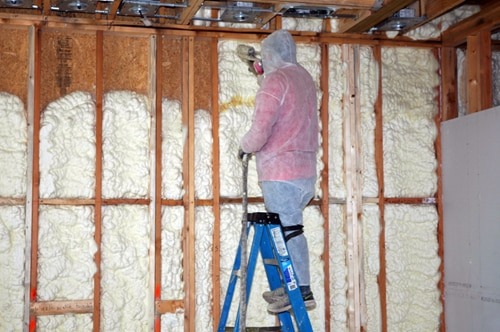
Your home leaks energy like a sieve. Spray foam insulation stops that. It seals gaps, boosts comfort, and cuts energy bills. Homeowners spend 50–70% of energy costs on heating and cooling, says the U.S. Department of Energy. Poor insulation wastes money. Spray foam insulation tackles this problem head-on. It creates an air barrier, reduces energy consumption, and enhances thermal performance. Curious about how it works? Let’s break down the advantages of spray foam insulation and why it’s a game-changer for energy efficiency.
What Is Spray Foam Insulation?
Spray foam insulation is a liquid that expands into a solid foam. It fills cracks, gaps, and cavities in walls, attics, and crawl spaces. Unlike fiberglass insulation or cellulose insulation, it forms a seamless thermal barrier. It comes in two types: open-cell spray foam and closed-cell spray foam. Each offers unique benefits for energy efficiency and moisture control. This insulation seals air leaks, prevents thermal shorts, and improves structural strength. It’s a versatile solution for homeowners seeking energy savings.
How Spray Foam Boosts Energy Efficiency
Energy efficiency saves money and keeps homes comfortable. Spray foam insulation excels here. It creates a tight air barrier, stopping drafts and heat loss. According to the U.S. Environmental Protection Agency, air leaks account for 25–40% of energy loss in homes. Spray foam tackles this directly.
- Seals Air Leaks: Spray foam expands to fill tiny gaps where air escapes.
- Improves Thermal Resistance: Its high R-value blocks heat transfer.
- Reduces Energy Bills: Less energy waste means lower costs.
By minimizing energy consumption, spray foam helps homeowners save year-round.
Open-Cell vs. Closed-Cell Spray Foam: What’s the Difference?
Choosing the right spray foam matters. Open-cell and closed-cell foams serve different needs.
Open-Cell Spray Foam
- Lightweight and flexible.
- Lower R-value (around 3.5 per inch).
- Allows some moisture vapor to pass, aiding moisture control.
- Ideal for interior walls and attics.
- Costs less than closed-cell foam.
Closed-Cell Spray Foam
- Dense and rigid, adding structural strength.
- Higher R-value (around 6–7 per inch).
- Acts as a moisture barrier, resisting mold and mildew.
- Perfect for exterior walls and basements.
- Slightly more expensive but durable.
Both types improve energy efficiency, but closed-cell foam offers superior thermal resistance and moisture resistance.
Key Benefits of Spray Foam Insulation
Spray foam insulation stands out among insulation materials. Here’s why:
- Superior Air Sealing: Unlike fiberglass insulation, spray foam fills every crack, eliminating air leaks.
- High Thermal Performance: Its R-value ensures excellent heat retention.
- Moisture Resistance: Closed-cell foam prevents mold and mildew growth.
- Energy Savings: Homeowners report 20–50% reductions in energy costs.
- Long-Lasting: Spray foam lasts decades without settling or degrading.
- Eco-Friendly: It supports Energy Star Houses by lowering energy consumption.
These benefits make spray foam a top choice for energy-conscious homeowners.
Spray Foam vs. Other Insulation Types
How does spray foam compare to fiberglass insulation or cellulose insulation? Let’s look:
- Fiberglass Insulation:
-
- Affordable but less effective at sealing air leaks.
- Lower R-value than spray foam.
- Prone to settling, reducing thermal performance over time.
- Cellulose Insulation:
-
- Made from recycled paper, eco-friendly.
- Better at filling gaps than fiberglass but not as airtight as spray foam.
- Can absorb moisture, risking mold growth.
- Spray Foam Insulation:
-
- Seamless application, no gaps or thermal shorts.
- Higher upfront cost but greater energy savings.
- Superior moisture control and durability.
Spray foam outperforms traditional options for energy efficiency.
How Spray Foam Saves on Energy Bills
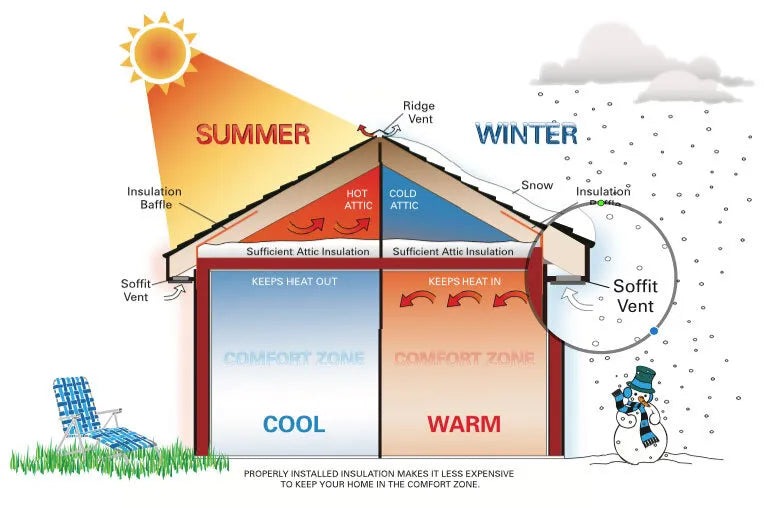
Energy bills drain wallets. Spray foam insulation cuts costs by sealing air leaks and improving thermal resistance. A study by the National Institute of Standards and Technology found homes with spray foam saved 30% on heating and cooling costs. It acts as a thermal blanket, keeping indoor temperatures stable. This reduces the strain on HVAC systems, lowering energy consumption. Homeowners notice savings within months. For example, a Louisville family working with Koala Insulation of Louisville saved $600 annually after installing closed-cell foam.
Moisture Control and Mold Prevention
Moisture wreaks havoc in homes. It causes mold, mildew, and structural damage. Spray foam insulation, especially closed-cell foam, acts as a moisture barrier. It prevents water infiltration in basements and crawl spaces. Open-cell foam allows some vapor to pass, reducing condensation in attics. Both types resist mold and mildew growth, unlike fiberglass insulation. This protects your home’s air quality and longevity, saving on costly repairs.
Enhancing Structural Strength
Closed-cell spray foam adds more than energy efficiency. Its dense structure strengthens walls and roofs. It bonds tightly to surfaces, creating a rigid layer. This helps homes withstand storms and high winds. Builders using closed-cell foam report fewer structural issues over time. While open-cell foam doesn’t offer the same strength, it still improves stability compared to traditional insulation materials.
Is Spray Foam Insulation Worth the Cost?
Spray foam insulation costs more upfront than fiberglass or cellulose. Installation ranges from $1.50 to $4 per square foot, depending on the type and region. However, the return on investment is strong. Energy savings of 20–50% pay back the cost within 3–5 years. Plus, spray foam lasts longer, avoiding replacement costs. Hiring a trusted insulation contractor, like MAG Insulation, ensures proper installation for maximum efficiency.
Environmental Impact of Spray Foam
Spray foam supports eco-friendly homes. It reduces energy consumption, lowering your carbon footprint. Energy Star Houses often use spray foam for its efficiency. While production involves chemicals, modern formulas are safer and greener. By cutting energy bills, spray foam aligns with sustainable living. Pair it with other energy-efficient upgrades, like LED lighting, for even greater impact.
Practical Tips for Choosing Spray Foam Insulation
Ready to upgrade your insulation? Follow these steps:
- Assess Your Needs: Decide if open-cell or closed-cell foam suits your home.
- Hire a Professional: Work with a certified insulation contractor for quality results.
- Check Local Codes: Ensure compliance with building regulations.
- Compare Costs: Get quotes from multiple contractors, like Koala Insulation of Louisville.
- Plan for Ventilation: Proper airflow prevents moisture buildup.
These steps ensure you maximize energy efficiency and comfort.
Real-Life Example: A Homeowner’s Success Story
Meet Sarah, a homeowner in Ohio. Her old fiberglass insulation left her home drafty. Energy bills soared to $300 monthly. She hired an insulation contractor to install closed-cell spray foam in her attic and walls. The results? Her bills dropped to $180 a month, saving $1,440 yearly. Her home stayed cooler in summer and warmer in winter. Sarah’s story shows how spray foam transforms homes and budgets.
Conclusion: Take Control of Your Energy Bills
Spray foam insulation delivers unmatched energy efficiency. It seals air leaks, boosts thermal performance, and cuts energy costs. Whether you choose open-cell or closed-cell foam, the benefits are clear: lower bills, better comfort, and a stronger home. Don’t let energy waste drain your wallet. Contact a trusted insulation contractor today to explore spray foam options. Start saving on energy bills and enjoy a cozier home.
FAQs
What is the R-value of spray foam insulation?
Open-cell foam has an R-value of about 3.5 per inch. Closed-cell foam offers 6–7 per inch, providing superior thermal resistance.
Does spray foam insulation prevent mold?
Yes, closed-cell foam acts as a moisture barrier, resisting mold and mildew. Open-cell foam helps with moisture control in less humid areas.
Is spray foam insulation safe for homes?
Modern spray foam is safe when installed by professionals. Proper ventilation during installation ensures air quality remains high.
How long does spray foam insulation last?
Spray foam lasts decades without settling or degrading, offering long-term energy savings and thermal performance.
Can I install spray foam insulation myself?
No. Spray foam requires specialized equipment and expertise. Hire a certified insulation contractor for safe, effective results.
Read More Also: Modular Home Design for Extreme Cold Canada
References
- U.S. Department of Energy: https://www.energy.gov/energysaver/insulation
- U.S. Environmental Protection Agency: https://www.epa.gov/energy/energy-efficiency
- National Institute of Standards and Technology: https://www.nist.gov/publications/energy-efficiency-insulation
- Energy Star: https://www.energystar.gov/about